Emergency Fund 101: How Much Do You Really Need?
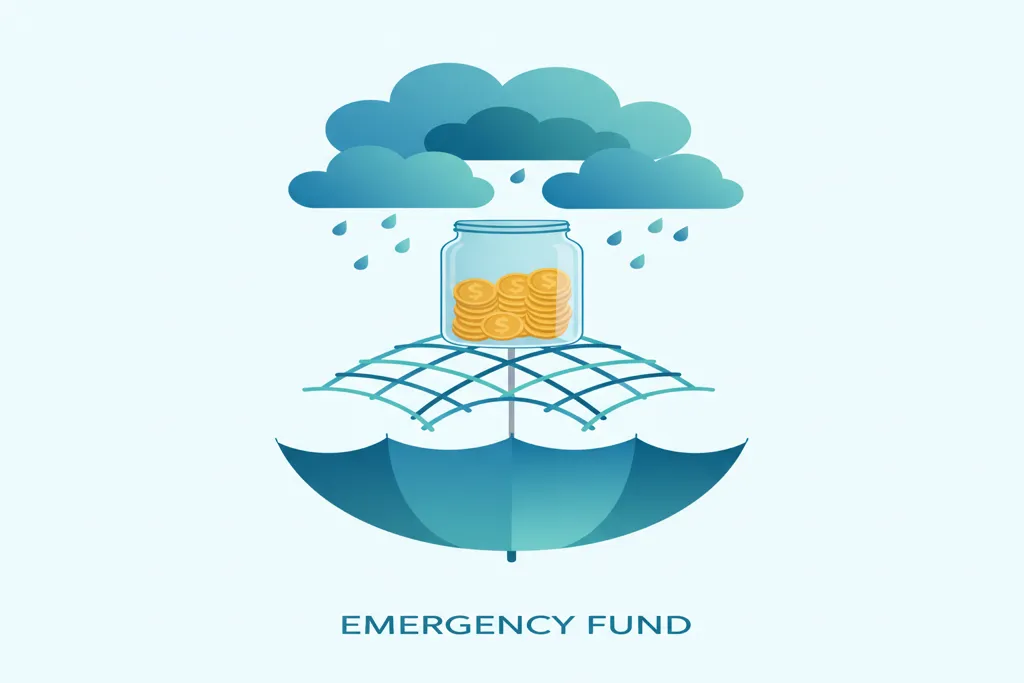
The car breaks down. You get laid off. A medical bill arrives. These aren’t hypotheticals—they’re inevitabilities. The only question is whether you’ll face them with a safety net or with a credit card you can’t pay off.
An emergency fund is the single most important thing you can do for your financial health. Not investing. Not paying extra on debt. Not optimizing your budget. A funded emergency account is the foundation everything else builds on.
Let’s figure out how much you need and how to actually build it.
What an Emergency Fund Actually Is
An emergency fund is cash set aside for true emergencies—unexpected, necessary, urgent situations that require immediate money.
| Situation | Emergency? | Why |
|---|---|---|
| Job loss or sudden income reduction | ✓ | Unexpected, necessary to cover basics |
| Major car repairs for work | ✓ | Essential transportation |
| Medical emergencies | ✓ | Health is urgent and necessary |
| Critical home repairs (furnace, roof) | ✓ | Safety and shelter are essential |
| Emergency family travel | ✓ | Urgent family crisis |
| A great sale | ✗ | Not urgent or necessary |
| Vacation deals | ✗ | Leisure, not necessity |
| New phone (current one works) | ✗ | Want, not need |
| ”Treating yourself” | ✗ | Emotional, not practical |
| Holidays and birthdays | ✗ | Predictable, not unexpected |
The distinction matters. An emergency fund works because it’s not touched except for actual emergencies. Blur that line, and it becomes just another savings account you drain.
How Much Emergency Fund Do You Need?
The classic advice: 3-6 months of essential expenses.
Not 3-6 months of income—essential expenses. These are different amounts.
| Essential (Include) | Non-Essential (Exclude) |
|---|---|
| Rent/mortgage | Dining out |
| Utilities (electric, water, internet) | Entertainment subscriptions |
| Groceries (basic, not gourmet) | Shopping |
| Transportation (car, insurance, gas) | Gym membership |
| Insurance premiums | Vacations |
| Minimum debt payments | Upgrades and luxuries |
| Childcare (if needed to work) | |
| Essential medications |
Calculate your monthly essential expenses. Multiply by 3-6. That’s your emergency fund target.
Example Calculation
Monthly essentials:
- Rent: $1,500
- Utilities: $200
- Groceries: $400
- Car + Insurance: $350
- Health Insurance: $250
- Minimum debt payments: $200
- Total: $2,900/month
Emergency fund targets:
- 3 months: $8,700
- 6 months: $17,400
Calculate Your Timeline
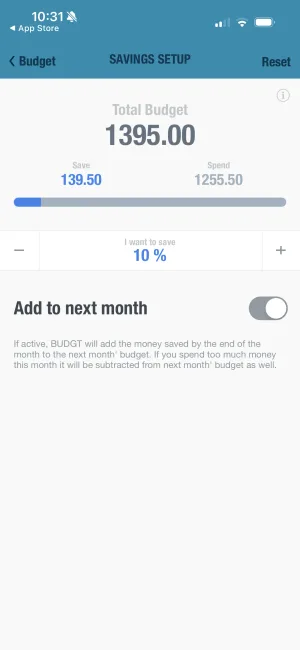
See how long it takes to build your emergency fund based on your expenses and savings rate:
At $200/month, you'll reach a full 6-month emergency fund in 87 months.
Should You Aim for 3 or 6 Months?
The right number depends on your situation.
| Your Situation | Recommendation |
|---|---|
| Stable employment with low layoff risk | 3 months |
| Dual income household | 3 months |
| Additional safety nets (family, severance) | 3 months |
| Young with low expenses, high mobility | 3 months |
| High-interest debt to attack first | 3 months (starter) |
| Single income household | 6+ months |
| Variable income (freelance, commission) | 6+ months |
| Work in unstable industry | 6+ months |
| Have dependents (kids, aging parents) | 6+ months |
| Health conditions requiring ongoing treatment | 6+ months |
| Limited alternative income options | 6+ months |
| Own a home (more things can break) | 6+ months |
When in doubt, start with 3 months and build to 6. Some emergency fund beats no emergency fund.
Building Your First $1,000
If 3-6 months feels overwhelming, start with $1,000. This is your “starter” emergency fund—enough to handle common minor emergencies without reaching for a credit card.
Why $1,000 matters:
- Covers most car repairs
- Handles medical copays and smaller bills
- Replaces essential appliances
- Prevents small emergencies from becoming credit card debt
How to get there:
-
Sell stuff. That exercise bike you don’t use. Old electronics. Clothes you never wear. $50 here, $100 there adds up.
-
Find budget leaks. Subscriptions you forgot about. Dining out that could be cut back. Small changes can redirect $100+/month.
-
Automate tiny amounts. Even $20/week ($80/month) gets you to $1,000 in under a year. Make it automatic so you can’t forget.
-
Capture windfalls. Tax refund? Birthday money? Work bonus? Into the emergency fund, at least partially.
-
Pick up extra income. One freelance project, a few hours of overtime, selling a skill—extra income goes straight to the fund.
$1,000 might take 6 months. It might take a year. The timeline matters less than the destination. Keep going.
Where to Keep Your Emergency Fund
Your emergency fund needs to be:
- Accessible: You need it within 1-3 days max
- Safe: Can’t lose value (no stocks)
- Separate: Not mixed with everyday spending money
- Slightly inconvenient: Hard enough to access that you won’t raid it casually
Best option: High-yield savings account
Online banks offer rates of 4-5% (varies with economic conditions) versus 0.01% at traditional banks. Your money grows slightly while staying safe and accessible.
Open a separate account just for emergencies. Don’t attach a debit card. Make withdrawals require a conscious transfer and waiting period.
Acceptable alternatives:
- Money market accounts
- No-penalty CDs (if you want to lock in a rate)
- Treasury bills (for very large funds)
Bad places for emergency funds:
- Checking account (too accessible, will get spent)
- Under the mattress (no growth, not safe)
- Stock market (can lose value when you need it most)
- Retirement accounts (penalties for early withdrawal)
Emergency Fund vs. Debt: Which First?
This is one of the most common financial questions, and the answer is: both, strategically.
Phase 1: Starter Emergency Fund ($500-$1,000) Before attacking debt aggressively, build a small buffer. Otherwise, every small emergency adds to your debt. You’re trying to fill a bucket with a hole in it.
Phase 2: Attack High-Interest Debt Once you have a starter fund, throw everything at debt above 7-8% interest. Credit cards, personal loans, anything charging high rates. The math here is clear—paying off 20% debt is like earning a guaranteed 20% return.
Phase 3: Full Emergency Fund With high-interest debt gone, build to 3-6 months. You might still have a mortgage or student loans, but those lower rates make the emergency fund a better priority.
Phase 4: Invest the Difference Once you have a full emergency fund and no high-interest debt, you’re free to invest for growth. This is where wealth building really begins.
What to Do When You Use Your Emergency Fund
Using your emergency fund isn’t failure—it’s exactly what it’s for. The car needed repair, you had the money, crisis handled. Success.
But now you have a new priority: rebuilding immediately.
- Stop all non-essential spending until the fund is replenished
- Increase your savings rate temporarily
- Consider extra income to speed recovery
- Track the rebuild like paying off debt—it’s that important
The psychological danger is thinking “I already dipped in once, might as well use it for other things.” Resist this. Every dollar you take makes the next emergency harder.
Common Emergency Fund Mistakes
Mistake 1: Keeping It Too Accessible
If it’s in your checking account or a savings account you regularly transfer from, you’ll spend it. Separate it. Make accessing it require deliberate action.
Mistake 2: Not Defining “Emergency”
Write down what counts as an emergency for you. When the “emergency” presents itself, you’ll know if it qualifies. Impulse decisions made under pressure often regret.
Mistake 3: Stopping Once It’s Funded
Life changes. Expenses increase. Review your emergency fund annually and adjust the target. What was 6 months might now be 4 months after rent increased.
Mistake 4: Feeling Guilty Using It
You built this fund for emergencies. When emergencies happen, use it. That’s not failure—that’s financial planning working perfectly.
Mistake 5: Investing It for “Better Returns”
Emergency funds aren’t for growth. They’re for security. That 4% return means nothing if your fund is down 20% when you get laid off. Keep it safe and boring.
The Emergency Fund Mindset
An emergency fund isn’t just money. It’s options.
With an emergency fund, losing your job is a problem to solve, not a catastrophe. Car repairs are annoying, not devastating. You negotiate from strength because you’re not desperate.
Without an emergency fund, you’re one bad month away from debt spirals, payday loans, and desperation decisions. Every unexpected expense becomes a crisis. Stress compounds.
Building an emergency fund is the most purely defensive financial move you can make. It doesn’t grow your wealth. It protects everything else.
Your Action Steps This Week
-
Calculate your essential monthly expenses. Be realistic and thorough. This number determines your target.
-
Multiply by 3-6 based on your situation. Single income? Variable income? Aim higher. Stable dual income? Three months might suffice.
-
Open a separate high-yield savings account. Research options, open the account, make it your dedicated emergency fund.
-
Set up automatic transfers. Even small amounts matter. $25/week. $100/paycheck. Whatever you can manage, automate it.
-
Define your emergencies in writing. What counts? What doesn’t? Having clear criteria prevents emotional decisions.
The Bottom Line
An emergency fund covers 3-6 months of essential expenses, held in a safe, accessible account separate from your everyday money.
Start with $1,000 to prevent minor emergencies from becoming debt. Build to 3-6 months over time. Keep it funded, replenish it when used, and adjust it as life changes.
This isn’t exciting financial advice. There’s no get-rich-quick here. But an emergency fund is the foundation that makes everything else possible.
Build it first. Build it consistently. Build it until emergencies become inconveniences rather than catastrophes.
That’s what financial security actually feels like.
Frequently Asked Questions
How much should I have in my emergency fund?
The standard advice is 3-6 months of essential expenses. That means 3-6 months of rent, utilities, groceries, insurance, and minimum debt payments—not 3-6 months of your full income. Single-income households, those with variable income, or those with less job security should aim for 6+ months.
What counts as an emergency?
True emergencies are unexpected, necessary, and urgent. Job loss, major car repairs needed to get to work, medical emergencies, essential home repairs (broken furnace, not a kitchen remodel). Sales and vacations are not emergencies. Neither is a new phone because yours is 'old.'
Where should I keep my emergency fund?
A high-yield savings account is ideal—accessible within 1-2 days, earns some interest, but not so accessible that you're tempted to use it casually. Don't invest it in stocks; you don't want to sell at a loss during an emergency.
Should I save an emergency fund or pay off debt first?
Start with a small emergency fund ($500-$1,000) to handle minor emergencies without adding to debt. Then aggressively attack high-interest debt. Once high-interest debt is cleared, build to the full 3-6 month emergency fund. This balanced approach prevents the debt spiral.
Is $1,000 enough for an emergency fund?
$1,000 is a starter emergency fund, not a complete one. It handles minor emergencies (car repairs, medical copays, appliance replacement) but won't survive job loss. Think of $1,000 as phase one, with 3-6 months as the ultimate goal.
How do I build an emergency fund when I'm living paycheck to paycheck?
Start impossibly small—$10 per paycheck, $25 from a birthday gift, $50 from selling something you don't use. Automate transfers so saving happens before spending. Use windfalls (tax refunds, bonuses) for bigger jumps. It takes time, but small amounts compound into security.
Should I use my emergency fund for a once-in-a-lifetime opportunity?
No. Opportunities aren't emergencies. Your emergency fund exists only for unexpected necessities. If an opportunity arises, save separately for it or find other funding. Draining your emergency fund leaves you vulnerable to actual emergencies.
Related Articles



Ready to take control of your budget?
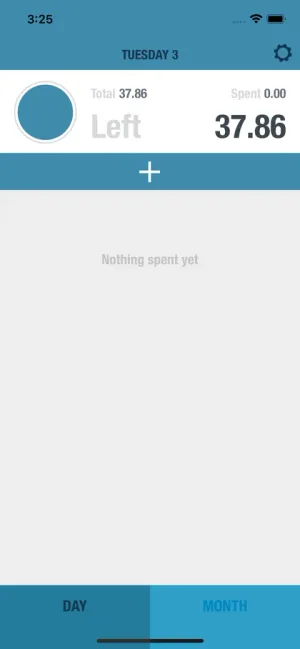
Download BUDGT and start tracking your daily spending today.