Budgeting with Irregular Income
Create stability when your paycheck isn't predictable.
Whether you're a server, salesperson, contractor, or seasonal worker, irregular income requires a different budgeting approach. This guide helps you smooth out the ups and downs.
Budget Priorities for Irregular Income
Buffer Fund
2-3 months of baseline expenses in checking
Baseline Expenses
Know your absolute minimum monthly needs
Variable Spending Cap
Limit lifestyle spending to prevent overspending
Emergency Fund
Separate from buffer, for true emergencies only
Calculate Your Daily Budget
Enter your income and expenses to find your daily spending limit. We recommend saving at least 20% for your situation.
Income
$0Fixed Expenses
-$0Savings Goal
$0/monthHow much of your remaining income do you want to save?
10% of remaining income
Monthly Budget
Your Daily Budget
That's $0 ÷ 31 days = $0.00/day
Money Tips for Irregular Income
Base your budget on your lowest expected monthly income
Calculate your "baseline" — minimum needed to survive each month
In good months, fund your buffer account before lifestyle spending
Maintain a 2-3 month buffer in checking for expense smoothing
Prioritize bills by due date and consequence of late payment
Automate savings transfers on payday (before you spend)
Track income by source to identify your most reliable streams
Review and adjust your baseline budget quarterly
Common Challenges
- Never knowing exactly what next month's income will be
- Temptation to spend more in high-income months
- Difficulty planning for large expenses or goals
- Stress and anxiety around money unpredictability
- Maintaining discipline during both high and low periods
Frequently Asked Questions
How do I create a budget as a irregular income?
Start by listing all income sources, then categorize expenses into needs and wants. For irregular income, prioritize essentials buffer, debt payments, savings. Use the calculator above to find your daily spending limit after essential expenses.
What percentage should I save?
For irregular income, a savings rate of 20% is recommended. Adjust based on your specific circumstances — even small amounts help build financial security over time.
Does this calculator need to connect to my bank?
No. This calculator is 100% private — no bank connection, no account creation, no data collection. Everything stays in your browser and is never sent anywhere.
Helpful Budgeting Articles
Why Most Budgets Fail (And the Simple Fix)
Most budgets fail not because people lack willpower, but because the budgeting method itself is flawed. Learn the psychological reasons budgets break down and the surprisingly simple approach that actually sticks.
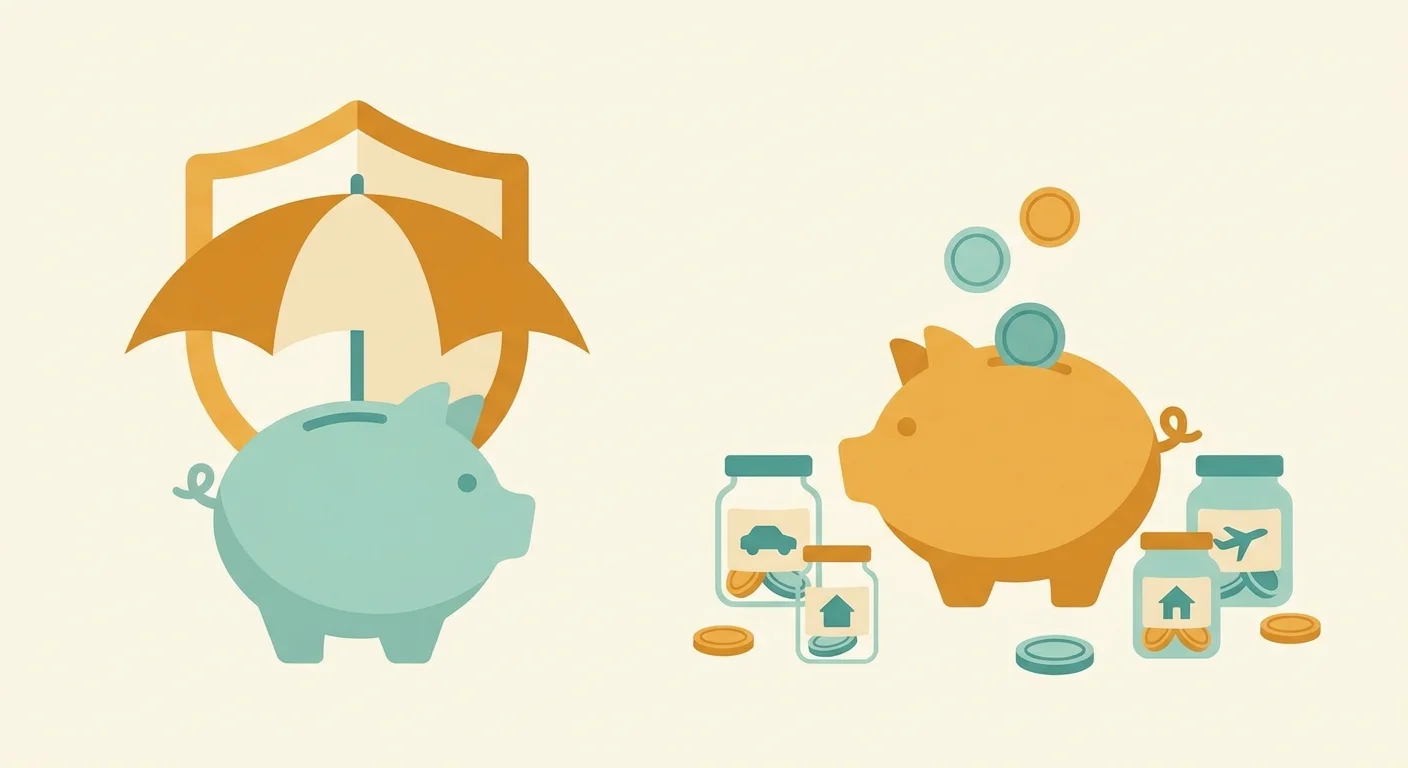
Emergency Fund vs Sinking Fund: Which Do You Need?
Emergency funds and sinking funds serve different purposes but work together to protect your finances. Learn the difference, how much to save in each, and how to build both without overwhelming your budget.

Budgeting for Irregular Income: A Freelancer's Guide
Learn how to budget when your income changes every month. This freelancer's guide covers the baseline budget method, buffer accounts, tax planning, and daily budgeting strategies for variable income.
Track Your Budget Anywhere
Download BUDGT to manage your daily spending on the go — even offline.