Sinking Funds Explained: How to Save for Big & Irregular Expenses

December arrives. The holiday gift budget hits. Your car insurance renews. The annual Amazon Prime charge appears. Your property taxes are due.
Suddenly, a month that should be festive becomes financially devastating.
Sinking funds prevent this. They transform large, irregular expenses into small, manageable monthly savings — so you’re never caught off guard.
What Is a Sinking Fund?
A sinking fund is money saved gradually for a known future expense.
Instead of this:
- December: “$800 in holiday gifts?! Where does this come from?!”
You get this:
- January-November: Save $73/month
- December: Spend $800 from your holiday sinking fund. No stress.
The expense doesn’t change. Your preparation does.
$800 Holiday Spending: Two Approaches
Common Sinking Fund Categories
Everyone’s sinking funds will differ, but these categories trip up most budgets:
Transportation
- Car insurance (annual or semi-annual)
- Registration and taxes
- Maintenance (oil changes, tires, brakes)
- Repairs fund
Home
- Property taxes (if not escrowed)
- Home insurance
- Repairs and maintenance
- Appliance replacement
Annual Subscriptions
- Amazon Prime
- Software subscriptions
- Membership renewals
- Domain names
Medical/Dental
- Annual physicals and checkups
- Dental cleanings
- Vision exams and glasses
- Deductibles and copays
Holidays and Gifts
- Christmas/holiday gifts
- Birthday gifts throughout the year
- Anniversary and special occasions
Personal
- Clothing replacement
- Haircuts and grooming
- Vacation savings
Calculating Your Sinking Funds
Sinking Fund Calculator
Enter your numbers above - results update automatically
Example: Full Sinking Fund Budget
| Category | Annual Cost | Monthly Savings |
|---|---|---|
| Car insurance | $1,200 | $100 |
| Car maintenance | $600 | $50 |
| Holiday gifts | $800 | $67 |
| Birthdays | $360 | $30 |
| Medical copays | $480 | $40 |
| Annual subscriptions | $300 | $25 |
| Total | $3,740 | $312 |
That $312/month prevents $3,740 worth of budget emergencies throughout the year.


Setting Up Your Sinking Funds
List your irregular expenses
Everything that isn't monthly but you know is coming
Estimate annual costs
Look at last year's spending for accuracy
Calculate monthly amounts
Divide annual cost by 12 (or months until due)
Choose your tracking method
Separate accounts, spreadsheet, or envelope system
Automate transfers
Move money to sinking funds on payday
Tracking Methods
Method 1: Separate Savings Accounts
Many banks allow multiple savings accounts with custom names. Create one for each sinking fund:
- “Car Fund”
- “Holiday Gifts”
- “Medical”
Pros: Money is physically separated, hard to accidentally spend Cons: Multiple accounts to manage, some banks limit sub-accounts
Method 2: Single Account with Spreadsheet
Keep all sinking fund money in one savings account, track allocations in a spreadsheet.
| Category | Balance | Monthly Add |
|---|---|---|
| Car | $450 | $100 |
| Gifts | $201 | $67 |
| Medical | $160 | $40 |
| Total | $811 | $207 |
Pros: Simpler banking, one account to monitor Cons: Requires discipline not to overspend one category
Method 3: Envelope System
Physical cash in labeled envelopes. Old school but effective.
Pros: Tangible, visual, prevents overspending Cons: Cash can be lost/stolen, harder to earn interest
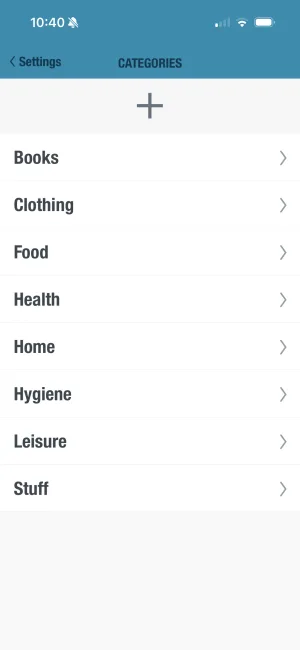
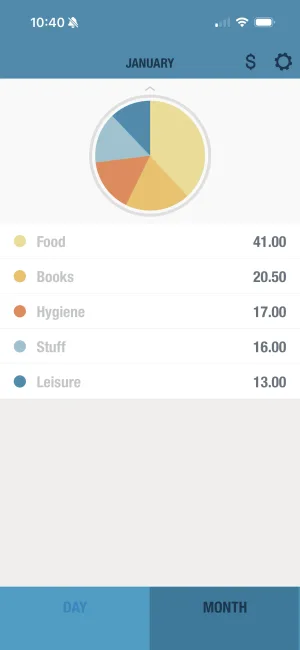
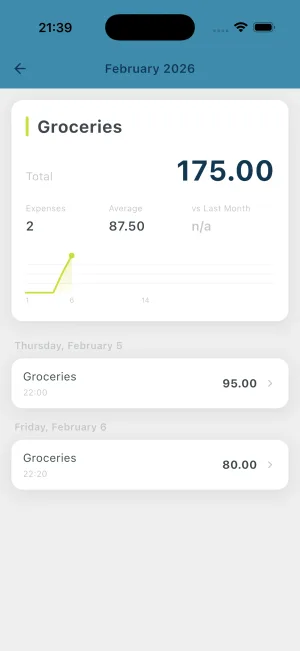
Method 4: Budgeting App Categories
Use budget categories to track sinking funds virtually.
Pros: Integrated with overall budget Cons: Money isn’t physically separated

The Sinking Fund vs Emergency Fund
These serve different purposes:
| Sinking Fund | Emergency Fund |
|---|---|
| Known expenses | Unknown expenses |
| Predictable timing | Unpredictable timing |
| Specific amounts | General buffer |
| Multiple categories | One fund |
| Use regularly | Use rarely |
Example:
- Car insurance due in December → Sinking fund
- Transmission fails unexpectedly → Emergency fund
Your emergency fund stays intact for true emergencies because sinking funds handle the “expected unexpected” expenses.
When to Start Sinking Funds
If the Expense Is Soon
If your $1,200 car insurance is due in 3 months, you need $400/month — not $100. Calculate based on time remaining:
Expense ÷ Months until due = Monthly savings needed
$1,200 ÷ 3 months = $400/month
This is more painful, but next year you’ll have the full 12 months to prepare.
If You’re Behind
Can’t afford full sinking fund amounts? Start with what you can:
- Fund your most painful category first
- Even $25/month toward holiday gifts helps
- Increase amounts as budget allows
Partial sinking funds still reduce the blow of irregular expenses.
Making Sinking Funds Work
Automate Everything
Set up automatic transfers on payday. Money you never see is money you won’t spend.
Review Annually
Each January, review your sinking fund categories:
- Did any amounts change? (Insurance went up?)
- New categories needed? (Expecting a baby?)
- Categories to remove? (Paid off car?)
Don’t Rob Funds
The car fund is for the car. The gift fund is for gifts. Borrowing between funds defeats the purpose and leaves you short when the expense arrives.
Celebrate the System
When December arrives and you have $800 sitting in your holiday fund, ready to spend — that’s a win. You planned for this. The stress that hits everyone else doesn’t touch you.
Sample Sinking Fund Setup
Here’s a realistic example for a family:
Monthly Sinking Fund Transfers: $425
| Category | Annual Need | Monthly |
|---|---|---|
| Car insurance | $1,500 | $125 |
| Car maintenance | $800 | $67 |
| Home repairs | $1,200 | $100 |
| Holiday gifts | $600 | $50 |
| Kids’ birthdays | $300 | $25 |
| Back to school | $400 | $33 |
| Annual subscriptions | $300 | $25 |
What This Prevents
Without sinking funds, this family faces:
- August: $400 back-to-school scramble
- October: $1,500 car insurance shock
- December: $600 holiday gift panic
With sinking funds, they face:
- Every month: $425 in planned, painless savings
- When expenses hit: Money is waiting
Getting Started Today
- List 3-5 irregular expenses that have stressed your budget
- Calculate the annual total for each
- Divide by 12 for monthly amounts
- Set up your tracking system (accounts, spreadsheet, or app)
- Automate the first transfer this week
You won’t fully fund everything immediately — and that’s okay. The system builds over time. Within a year, you’ll have buffers for most irregular expenses.
The goal: when big bills arrive, you shrug and pay them. Because you planned for this months ago.
That’s the power of sinking funds.
Frequently Asked Questions
What is a sinking fund?
A sinking fund is money set aside regularly for a known future expense. Instead of scrambling when your $1,200 car insurance is due, you save $100/month so the money is ready when the bill arrives. It turns large irregular expenses into small regular savings.
How is a sinking fund different from an emergency fund?
Emergency funds cover unexpected expenses (job loss, medical emergency, surprise repairs). Sinking funds cover expected expenses that just don't happen monthly (annual insurance, holiday gifts, car maintenance). You know these costs are coming — you're just preparing in advance.
How many sinking funds should I have?
Start with 3-5 categories that cause the most budget stress. Common ones: car maintenance, holiday gifts, annual subscriptions, medical/dental, and home repairs. Too many funds become hard to track; too few miss important categories. Find your balance.
Related Articles



Ready to take control of your budget?
Download BUDGT and start tracking your daily spending today.