Ways to Save Money in January 2026: Your Complete Monthly Guide

January isn’t just the start of a new year—it’s the best month to reset your finances and build savings momentum. The holiday bills are arriving, resolutions are fresh, and the entire culture is focused on fresh starts. Use that energy to your advantage.
Here’s your complete guide to saving money this January.
January Savings Opportunities at a Glance
| Opportunity | Potential Savings | Effort Level |
|---|---|---|
| Dry January (no alcohol) | $200-400 | Medium |
| Post-holiday decoration sales | $50-200 | Low |
| Subscription audit | $50-200/month ongoing | Low |
| Bill negotiations | $100-500/year | Medium |
| Skip the gym membership | $40-60/month | Low |
| Return unwanted gifts | $50-300 | Low |
| Lower thermostat 2 degrees | $30-60/month | Low |
| Pantry challenge (eat what you have) | $100-200 | Medium |
| No-spend weekends | $100-300 | Medium |
Calendar-Based Savings: January 2026
New Year’s Day (January 1)
The holiday spending is done. Today is for recovery, not spending. Skip the “new year, new you” purchases—most can wait until sales hit or until you’ve assessed what you actually need.
Post-Holiday Sales (January 1-15)
Buy for next year, not impulse purchases:
- Holiday wrapping paper, cards, decorations: 70-90% off
- Winter coats and boots: 40-60% off
- Electronics that didn’t sell: 20-40% off
Martin Luther King Jr. Day (January 20, 2026)
Retailers run sales, but most “deals” aren’t essential. If you need a specific item, this weekend offers mattress, furniture, and appliance discounts. Otherwise, skip it.
End of Month (January 25-31)
- Review all January spending
- Assess holiday debt payoff progress
- Prepare February budget with lessons learned
Seasonal Expenses to Watch Out For
January comes with predictable budget traps. Here’s what to watch:
Holiday Credit Card Bills
The average American added $1,500+ in holiday debt. If that’s you:
- Calculate the total damage across all cards
- Prioritize the highest-interest card first
- Make a realistic payoff timeline (aim for before next holiday season)
- Cut January discretionary spending to accelerate payoff
Heating Costs Peak
January is typically the coldest month, meaning highest utility bills. Combat this with:
- Thermostat at 68°F when home, 62°F when sleeping or away
- Weatherstripping on drafty windows and doors
- Heavy curtains closed at night, open during sunny days
- Space heater for the room you’re in (instead of heating empty rooms)
Resolution-Related Spending
Don’t let “new year, new me” become “new year, new debt”:
| Resolution Trap | Smarter Alternative | Savings |
|---|---|---|
| Expensive gym membership | Free YouTube workouts, outdoor running | $500-1,000/year |
| Buying all new workout gear | Use what you have, buy secondhand | $200-500 |
| Signing up for meal delivery | Meal prep with sales and bulk buying | $300-600/month |
| New planner, organization systems | Use free apps, repurpose existing | $50-150 |
| Online courses you won’t finish | Free library resources, YouTube | $100-500 |
Hidden Savings Opportunities This Month
Dry January: The Underrated Money Saver
Dry January isn’t just good for your health—it’s a financial reset. Consider:
Average Monthly Alcohol Spending
Even if you don’t go fully dry, cutting back by half still saves $150+.
Annual Subscription Renewal Season
Many subscriptions renewed during the holidays. January is when you notice the charges:
- Amazon Prime (typically $139-$179/year)
- Streaming services (review which you actually watch)
- Software subscriptions (do you need the premium tier?)
- Membership renewals (warehouse clubs, organizations)
Action step: Check your bank and credit card statements for any charges in the last 60 days. Cancel anything you don’t actively use weekly.
Negotiate Everything
January is prime negotiation season:
| Bill to Negotiate | How to Ask | Expected Savings |
|---|---|---|
| Insurance (auto, home) | “I’m comparing rates, what can you do?” | $200-500/year |
| Internet/cable | ”I’m considering switching to [competitor]“ | $10-30/month |
| Cell phone | ”What promotions are available for loyal customers?” | $10-25/month |
| Credit card interest | ”I’d like a lower APR” (if good payment history) | Varies significantly |
Your January Money Challenge: The Pantry Challenge
Before you grocery shop, eat what you already have. Most households have $200-400 worth of forgotten food in pantries, freezers, and cabinets.
Inventory everything
Check your pantry, freezer, refrigerator, and any food storage. Write down what you have.
Plan meals around existing food
Create a week of meals using only what's already in your home. Get creative—this is the point.
Shop only for fresh essentials
If you must shop, buy only fresh items you can't substitute: milk, eggs, produce. Skip anything you already have versions of.
Extend the challenge
Try to go two full weeks primarily eating from your existing stock. You'll be amazed how much you save.
Expected savings: $100-200 for a two-week pantry challenge.
How BUDGT Helps You Save in January
January is all about recovery and reset. Here’s how BUDGT supports your fresh start:
Daily Budget Reset
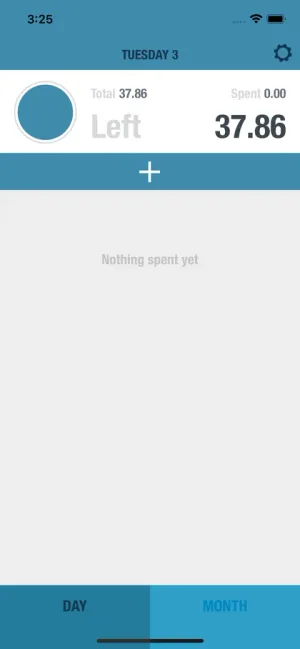
After the chaos of holiday spending, knowing your exact daily limit brings peace. BUDGT divides your January budget by 31 days, showing you precisely what you can spend each day.
Category Tracking
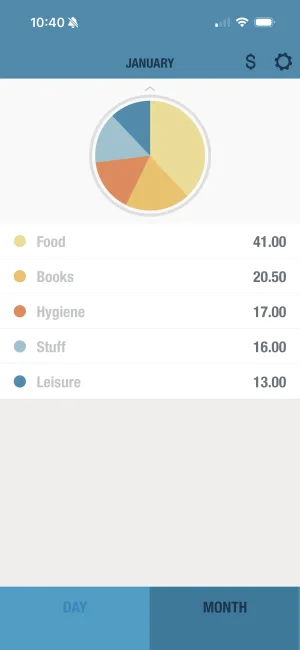
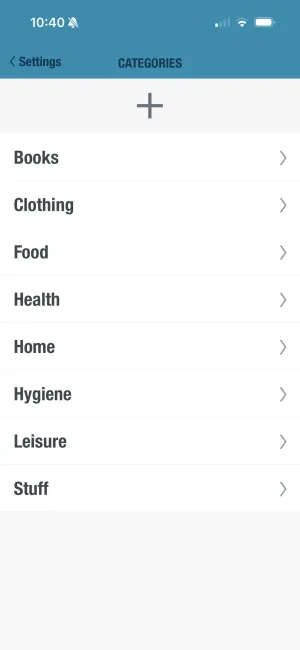
See exactly where your money went during the holidays—and where it’s going now. Categories reveal spending patterns you might miss otherwise.
Savings Mode
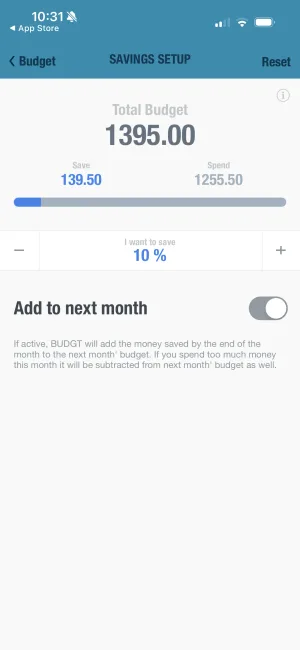
If you’re paying off holiday debt or building back your emergency fund, Savings Mode prioritizes those goals automatically in your daily budget calculation.
Make January Count
January sets the tone for your entire financial year. The habits you build now—tracking daily spending, questioning purchases, negotiating bills—compound throughout 2026.
Start small:
- This week: Do the subscription audit
- Week two: Try the pantry challenge
- Week three: Negotiate one bill
- Week four: Review January spending and celebrate your wins
Every dollar saved in January is a dollar working for your goals instead of catching up from the holidays.
Frequently Asked Questions
What are the best ways to save money in January?
January offers unique savings opportunities including post-holiday sales for next year's supplies, dry January alcohol savings ($200-400), gym membership alternatives (free workout apps, outdoor exercise), subscription audits when annual renewals hit, and returning unwanted gifts for store credit. Focus on recovering from holiday spending while building habits for the year ahead.
How much can you save by doing Dry January?
The average American spends $50-100 per week on alcohol. A full Dry January can save $200-400, plus you'll likely spend less on dining out and late-night food orders that often accompany drinking. Many people report saving $500+ when accounting for all alcohol-adjacent spending.
Should I buy a gym membership in January?
January is actually the worst time to buy a gym membership—prices are highest due to New Year's resolution demand. Wait until February or March when gyms offer deals to fill spots. In the meantime, use free alternatives like YouTube workouts, running outdoors, or bodyweight exercises at home.
How do I recover from holiday overspending?
First, assess the damage by totaling all holiday spending. Create a payoff plan for any credit card debt, prioritizing highest-interest cards. Cut discretionary spending for January, returning to your normal budget in February. Use any gift cards or returns to reduce new purchases. Most importantly, don't add more debt trying to fix debt.
What bills should I negotiate in January?
January is ideal for negotiating insurance premiums (auto, home, life) at renewal time, internet and cable bills, cell phone plans, and any subscriptions that auto-renewed. Companies often have new customer acquisition budgets in Q1, making them more willing to offer retention deals.
Is January a good time for post-holiday sales?
Yes, January offers excellent deals on holiday decorations (70-90% off), winter clothing and outerwear, fitness equipment, and electronics that didn't sell during the holidays. Buy next year's wrapping paper, cards, and decorations now. However, avoid buying things you don't need just because they're on sale.
How can I save on heating bills in January?
Lower your thermostat 1-2 degrees (saves 3% per degree), use a programmable thermostat, seal drafts around windows and doors with weatherstripping, close vents in unused rooms, use ceiling fans in reverse to push warm air down, and layer clothing instead of cranking the heat. These small changes can reduce heating bills by 10-25%.
What subscriptions should I cancel in January?
Audit all subscriptions that renewed during the holidays or are coming due. Common cuts include streaming services you rarely use, gym memberships (especially if unused), subscription boxes, premium app subscriptions, and any "free trial" that converted to paid. The average household has $200+ in subscriptions, with $50+ typically unused.
Related Articles



Ready to take control of your budget?
Download BUDGT and start tracking your daily spending today.