New Financial Year, New Goals: Your April Budget Reset Guide

This post is crafted for our wonderful users in India—though the wisdom here applies no matter where you call home.
While the world celebrates New Year in January, India’s real financial fresh start comes in April. April 1st marks the beginning of a new financial year—and with it, an opportunity to reset your budget, review your progress, and set new money goals.
Why April 1 Matters
India’s financial year runs April 1 to March 31. This affects:
- Tax calculation: Your income between April-March determines tax liability
- Investment declarations: HR departments collect proof for 80C, HRA, etc.
- Salary revisions: Most companies announce appraisals effective April 1
- Benefits reset: LTA, medical reimbursements restart
Unlike arbitrary January 1 resolutions, April offers concrete financial data from the year that just ended.
Review the Year That Was
Before planning ahead, look back.
What Did You Save?
Compare actual savings against what you planned. The gap reveals truth.
Where Did Money Leak?
- Did food expenses balloon?
- Did EMIs eat more than planned?
- Did festivals and weddings exceed budget?
What Unexpected Expenses Hit?
Medical emergencies, vehicle repairs, family support needs. If these derailed your budget, build larger buffers this year.
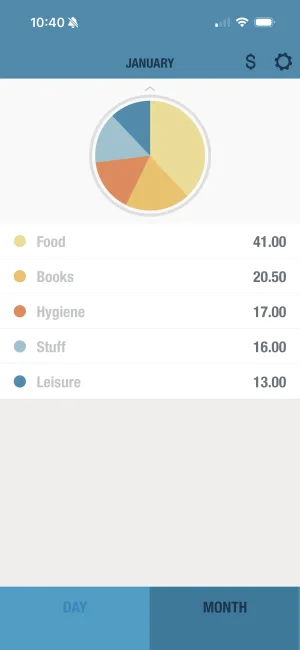
The April Budget Reset
Update Your Income
If you received an appraisal, factor in the new take-home after TDS and PF.
Adjust for Inflation
Assume 6-8% inflation on groceries, fuel, dining out, and household salaries.
List Fixed Expenses
Rent/EMI, school fees, insurance premiums, society maintenance.
Set Savings Target
Ideally: save at least 20% of take-home income. If you got a raise, increase savings more than spending.
The 50-30-20 Budget (Indian Edition)
50% - Needs: Rent/EMI, Groceries, Utilities, Transport, Insurance
30% - Wants: Dining out, Entertainment, Shopping, Vacations, Festivals
20% - Savings: Emergency fund, Investments, Retirement, Goal-specific
If your needs exceed 50%, it’s a warning sign.
Tax Planning from Day One
Start investments immediately: Monthly SIP of ₹12,500 = ₹1,50,000 (80C limit) by March with full compounding benefit.
Review HRA and other benefits: Unclaimed benefits are money left on the table.
Monthly Check-In Habit
On the 1st of every month:
- Review last month’s spending vs. budget
- Check savings/investment progress
- Adjust daily spending limit if needed
Takes 10 minutes. Prevents 12 months of drift.
This Year Will Be Different
Not because of wishes—because of systems.
The difference between people who meet financial goals and those who don’t isn’t willpower. It’s:
- Clear goals with numbers and dates
- Systems that run automatically (SIPs, recurring transfers)
- Regular reviews that catch drift early
This April, set up the systems. The results will follow.
Here’s to a financially successful FY 2026-27!
Frequently Asked Questions
Why is April 1 important for budgeting in India?
April 1 marks the start of India's financial year (FY). This is when tax calculations reset, most companies announce salary revisions, and benefits like LTA restart.
How should I adjust my budget after a salary hike?
Follow the 'lifestyle creep' rule: increase savings more than spending. If you get a ₹5,000/month raise, put at least ₹3,000 toward savings and only ₹2,000 toward lifestyle.
What financial goals should I set for the new year?
Set specific goals in priority order: (1) Emergency fund if not complete, (2) High-interest debt payoff, (3) 80C investments for tax savings, (4) Retirement savings, (5) Goal-specific savings.
How do I plan for tax saving early in the FY?
In April, calculate your total 80C investment plan. Divide by 12 and set up monthly SIPs for ELSS or standing instructions for PPF. This way you're done by February without March rushing.
Should I change my budget every financial year?
Yes, update it annually. Review spending data, account for inflation (6-8%), incorporate salary changes, and adjust for any lifestyle changes like new EMIs or child's school admission.
Related Articles



Ready to take control of your budget?
Download BUDGT and start tracking your daily spending today.