Festival Shopping Guide: Stretching Your Budget from Holi to Onam
This post is crafted for our wonderful users in India—though the wisdom here applies no matter where you call home.
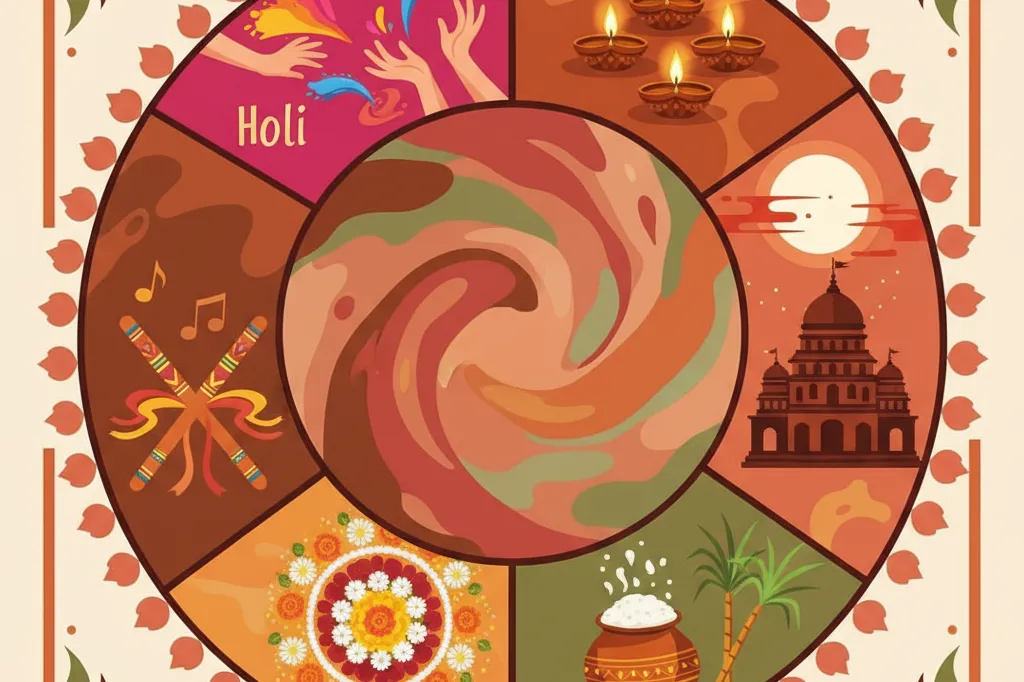
Makar Sankranti kites in January. Holi colors in March. Eid celebrations. Navratri nights. Durga Puja pandals. Onam sadya. Ganesh Chaturthi. Dussehra. Diwali. Christmas.
Living in India means there’s always a festival around the corner—and each one comes with its own shopping list. Add regional festivals, family celebrations, and religious occasions, and you’re looking at 10-15 spending events throughout the year.
It’s beautiful. It’s cultural. And it can absolutely wreck your budget if you’re not careful.
Create an Annual Festival Fund
Here’s the smartest thing you can do: budget for festivals annually, not monthly.
Calculate your annual festival expenses: Think back to last year. How much did you spend across all festivals? If unsure, estimate:
- Diwali: ₹20,000
- Other festivals combined: ₹15,000
- Total: ₹35,000/year
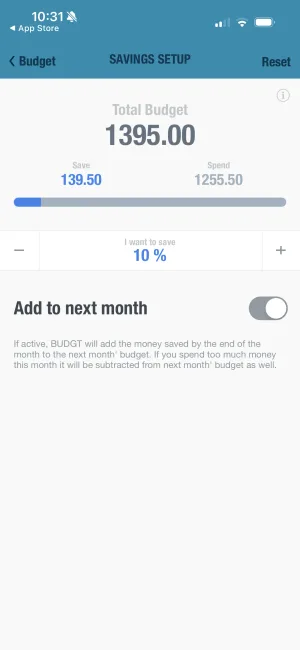
Create a monthly festival fund: ₹35,000 ÷ 12 = ₹2,917/month
Set aside this amount monthly. When festivals arrive, you have the money ready. No stress, no credit card debt.
Festival-by-Festival Saving Tips
Holi
- Natural colors from turmeric, beetroot, and flowers cost almost nothing
- Wear old white clothes—they’ll get ruined anyway
- Make gujiya at home instead of buying (₹50 vs. ₹500)
Navratri & Durga Puja
- Rotate outfits across 9 nights—nobody tracks what you wore on Day 3
- Pandal-hopping is free entertainment
- Borrow jewelry from family members
Ganesh Chaturthi
- Eco-friendly Ganesha idols are often cheaper than plaster ones
- Reuse decorations from previous years
- Make modaks at home—it’s a fun family activity
Onam
- Pookalam flowers from your garden or local vendors cost nothing
- Organize a potluck sadhya—each family brings a dish
Homemade vs. Store-Bought
| Item | Store Price | Homemade Cost | Savings |
|---|---|---|---|
| Box of barfi (500g) | ₹600 | ₹150 | ₹450 |
| Gujiya (20 pcs) | ₹400 | ₹100 | ₹300 |
| Modaks (12 pcs) | ₹350 | ₹80 | ₹270 |
The time investment is real, but so are the savings—and homemade carries meaning that store-bought can’t match.
Celebrate Without Compromise
Indian festivals are about joy, tradition, family, and gratitude—not about proving anything through spending. The most memorable celebrations are often the simplest.
You can have all of that on any budget.
This year, plan ahead, spend intentionally, and let the festivals bring you joy—without the January regret.
Happy celebrating!
Frequently Asked Questions
How do I budget for so many festivals in India?
Create an annual festival fund. Estimate your total yearly festival spending (typically ₹25,000-50,000 for most families), then divide by 12 and set aside that amount monthly. When festivals arrive, you'll have dedicated funds ready.
Which festivals require the most spending?
Diwali is typically the biggest expense (40-50% of annual festival budget), followed by Eid (for Muslim families), Durga Puja/Navratri, and Christmas. Regional festivals like Onam or Pongal vary by family tradition.
How can I celebrate festivals on a tight budget?
Focus on the essence rather than expense. DIY decorations, homemade sweets, potluck gatherings, and reused outfits can cut costs by 50-70%. Many festivals have inherently frugal traditions.
Should I use credit cards for festival shopping?
Only if you can pay the full balance by the due date. Credit card interest rates of 36-42% annually make festival purchases extremely expensive if carried forward.
How do I teach kids about festival budgets?
Involve them in the process. Give children a small budget to manage (₹500-1,000) for gifts or decorations. Explain trade-offs and participate in DIY activities together.
Related Articles



Ready to take control of your budget?
Download BUDGT and start tracking your daily spending today.