Back-to-School Shopping on a Budget: A Single Mom's 2026 Guide
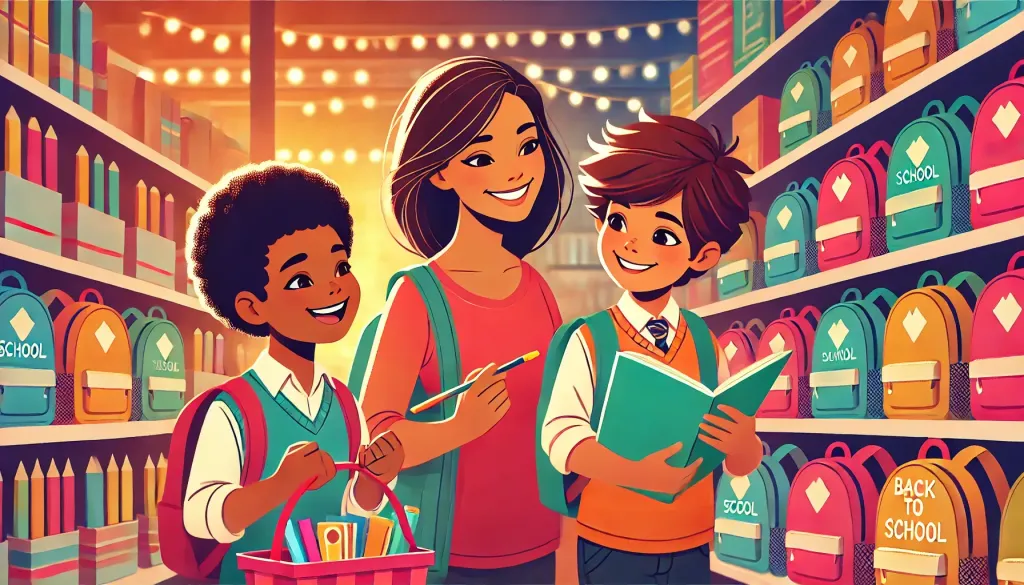
As summer winds down, the back-to-school season arrives—and with it, a wave of expenses that can overwhelm any budget. For single mothers, this time of year brings extra pressure: school supplies, new clothes, backpacks, shoes, and the endless “must-have” items kids insist they need.
Here’s the reality: you don’t have to spend a fortune to send your kids back to school prepared. With strategic planning and smart shopping, you can cut back-to-school costs by 50-70% while still getting everything your children need.
The Real Cost of Back-to-School Shopping
Before diving into strategies, let’s understand what we’re up against:
| Category | Average Spend | Budget-Smart Spend | Savings |
|---|---|---|---|
| School supplies | $150-200 | $40-60 | 60-70% |
| Clothing | $300-400 | $75-150 | 50-75% |
| Shoes | $100-150 | $30-60 | 60-70% |
| Backpack | $50-100 | $10-30 | 70-80% |
| Electronics | $200-400 | $0-100 | 75-100% |
| Total | $800-1,250 | $155-400 | 50-80% |
Average vs Budget-Smart Back-to-School Spending
The difference isn’t about depriving your kids—it’s about shopping smarter.
The Back-to-School Shopping Timeline
Timing is everything. Here’s when to buy what:
| Month | What to Buy | Why |
|---|---|---|
| July | Basic supplies (notebooks, pencils, folders) | Early sales, full selection |
| Early August | Clothing, shoes, backpacks | Tax-free weekends in many states |
| Mid-August | Remaining required supplies | Teacher lists usually arrive |
| Late August | Clearance items only | Deep discounts, limited selection |
| September | Nothing (unless essential) | Prices normalize after rush |
| January | Winter clothing, clearance | Off-season = biggest discounts |
Tax-Free Weekends
Many states offer tax-free shopping weekends in late July or early August. This saves 5-10% on qualifying items:
| Typically Tax-Free | Usually NOT Tax-Free |
|---|---|
| Clothing under $100 | Electronics |
| School supplies | Computers (some states exempt) |
| Backpacks | Sports equipment |
| Shoes | Jewelry, accessories |
Check your state’s specific rules—the savings add up fast.


8 Strategies for Budget Back-to-School Shopping
Take Inventory First
Before buying anything, check what you already have. Last year's backpack might work. Unused notebooks are still good. You'll likely find 20-30% of 'needed' items already at home.
Get the Required List
Wait for teacher supply lists before shopping. Buying without the list leads to wrong items and wasted money. If lists aren't available, call the school office.
Set a Firm Budget
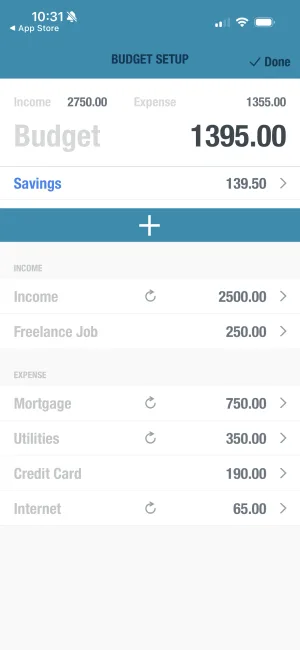
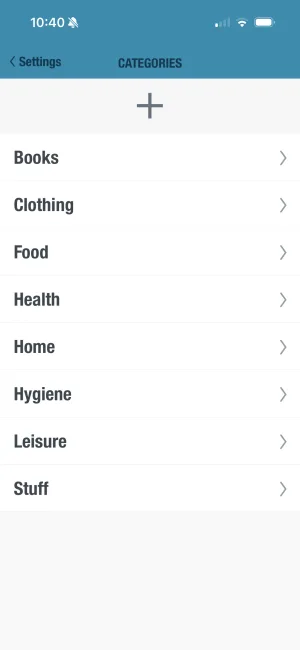
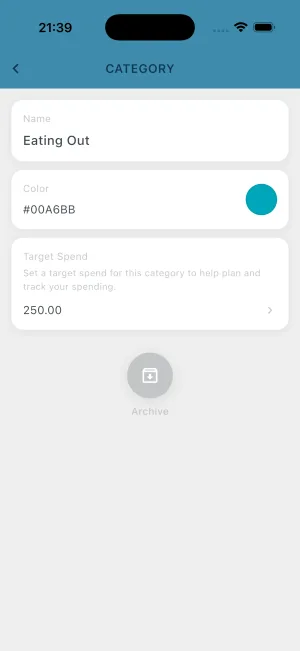
Decide your total spend before shopping. Break it into categories (supplies, clothes, shoes). Track in BUDGT so you don't accidentally overspend.
Prioritize Ruthlessly
Separate true needs from wants. Required supplies and basic clothing come first. Trendy items, extras, and nice-to-haves only if budget allows.
Shop Sales Strategically
Use the timeline above. Start early for best selection, shop tax-free weekends for biggest savings, wait for clearance on non-essentials.
Mix New and Secondhand
Thrift stores for clothing and backpacks, dollar stores for basic supplies, retail only for items that must be new (underwear, shoes that fit).
Involve Your Kids
Teach budgeting by giving them choices within limits. They'll value items more and learn money skills.
Track Every Purchase
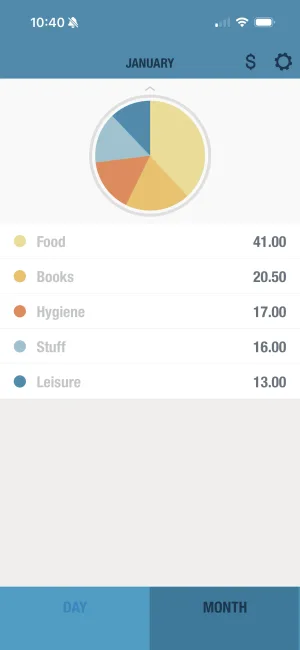
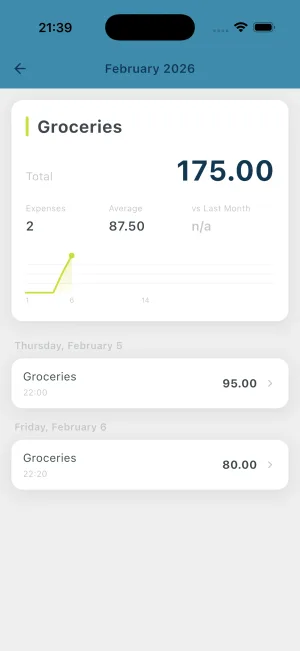
Log each purchase in BUDGT immediately. This prevents 'budget creep' where small purchases add up to overspending.
What to Buy Where
Not all stores are equal for back-to-school value:
| Item Category | Best Places to Buy | Avoid |
|---|---|---|
| Basic supplies (pencils, paper, folders) | Dollar Tree, Dollar General | Office supply stores |
| Notebooks, binders | Target, Walmart (on sale) | Specialty stores |
| Backpacks | Thrift stores, TJ Maxx, Costco | Department stores |
| Clothing | Thrift stores, Old Navy clearance | Mall retailers |
| Shoes | Shoe Carnival, Target, Payless | Brand stores |
| Lunch supplies | Aldi, Walmart | Convenience stores |
| Electronics | Wait for sales, buy refurbished | Buying new at full price |
The Dollar Store Secret
Dollar stores are goldmines for school supplies:
| Dollar Store Wins | Dollar Store Misses |
|---|---|
| Pencils, pens, erasers | Scissors (often dull) |
| Notebooks, folders | Backpacks (poor quality) |
| Glue sticks, tape | Crayons (break easily) |
| Rulers, highlighters | Markers (dry out fast) |
| Index cards, sticky notes | Electronics |
Spend $10-15 at a dollar store and you’ll cover most basic supplies.
School Supply Checklist by Grade Level
What your child actually needs varies by age:
Elementary School (K-5)
| Essential | Quantity | Budget Option |
|---|---|---|
| #2 pencils | 24-48 | Dollar store bulk |
| Crayons | 1-2 boxes | Store brand 24-pack |
| Scissors | 1 pair | Dollar store (test first) |
| Glue sticks | 4-6 | Dollar store |
| Folders | 4-6 | Dollar store |
| Notebooks | 2-4 | Dollar store or sales |
| Backpack | 1 | Thrift store or Costco |
| Pencil box | 1 | Ziplock bag works fine |
| Estimated total | $25-40 |
Middle School (6-8)
| Essential | Quantity | Budget Option |
|---|---|---|
| Pencils & pens | 24+ each | Bulk packs on sale |
| Notebooks (subject) | 5-7 | Target/Walmart sales |
| Binders | 2-3 | Reuse if possible |
| Folders | 6-8 | Dollar store |
| Calculator | 1 | Check if school provides |
| Highlighters | 4-6 | Dollar store |
| Backpack | 1 | Thrift or TJ Maxx |
| Estimated total | $40-60 |
High School (9-12)
| Essential | Quantity | Budget Option |
|---|---|---|
| Notebooks | 5-7 | Sales or bulk |
| Binders | 3-4 | Reuse from last year |
| Pens (various) | 24+ | Bulk packs |
| Calculator (graphing) | 1 | Buy used, borrow, or rent |
| USB drive | 1 | Check for old ones at home |
| Planner | 1 | Use phone app instead |
| Backpack | 1 | Quality investment or thrift |
| Estimated total | $50-80 |
The Thrift Store Strategy
Thrift stores can cut your clothing budget by 70-90%:
| Retail Price | Thrift Price | You Save |
|---|---|---|
| Jeans: $30-50 | $4-8 | $22-42 |
| T-shirts: $15-25 | $2-4 | $13-21 |
| Backpack: $40-80 | $5-15 | $35-65 |
| Jacket: $50-100 | $8-20 | $42-80 |
| Shoes: $40-80 | $8-15 | $32-65 |
Clothing: Retail vs Thrift Prices
Thrift Shopping Tips
| Strategy | Why It Works |
|---|---|
| Shop early August | Best selection before rush |
| Check multiple stores | Each has different inventory |
| Look for tags still on | Many items are brand new |
| Inspect carefully | Check zippers, seams, stains |
| Wash everything | Fresh start, peace of mind |
| Bring your child | Ensure fit and buy-in |
What to Thrift vs. Buy New
| Great to Thrift | Better to Buy New |
|---|---|
| Jeans, pants | Underwear, socks |
| T-shirts, sweaters | Shoes (fit matters) |
| Jackets, coats | Items with sizing issues |
| Backpacks | Anything with hygiene concerns |
| Dress clothes |
Involving Your Child in Budget Decisions
Teaching kids about money starts with real-world practice:
Age-Appropriate Involvement
| Age | How to Involve | What They Learn |
|---|---|---|
| 5-7 | Let them choose between 2 options | Making choices |
| 8-10 | Give them a small category budget ($20 for supplies) | Staying within limits |
| 11-13 | Show them the total budget, let them prioritize | Trade-offs |
| 14+ | Have them track spending in BUDGT | Real budgeting skills |
Handling “I Want” Requests
When your child wants expensive items:
| What They Say | How to Respond |
|---|---|
| ”Everyone has this brand" | "Let’s find that brand at the thrift store" |
| "I need the expensive one" | "You can have it if you skip [something else]" |
| "It’s not fair" | "Our budget is $X—help me decide how to use it" |
| "Can I earn the difference?" | "Yes! Here’s how…” |
This isn’t about saying no—it’s about teaching choices.
DIY and Creative Solutions
Sometimes the best savings come from making do:
| Instead of Buying | Try This | Savings |
|---|---|---|
| Pencil case: $8-15 | Ziplock bag or old makeup pouch | $8-15 |
| Locker organizer: $15-25 | Small boxes from home | $15-25 |
| Book covers: $3-5 each | Brown paper bags | $15-25 |
| Lunch box: $15-30 | Reusable containers in a bag | $10-25 |
| Decorative folders: $4-6 | Plain folders + stickers from home | $2-4 |
Reuse Checklist
Before buying, check if you have:
| Item | Where to Look |
|---|---|
| Backpack | Closet (last year’s) |
| Notebooks | Desk, old school supplies |
| Pencils, pens | Junk drawer, office supplies |
| Folders, binders | Previous years |
| Calculator | Older sibling, relatives |
| Lunch containers | Kitchen cabinets |
You’ll often find 20-30% of “needed” items already at home.
Planning for the Whole School Year
Smart budgeting extends beyond August:
| Month | Budget Strategy |
|---|---|
| July-Aug | Main shopping (supplies, essentials) |
| Sept | Only buy what’s actually needed |
| Oct-Nov | Watch for sales on winter items |
| Jan | Winter clothing clearance (buy for next year) |
| Mar-Apr | Spring items on sale |
| May-June | End-of-year clearance for next year |
Spreading the Cost
If the upfront cost is overwhelming:
| Strategy | How It Works |
|---|---|
| Start early | Buy a few items each paycheck starting in June |
| Prioritize ruthlessly | Absolute essentials first, nice-to-haves later |
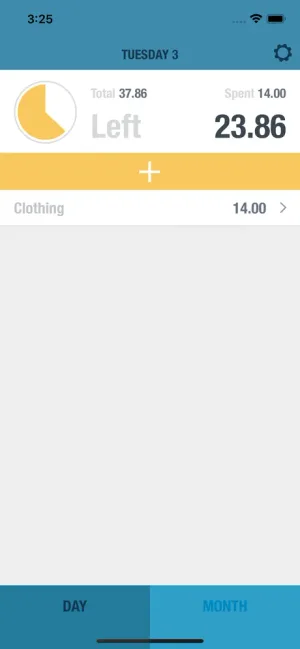
| Use BUDGT’s daily approach | See how small daily amounts add up |
| Ask for help | Schools often have supply assistance programs |
Free and Low-Cost Resources
Don’t overlook these money-saving options:
| Resource | What’s Available |
|---|---|
| School supply drives | Free supplies from community programs |
| Church and nonprofit programs | Backpacks, supplies, clothing |
| Freecycle/Buy Nothing groups | Free items from neighbors |
| Hand-me-downs | Coordinate with family/friends |
| Library | Free books instead of buying |
| School supply exchanges | Trade unused items with other parents |
Many communities have back-to-school events specifically for families who need help. Call your school’s main office—they can direct you to resources.
Your Back-to-School Action Plan
| Week | Action | Time Needed |
|---|---|---|
| Week 1 | Take inventory of what you have | 30 minutes |
| Week 2 | Set total budget, get supply lists | 20 minutes |
| Week 3 | Shop dollar stores for basics | 1 hour |
| Week 4 | Hit thrift stores for clothing | 2 hours |
| Week 5 | Tax-free weekend (if available) | 2 hours |
| Week 6 | Fill in gaps with targeted shopping | 1 hour |
| Week 7 | Final inventory check | 15 minutes |
From Stress to Success
Back-to-school shopping doesn’t have to drain your bank account or stress you out. With planning, patience, and the right strategies, you can send your kids to school fully prepared while keeping your budget intact.
The key is starting early, knowing where to shop, and tracking every purchase. When you can see exactly where your money goes, you make better decisions—and you’ll likely find money left over for something special.
Your children don’t need the most expensive supplies to succeed in school. They need the right tools, your support, and a mom who models smart money management. That’s a lesson worth more than any brand-name backpack.
One list, one budget, one purchase at a time.
Frequently Asked Questions
When should I start back-to-school shopping to get the best deals?
Start shopping in early July when back-to-school sales begin. The best deals appear during tax-free weekends (typically early August in participating states). Spread purchases over 6-8 weeks to catch different sales. Late August has clearance deals but limited selection.
How much should I budget for back-to-school shopping?
The average family spends $600-900 per child, but you can realistically spend $150-300 with strategic shopping. Elementary students need less ($150-200), while high schoolers need more ($250-400). Start by listing only essentials and add nice-to-haves only if budget allows.
How can BUDGT help me manage back-to-school shopping expenses?
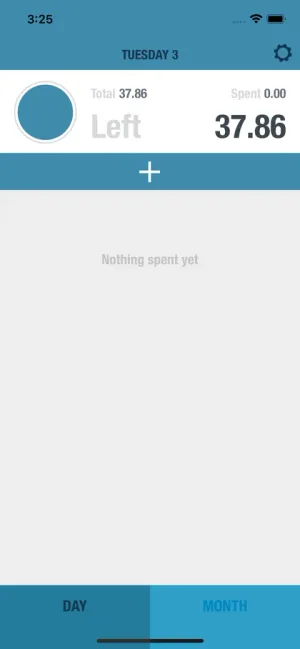
BUDGT's daily budget approach helps you spread back-to-school costs over weeks instead of one overwhelming trip. Create a spending goal, track purchases in real-time, and see exactly how much remains. The app works 100% offline, so you can check your budget right in the store.
What items should I prioritize on my back-to-school shopping list?
Prioritize in this order: 1) Required school supplies from teacher lists, 2) Backpack if current one is damaged, 3) Essential clothing (underwear, socks, a few outfits), 4) Shoes that fit. Everything else—trendy items, extra clothes, accessories—can wait for sales or be skipped.
Are thrift stores good for back-to-school shopping?
Excellent choice! Thrift stores offer clothing at 70-90% off retail prices. Many carry new items with tags from retail donations. Best finds: jeans, backpacks, jackets, and brand-name clothing. Shop early in August for best selection. Some stores have back-to-school sales too.
How can I involve my child in back-to-school budgeting?
Give them ownership within limits. Show them the total budget, let them prioritize their wishlist, and have them compare prices. Older kids can track spending in BUDGT. This teaches financial literacy while ensuring they value what they get.
Should I buy school supplies in bulk?
Yes for basics like pencils, paper, notebooks, and folders—these are always needed. Buy bulk at warehouse stores or during deep sales, then store extras. Skip bulk for items that might change (like specific binder sizes) or trendy items kids outgrow.
What are the best stores for budget back-to-school shopping?
Dollar stores for basic supplies (pencils, notebooks, folders). Target and Walmart for price-matching and sales. Thrift stores for clothing and backpacks. Amazon for bulk basics. Aldi for lunch supplies. Avoid specialty stores and mall retailers.
How do I handle my child wanting expensive brand-name items?
Acknowledge their feelings, then explain the family budget. Offer choices: they can have one brand-name item if they skip something else, or earn money for the difference. Sometimes thrift stores have brand-name items at fraction of cost.
What school supplies can I skip buying?
Skip: fancy pencil cases (use a ziplock bag), brand-name crayons (generic work fine), excessive notebooks (wait until needed), trendy folders, and most 'back-to-school kits' (overpriced bundles). Also skip items not on the required list—teachers usually have extras.
Related Articles


Ready to take control of your budget?
Download BUDGT and start tracking your daily spending today.