Free Family Activities: 8 Budget-Friendly Ideas for Quality Time

Finding meaningful ways to spend time with your family shouldn’t require spending money you don’t have. Yet the average American family spends $2,500-3,500 annually on entertainment and activities—money that could go toward debt, savings, or other priorities.
The good news? The best family memories often come from experiences that cost nothing at all. Research consistently shows that children remember quality time and attention far more than expensive outings. This guide provides eight detailed, budget-friendly activity ideas that create genuine connection without financial stress.
The Real Cost of Family Entertainment
Before diving into free activities, let’s look at what families typically spend:
| Activity Type | Average Cost | Frequency | Annual Total |
|---|---|---|---|
| Movie theater (family of 4) | $60-80 | Monthly | $720-960 |
| Theme park visit | $300-500 | 2x/year | $600-1,000 |
| Restaurant dining | $50-100 | Weekly | $2,600-5,200 |
| Paid kids activities | $15-30 | Weekly | $780-1,560 |
| Entertainment subscriptions | $50-100/mo | Monthly | $600-1,200 |
| Typical annual total | $5,300-9,920 |
Annual Family Entertainment Spending
Now imagine redirecting even half of that toward debt payoff, savings, or other family goals. Free activities aren’t about deprivation—they’re about intentional choices.
How to Plan Budget-Friendly Family Time
Assess Your Current Spending
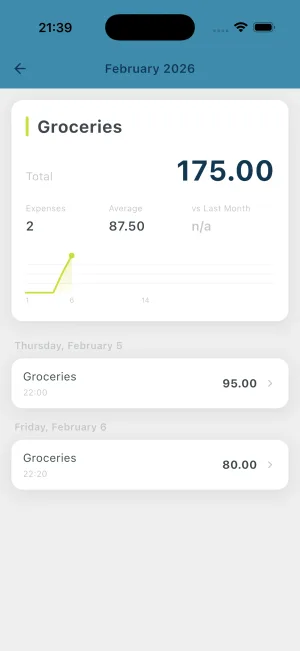
Track entertainment expenses for one month. You'll likely find recurring costs you barely notice—subscriptions, convenience purchases, and impulse outings that add up quickly.
Identify What Your Family Enjoys
Make a list of activities your family has genuinely enjoyed. Often the most memorable moments cost nothing: backyard games, cooking together, nature exploration.
Create a Free Activities List
Build a master list of 20-30 free activities your family can do. Post it somewhere visible so you always have ideas ready when someone says 'I'm bored.'
Plan Weekly Family Time
Schedule dedicated family activity time—even 1-2 hours weekly creates meaningful connection. Consistency matters more than duration.
Build Anticipation
Talk about upcoming activities throughout the week. Anticipation is often as enjoyable as the activity itself and makes free activities feel special.
Capture Memories
Take photos, create scrapbooks, or keep a family adventure journal. Documentation makes any activity feel more significant and creates lasting memories.
8 Free Family Activities That Create Real Memories
1. Nature Walks and Hikes
Nature offers endless free entertainment, and the benefits extend far beyond budget savings. Time outdoors improves mood, reduces stress, and provides natural exercise for the whole family.
How to make it special:
| Element | Free Option | What It Adds |
|---|---|---|
| Challenge | Scavenger hunt list | Purpose and excitement |
| Collection | Nature journal | Learning and memory |
| Snacks | Homemade trail mix | Picnic atmosphere |
| Goal | Distance or elevation target | Sense of accomplishment |
| Documentation | Phone photos | Shareable memories |
Activity variations by season:
| Season | Nature Activity Ideas |
|---|---|
| Spring | Wildflower identification, bird watching, puddle jumping |
| Summer | Creek exploration, sunrise hikes, stargazing |
| Fall | Leaf collecting, color change tracking, harvest walks |
| Winter | Animal track hunting, frost photography, winter bird counting |
Making it age-appropriate:
- Toddlers: Short walks with frequent stops, collecting treasures in a bag
- Preschoolers: Simple scavenger hunts, nature bingo cards
- School-age: Geocaching, photography challenges, plant/animal identification
- Teens: Longer hikes, nature journaling, wildlife photography
2. Family Game Night
Game nights build connection, teach important skills, and create lasting memories—all without spending a dime (once you own the games).
What kids learn from game nights:
| Skill | How Games Teach It |
|---|---|
| Turn-taking | Waiting for your turn |
| Strategic thinking | Planning moves ahead |
| Graceful winning/losing | Managing emotions |
| Math skills | Scoring, counting, probability |
| Reading | Game cards and instructions |
| Social skills | Conversation and interaction |
Free game options:
| Game Type | Examples | Best For |
|---|---|---|
| Card games | Go Fish, War, Uno, Crazy Eights | All ages |
| Board games | Chess, Checkers, Backgammon | Strategy lovers |
| Word games | 20 Questions, I Spy, Word Association | Road trips, waiting rooms |
| Active games | Charades, Freeze Dance, Simon Says | Energy burning |
| Drawing games | Pictionary with paper, Draw and Guess | Creative families |
| DIY games | Homemade trivia, scavenger hunts | Customized fun |
Tips for successful game nights:
- Set a consistent night (e.g., every Friday)
- Rotate who picks the game
- Include special (free) snacks like homemade popcorn
- Keep it fun—don’t let competition become stressful
- End on time so kids look forward to next week
3. DIY Craft Projects
Crafting together encourages creativity, teaches patience, and results in treasured keepsakes—often using materials you already have.
Free/low-cost craft supplies:
| Material Source | What You’ll Find |
|---|---|
| Recyclables | Cardboard boxes, toilet paper rolls, egg cartons, jars |
| Nature | Pinecones, leaves, sticks, rocks, flowers |
| Kitchen | Flour (for playdough), food coloring, coffee (for aging paper) |
| Paper | Old magazines, newspapers, junk mail, wrapping paper scraps |
| Fabric | Old clothes, buttons, ribbon from gifts |
Craft projects by age:
| Age Group | Project Ideas |
|---|---|
| Toddlers (1-3) | Finger painting, playdough, sensory bins |
| Preschool (3-5) | Paper plate animals, painted rocks, simple collages |
| School-age (6-12) | Friendship bracelets, origami, nature journals, birdhouses |
| Teens | Tie-dye with natural dyes, room decor, photo projects |
Sample free craft project: Painted Rock Garden
- Collect smooth rocks from nature walks
- Clean and dry rocks completely
- Paint with leftover craft paint or make natural dyes
- Add messages, patterns, or designs
- Seal with clear nail polish if available
- Display in garden or use as paperweights
4. Community Events and Festivals
Most communities offer free events throughout the year—you just need to know where to find them.
Where to find free events:
| Source | What to Look For |
|---|---|
| Library | Storytimes, summer reading, craft programs, movie nights |
| Parks department | Concerts, movies in the park, holiday events, classes |
| City website | Community festivals, parades, cultural celebrations |
| Churches | Fall festivals, egg hunts, community meals |
| Schools | Open performances, holiday programs, sports events |
| Local businesses | Grand openings, community days, free samples |
| Social media | Community groups, event pages, neighborhood boards |
Seasonal free events calendar:
| Season | Common Free Events |
|---|---|
| Spring | Easter egg hunts, Earth Day cleanups, spring festivals |
| Summer | Outdoor concerts, movies in the park, parades, library programs |
| Fall | Halloween events, harvest festivals, trunk-or-treats |
| Winter | Holiday parades, tree lightings, community caroling, ice skating (some free) |
Tips for enjoying community events:
- Pack your own snacks and water to avoid vendor temptation
- Arrive early for best viewing/parking
- Bring blankets or chairs from home
- Set expectations with kids about what you will/won’t buy
- Make a day of it by exploring the area before/after
5. Cooking and Baking Together
Kitchen time teaches life skills, creates delicious results, and offers quality time—all using ingredients you’ve already budgeted for groceries.
Age-appropriate kitchen tasks:
| Age | Tasks They Can Handle |
|---|---|
| 2-3 | Washing vegetables, stirring, dumping measured ingredients |
| 4-5 | Spreading, pouring, simple measuring, rolling dough |
| 6-8 | Following simple recipes, cracking eggs, using butter knives |
| 9-12 | Using stove with supervision, reading recipes independently |
| 13+ | Most cooking tasks with appropriate supervision |
Budget-friendly family recipes:
| Recipe | Cost per serving | Kid Appeal | Skill Level |
|---|---|---|---|
| Homemade pizza | $1-2 | Very high | Easy |
| No-bake cookies | $0.25 | High | Easy |
| Homemade bread | $0.50 | Medium-high | Medium |
| Smoothies | $0.75 | Very high | Very easy |
| Pancakes from scratch | $0.30 | Very high | Easy |
| Pasta with homemade sauce | $1-1.50 | High | Medium |
Making cooking time special:
- Let kids choose from 2-3 recipe options
- Play music while you cook
- Assign “chef” and “sous chef” roles
- Try foods from different cultures
- Create a family recipe book with favorites
- Have themed cooking nights (Italian, Mexican, breakfast for dinner)
Cost: Takeout vs. Cooking Together
6. Family Storytime and Reading
Reading together builds literacy, sparks imagination, and creates intimate family moments—all for free with library access.
Benefits of family reading:
| Benefit | How It Develops |
|---|---|
| Vocabulary growth | Exposure to new words in context |
| Reading comprehension | Discussing stories together |
| Imagination | Visualizing story worlds |
| Empathy | Understanding character perspectives |
| Attention span | Following longer narratives |
| Family bonding | Shared experience and discussion |
Free reading resources:
| Resource | What’s Available |
|---|---|
| Public library | Books, audiobooks, ebooks, magazines, DVDs |
| Library apps (Libby, Hoopla) | Digital borrowing from home |
| Project Gutenberg | Free classic ebooks |
| Library storytimes | In-person reading and activities |
| Little Free Libraries | Book exchanges in neighborhoods |
Making storytime special:
- Create a cozy reading nook with pillows and blankets
- Use different voices for characters
- Stop to discuss predictions and reactions
- Let kids choose books within guidelines
- Start family book clubs for older kids
- Try audio books during car trips
Expanding beyond books:
- Create your own stories together (one person starts, others continue)
- Act out favorite scenes
- Draw pictures inspired by stories
- Write letters to authors
- Research topics that come up in books
7. Backyard Campouts
Transform your backyard into an adventure zone for the excitement of camping without travel costs or campsite fees.
What you need (most families already have):
| Item | Alternatives If You Don’t Have It |
|---|---|
| Tent | Sheets draped over chairs, blanket forts |
| Sleeping bags | Regular bedding, extra blankets |
| Flashlights | Phone lights, glow sticks |
| Campfire | Fire pit, citronella candles, paper campfire |
| Camp chairs | Lawn chairs, blankets on ground |
| Cooking equipment | Regular kitchen, portable grill |
Backyard campout activity ideas:
| Time | Activity |
|---|---|
| Afternoon | Set up camp together, nature scavenger hunt |
| Early evening | Outdoor games (frisbee, catch, tag) |
| Dinner | Cook hot dogs on grill, have a picnic |
| Dusk | Tell stories, play flashlight games |
| Night | Stargazing, identify constellations |
| Bedtime | Read by flashlight in tent |
| Morning | Wake up outside, make pancakes |
Making it memorable:
- Plan it like a real camping trip with anticipation
- Create camping “rules” together
- Tell stories by flashlight
- Make s’mores (even over a candle works!)
- Identify stars and constellations (free apps help)
- Take “wildlife” photos of backyard animals
- Keep a camping journal
Safety tips:
- Check weather forecast
- Have a plan to go inside if needed
- Keep phone nearby for emergencies
- Use battery-operated candles for young children
- Apply bug spray as needed
8. Volunteering as a Family
Volunteering teaches empathy, builds character, and provides meaningful experiences—while showing kids that giving time is as valuable as giving money.
Family-friendly volunteer opportunities:
| Organization Type | Volunteer Activities |
|---|---|
| Food banks | Sorting donations, packing boxes (often 8+ years) |
| Animal shelters | Dog walking, socializing cats (age varies) |
| Senior centers | Visiting, reading, simple activities |
| Parks | Trail cleanup, planting, trash pickup |
| Libraries | Shelving books, helping with programs |
| Religious organizations | Community meals, holiday events |
| Neighbors | Yard work, pet care, meal delivery |
Age-appropriate volunteering:
| Age | Suitable Activities |
|---|---|
| Preschool | Collecting items for donation, simple crafts for seniors |
| Elementary | Park cleanups, food sorting, animal shelter visits |
| Middle school | Most volunteer activities with supervision |
| High school | Independent volunteering, leadership roles |
Benefits of family volunteering:
| Benefit | How Kids Experience It |
|---|---|
| Gratitude | Seeing others’ circumstances |
| Empathy | Understanding different perspectives |
| Community connection | Meeting diverse people |
| Purpose | Feeling they can make a difference |
| Skills | Learning new abilities |
| Family bonding | Working together toward a goal |
Getting started:
- Discuss as a family what causes matter to you
- Research local opportunities through VolunteerMatch or United Way
- Start with one-time events before committing to ongoing roles
- Debrief after volunteering—discuss what you experienced
- Make it regular—monthly volunteering builds lasting habits
Creating a Year-Round Activity Calendar
Planning ahead prevents the “I’m bored” trap that leads to expensive outings.
| Month | Theme | Free Activities |
|---|---|---|
| January | Indoor Winter | Game nights, cooking projects, craft marathons |
| February | Love & Kindness | Valentine crafts, random acts of kindness |
| March | Spring Awakening | Nature walks, seed starting, bird watching |
| April | Earth & Outdoors | Park cleanups, gardening, Earth Day projects |
| May | Flowers & Growing | Garden planting, nature journals, picnics |
| June | Summer Adventures | Hiking, swimming (free beaches/pools), camping |
| July | Patriotic & Community | Parades, festivals, neighborhood events |
| August | Back-to-School Prep | Organizing, goal setting, last summer adventures |
| September | Fall Beginning | Leaf collecting, apple picking (free orchards), harvest crafts |
| October | Halloween & Harvest | Costume making, pumpkin carving, spooky stories |
| November | Gratitude & Giving | Volunteering, thankfulness projects, cooking |
| December | Holidays & Giving | Homemade gifts, caroling, holiday traditions |
Making Free Activities Feel Special
The secret to successful budget-friendly family time isn’t about the activities themselves—it’s about how you approach them.
Strategies for making free feel fantastic:
| Strategy | How to Implement |
|---|---|
| Build anticipation | Talk about activities throughout the week |
| Create rituals | Have special snacks, songs, or traditions |
| Document memories | Photos, journals, scrapbooks |
| Give activities names | ”Friday Family Film Festival” vs. “watching a movie” |
| Involve kids in planning | Let them help choose and prepare |
| Be present | Put away phones, focus on each other |
| Express enthusiasm | Your excitement is contagious |
| Follow up | Talk about favorite moments afterward |
Your Free Family Activities Action Plan
Quality time doesn’t require a big budget—it requires intention, creativity, and presence. The activities in this guide provide weeks of entertainment without spending money you don’t have.
Start small: pick one new free activity to try this week. Pay attention to what your family enjoys most. Build a rotation of favorites. Before long, you’ll find that your family’s happiest memories come from experiences that cost nothing at all.
The investment that matters most isn’t money—it’s your time and attention. Those are the gifts your children will remember forever.
Frequently Asked Questions
How much should I budget for family entertainment each month?
The beauty of budget-friendly family fun is that many activities cost nothing at all! Free options include nature walks, library visits, community events, backyard campouts, and game nights. If you want to budget for occasional treats like craft supplies or snacks, even $20-30 per month can provide plenty of memorable experiences. The key is making free activities the default and treating paid activities as special occasions.
Can BUDGT help me plan for family activities without overspending?
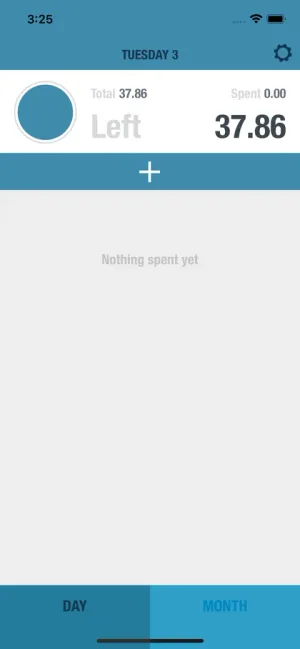
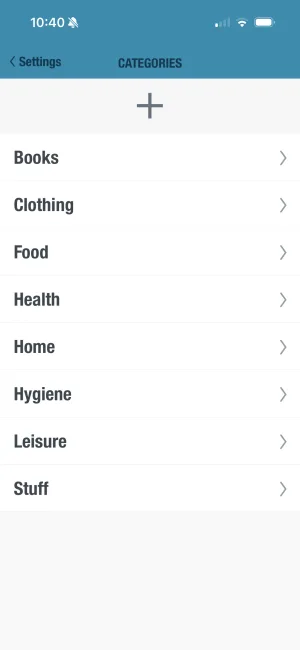
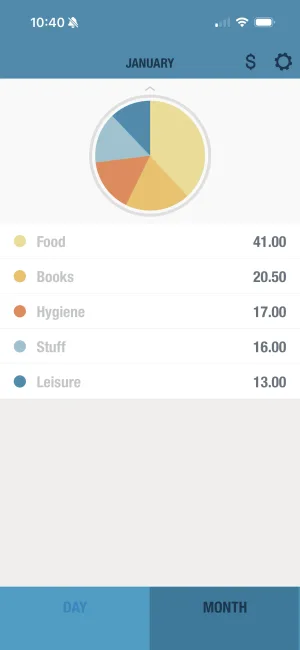
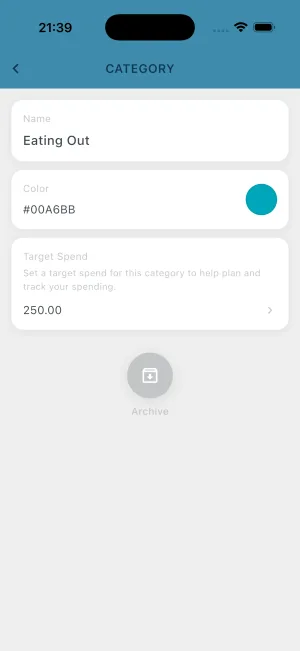
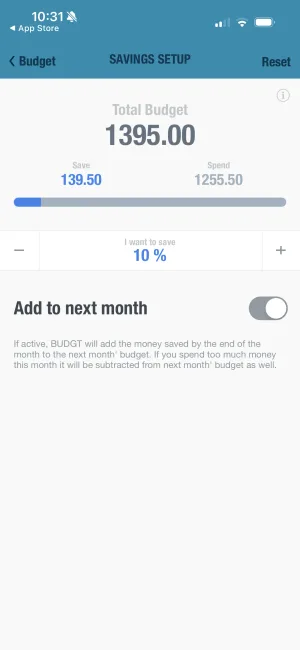
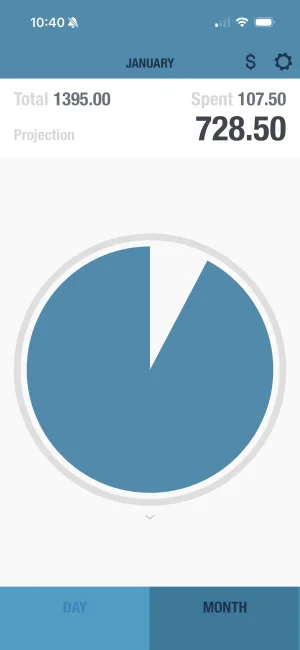
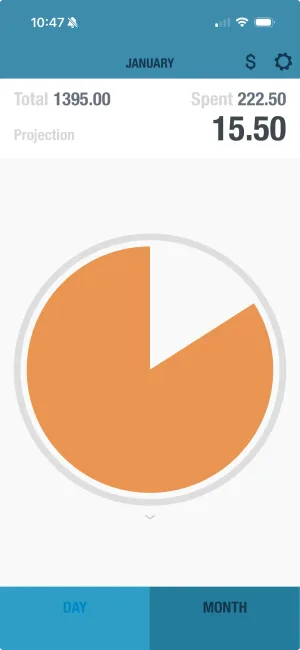
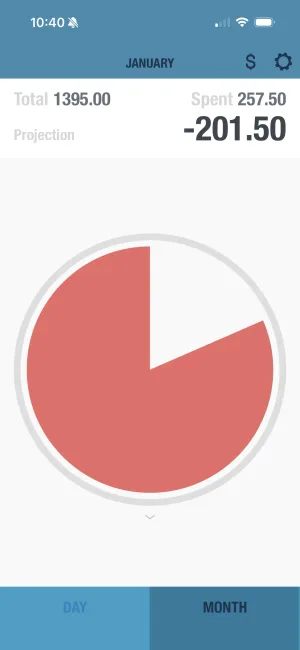
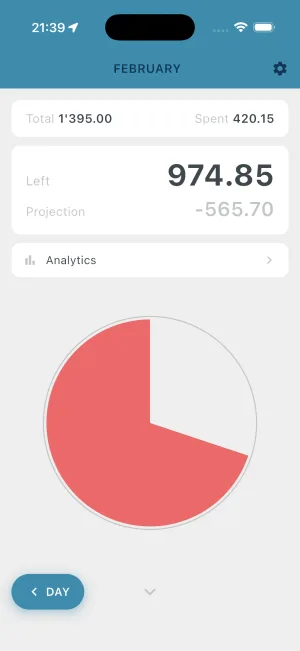
Yes! BUDGT's daily budget philosophy is perfect for family planning. Set aside a small daily amount for family fun, and when you want to do a special activity, you'll have money saved up. The Categories feature lets you separate entertainment spending from essentials, and you can add notes to track which activities your family enjoyed most—so you can repeat the winners.
What are the best free family activities that don't feel cheap?
Nature walks and hikes offer adventure and exercise. Backyard campouts provide excitement right at home. Family game nights create lasting memories. Volunteering together teaches valuable lessons. Local library storytimes, free community festivals, museum free days, and cooking together at home all provide rich experiences without any cost. The secret is building anticipation and treating free activities as special events.
How can I find free community events in my area?
Check your local library's event calendar, visit your city or county's community services website, follow local parks and recreation departments on social media, and look for community bulletin boards at grocery stores and coffee shops. Many towns offer free outdoor concerts, movie nights in the park, and seasonal festivals throughout the year. Sign up for email lists to get notified of upcoming events.
My kids always want expensive activities. How do I say no without disappointing them?
Frame free activities as adventures rather than compromises. Build excitement around backyard camping, nature scavenger hunts, or creating homemade crafts. Involve kids in planning budget-friendly activities so they feel ownership of the choices. Explain that doing more activities more often is better than one expensive outing. Kids often remember the time and attention more than the money spent.
Can family fun activities actually help teach kids about budgeting?
Absolutely! Cooking together teaches meal planning and grocery budgeting. DIY crafts show how creativity can replace spending. Volunteering demonstrates the value of giving time instead of money. When you involve kids in choosing free activities, they learn that fun doesn't require spending—which builds healthy financial habits that last a lifetime.
How do I make free activities feel special instead of like a compromise?
Create rituals and traditions around free activities. Have a special game night snack, take photos during nature walks, create a family adventure journal, or give activities fun names like 'Movie Night Under the Stars' for backyard movie watching. Anticipation matters—talk about upcoming activities throughout the week. The specialness comes from your enthusiasm, not the price tag.
What free activities work best for different age groups?
For toddlers (1-3): sensory play, simple cooking, nature walks with collecting. For preschoolers (3-5): library storytimes, backyard camping, simple crafts. For school-age (6-12): scavenger hunts, cooking challenges, volunteer projects, game tournaments. For teens: hiking, cooking competitions, volunteer work, photography walks. Many activities can be adapted for multiple ages with slight modifications.
How can I entertain kids during school breaks without spending a fortune?
Plan themed weeks around free activities: Nature Week with daily outdoor adventures, Cooking Week with a new recipe each day, Creative Week with different crafts, or Community Week with volunteer projects. Check library summer reading programs (often with prizes), free museum days, and park district events. Having a loose structure prevents the 'I'm bored' spiral that leads to expensive outings.
Is BUDGT available on Android for family budget tracking?
Yes! BUDGT is available on both iOS and Android. Download it from the App Store or Google Play. The app offers a free trial with full functionality so your whole family can try it out. There's no cloud sync required, so all your family's financial data stays private and secure on your device.
Related Articles


Ready to take control of your budget?
Download BUDGT and start tracking your daily spending today.