Emergency Fund vs Sinking Fund: Which Do You Need?
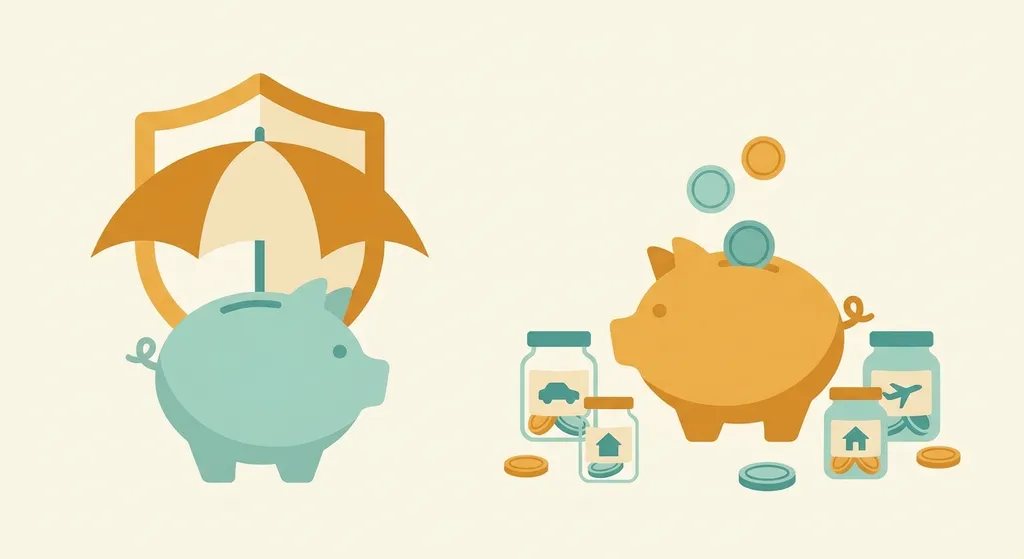
Your car breaks down. Is that an emergency fund expense or a sinking fund expense?
The answer matters more than you might think. These two savings strategies serve completely different purposes, and confusing them leads to either a depleted emergency fund or constant budget stress from “surprise” expenses that weren’t actually surprises.
Let’s clarify exactly what each fund does, how much you need, and how to build both without overwhelming your budget.
The Core Difference
| Emergency Fund | Sinking Fund |
|---|---|
| For unexpected expenses | For expected expenses |
| Things you can’t predict | Things you know are coming |
| Job loss, medical emergency, major repair | Holiday gifts, car maintenance, annual fees |
| Goal: 3-6 months of expenses | Goal: Varies by category |
| One fund for all emergencies | Multiple funds for specific purposes |
The key distinction: Emergency funds protect you from the unpredictable. Sinking funds prevent predictable expenses from feeling like emergencies.
That car breakdown? If it’s routine maintenance (oil change, brake pads, new tires), that’s a sinking fund expense — you knew tires wear out. If your transmission fails unexpectedly at 60,000 miles, that’s an emergency fund expense.
Understanding Emergency Funds
What Emergency Funds Cover
True emergencies share these characteristics:
- Unexpected — You couldn’t have reasonably predicted it
- Urgent — It needs to be addressed immediately
- Necessary — It affects your health, safety, income, or shelter
Examples of real emergencies:
| Emergency | Why It Qualifies |
|---|---|
| Job loss | Unexpected, affects income |
| Medical emergency | Unexpected, urgent, affects health |
| Major car repair (unexpected) | Unexpected, may affect income |
| Essential home repair | Unexpected, affects shelter |
| Family emergency travel | Unexpected, urgent |
Not emergencies (even if they feel urgent):
- Holiday shopping you forgot to budget for
- A sale on something you want
- Routine car maintenance
- Annual insurance premiums
- Replacing a phone you knew was old
How Much Emergency Fund Do You Need?
The standard advice is 3-6 months of expenses, but your situation matters:
| Situation | Recommended Emergency Fund |
|---|---|
| Stable job, dual income, low expenses | 3 months |
| Single income, stable job | 4-5 months |
| Variable income or commission-based | 6+ months |
| Self-employed or freelance | 6-12 months |
| Health issues or job instability | 6+ months |
Calculate your target:
Emergency Fund Target Calculator
Enter your numbers above - results update automatically
Building Your Emergency Fund
Phase 1: Starter Fund ($1,000)
Before anything else, build a $1,000 starter emergency fund. This prevents you from going into debt for small emergencies while you work on other financial goals.
Phase 2: One Month of Expenses
After the starter fund, build to one full month of essential expenses. This provides real breathing room.
Phase 3: Full Target (3-6 Months)
Continue building toward your full target based on your situation. This can happen alongside other goals like sinking fund contributions.
Understanding Sinking Funds
What Sinking Funds Cover
Sinking funds are for expenses that:
- Are predictable — You know they’re coming
- Aren’t monthly — They happen quarterly, annually, or irregularly
- Would strain your budget — Too big to absorb in one month
Common sinking fund categories:
| Category | Typical Annual Cost | Monthly Contribution |
|---|---|---|
| Car maintenance/repairs | $600-1,200 | $50-100 |
| Holiday gifts | $500-1,000 | $42-83 |
| Annual insurance premiums | $1,200-2,400 | $100-200 |
| Vacation | $1,000-3,000 | $83-250 |
| Medical (copays/deductibles) | $500-2,000 | $42-167 |
| Home maintenance | $1,200-2,400 | $100-200 |
| Clothing replacement | $300-600 | $25-50 |
| Pet expenses | $300-800 | $25-67 |
| Technology replacement | $300-600 | $25-50 |
Why Sinking Funds Change Everything
Without sinking funds, “predictable” expenses become budget emergencies:
December without a sinking fund: “I need $800 for holiday gifts! I’ll put it on the credit card and pay it off later.”
December with a sinking fund: “I’ve been saving $67/month all year. I have $800 ready for holiday gifts.”
Same expense. Completely different experience.
How Many Sinking Funds Do You Need?
Start with 2-3 essential categories, then expand:
Beginner (pick 2-3):
- Car maintenance
- Holiday gifts
- Medical expenses
Intermediate (add 2-3 more):
- Vacation
- Annual insurance
- Home/apartment maintenance
Advanced (customize based on your life):
- Pet expenses
- Clothing
- Technology
- Kids’ activities
- Professional development
- Specific large purchases
You don’t need a sinking fund for everything. Focus on expenses that have historically caught you off guard.


Emergency Fund vs Sinking Fund: Real Scenarios
Let’s test your understanding with common situations:
| Scenario | Emergency or Sinking? | Why |
|---|---|---|
| Your car needs new tires | Sinking | Tires wear out predictably |
| Your transmission fails unexpectedly | Emergency | Major unexpected repair |
| December holiday shopping | Sinking | December happens every year |
| Last-minute flight for family funeral | Emergency | Unexpected, urgent |
| Annual car registration | Sinking | Same time every year |
| You’re laid off | Emergency | Unexpected income loss |
| Your dog’s annual vet checkup | Sinking | Predictable annual expense |
| Your dog has emergency surgery | Emergency | Unexpected medical event |
| Property taxes (annual) | Sinking | Same amount, same time each year |
| Hot water heater dies | Emergency | Unexpected, urgent home repair |
The pattern: If you could have seen it coming, it’s a sinking fund expense.
Building Both Funds: A Practical Strategy
Step 1: Emergency Fund First (Starter)
Before any sinking funds, build your $1,000 starter emergency fund. This typically takes 2-4 months of focused saving.
Step 2: Essential Sinking Funds
While continuing to build your emergency fund, start 2-3 essential sinking funds with small contributions:
| Fund | Monthly Minimum |
|---|---|
| Car maintenance | $25 |
| Holiday gifts | $25 |
| Medical expenses | $25 |
Even $75/month across three categories adds up to $900/year of prepared savings.
Step 3: Build Both Simultaneously
A reasonable split once you’re past the starter phase:
| Goal | Percentage of Savings |
|---|---|
| Emergency fund (until 3-6 months) | 50-60% |
| Sinking funds (combined) | 40-50% |
Step 4: Maintain and Adjust
Once your emergency fund hits your target:
- Keep contributing just enough to offset inflation and any withdrawals
- Redirect more toward sinking funds
- Consider adding new sinking fund categories
Where to Keep These Funds
Emergency Fund Location
Your emergency fund should be:
- Accessible — You can get it within 1-2 business days
- Safe — No risk of losing value when you need it
- Earning interest — High-yield savings accounts pay 4-5% currently
Good options: High-yield savings accounts (Ally, Marcus, Discover, etc.)
Avoid: Checking accounts (too easy to spend), CDs (penalties for early withdrawal), investments (could lose value when you need it most)
Sinking Fund Location
Sinking funds have more flexibility:
Option 1: Same high-yield savings, tracked separately
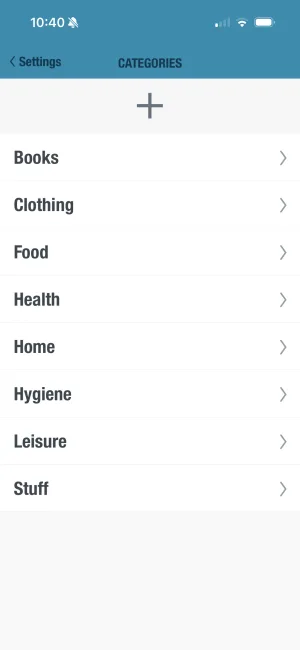
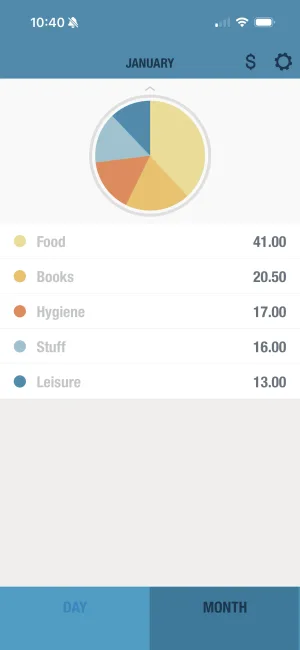
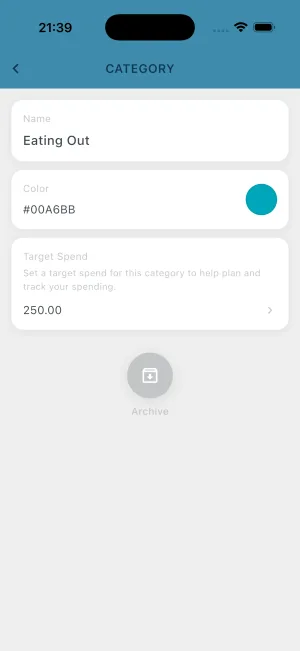
Use a spreadsheet or budgeting app to track how much of your savings belongs to each sinking fund. Simple and earns interest.
Option 2: Separate sub-accounts
Some banks (like Ally or Capital One) let you create multiple savings “buckets.” Each sinking fund gets its own named account.
Option 3: Dedicated sinking fund account
Keep all sinking funds in one account separate from your emergency fund to reduce temptation to “borrow” from emergencies.
Common Questions and Mistakes
”I can’t afford to save for both”
Start smaller. Even $50/month total ($25 emergency, $25 sinking) is better than nothing. As income increases or expenses decrease, increase contributions.
”My emergency fund keeps getting depleted”
This usually means you’re using it for sinking fund expenses. Car tires aren’t an emergency. Holiday shopping isn’t an emergency. Create sinking funds for the expenses that keep “surprising” you.
”I have sinking funds for everything — is that bad?”
Too many funds becomes overwhelming. If you have 15+ sinking funds, consider consolidating into broader categories like “transportation” or “household” instead of micro-categories.
”What if I overfund a sinking fund?”
Great problem to have. Roll the excess into next year’s fund, move it to another sinking fund that’s behind, or transfer to your emergency fund.
”Should I use my emergency fund for a ‘good’ opportunity?”
No. A vacation deal, investment opportunity, or sale isn’t an emergency. That’s what separate savings goals or sinking funds are for.
Your Action Plan
This week:
- Calculate your essential monthly expenses
- Determine your emergency fund target (3-6 months)
- List expenses that repeatedly “surprise” your budget
This month:
- Open a high-yield savings account if you don’t have one
- Start or continue your $1,000 starter emergency fund
- Identify your first 2-3 sinking fund categories
Ongoing:
- Automate monthly transfers to emergency and sinking funds
- Track each sinking fund balance separately
- Review and adjust categories quarterly
The Payoff
Building both an emergency fund and sinking funds takes time, but the payoff is transformational:
- No more debt spirals from unexpected expenses
- No more budget panic when predictable expenses arrive
- Lower financial stress because you’re prepared
- Faster progress on other goals because you’re not constantly recovering from “emergencies”
The goal isn’t just to have money set aside. It’s to have the right money set aside for the right purposes — so true emergencies don’t derail you, and predictable expenses never feel like emergencies again.
Frequently Asked Questions
What is the difference between an emergency fund and a sinking fund?
An emergency fund covers unexpected expenses like job loss, medical bills, or car breakdowns — things you can't predict. A sinking fund saves for expected expenses like holiday gifts, car maintenance, or annual insurance premiums — things you know are coming but don't pay monthly.
How much should I have in my emergency fund?
Most experts recommend 3-6 months of essential expenses in your emergency fund. Start with a $1,000 starter fund, then build toward one month of expenses, then continue to your full target. Those with variable income or less job security should aim for the higher end (6 months or more).
What are common sinking fund categories?
Common sinking fund categories include: car maintenance and repairs, holiday and gift spending, annual insurance premiums, vacation savings, home repairs, medical copays and deductibles, clothing replacement, pet expenses, and technology upgrades.
Should I build my emergency fund or sinking funds first?
Build a $1,000 starter emergency fund first, then work on essential sinking funds (car repairs, medical expenses), then continue building your emergency fund to 3-6 months while maintaining sinking fund contributions. The starter fund prevents you from going into debt for small emergencies while you build longer-term savings.
Where should I keep my emergency fund and sinking funds?
Keep your emergency fund in a high-yield savings account — accessible but not too easy to spend. Sinking funds can be kept in the same high-yield account with separate tracking, or in sub-accounts if your bank offers them. Don't invest emergency funds in the stock market as you may need the money when markets are down.
How do I start sinking funds when I'm living paycheck to paycheck?
Start small with just one sinking fund for your most predictable expense (like holiday gifts or car registration). Even $10-20 per month adds up. As your budget stabilizes, add more categories. The goal is to stop being surprised by expenses you knew were coming.
Related Articles



Ready to take control of your budget?
Download BUDGT and start tracking your daily spending today.