Geographic Arbitrage: Living Well for Less in a New City

What if you could keep your salary but cut your expenses in half?
That’s the promise of geographic arbitrage — earning income from high-cost areas while living somewhere significantly cheaper. For those pursuing financial independence, it’s one of the most powerful accelerators available.
What is Geographic Arbitrage?
Geographic arbitrage exploits the gap between where money is earned and where it’s spent. The classic example: a software engineer earning $150,000 in San Francisco moves to Boise, Idaho — keeping the remote job but cutting housing costs by 60%.
The math is compelling:
Monthly Housing Costs by City
Housing is the biggest lever, but everything else compounds: groceries, dining, entertainment, childcare, taxes. A family spending $8,000/month in a coastal city might spend $4,500 for an equivalent lifestyle elsewhere.
The FIRE Accelerator Effect
For those pursuing financial independence, geographic arbitrage doesn’t just save money — it dramatically shortens the timeline.
Geo-Arbitrage Savings Impact
Enter your numbers above - results update automatically
If you save an extra $2,000/month through geo-arbitrage, that’s $24,000/year. At a 7% return, that extra savings alone grows to over $330,000 in 10 years.
Three Types of Geographic Arbitrage
1. Domestic Relocation
Moving within your country to a lower-cost region. USA examples:
- San Francisco → Austin: Tech scene, no state income tax, 40% lower housing
- New York → Raleigh: East coast proximity, 50% lower costs
- Los Angeles → Denver: Outdoor lifestyle, 30% lower expenses
- Boston → Pittsburgh: Affordable cities with good healthcare and culture
Advantages: Same currency, language, no visa issues, easier family visits Challenges: Some costs (Amazon, subscriptions) don’t decrease
2. International Relocation
Moving abroad to dramatically lower-cost countries:
- Portugal: Digital nomad visa, EU access, 50-60% lower costs
- Mexico: Close to US, Spanish immersion, 60-70% lower costs
- Thailand: Extremely low costs, established expat community
- Colombia: Medellín is a digital nomad hub, 70% lower costs
Advantages: Largest savings potential, cultural adventure Challenges: Visa complexity, healthcare navigation, family distance
3. Temporary Arbitrage
Not permanent relocation but strategic periods abroad:
- Sabbatical years: Take a year in a cheap country to boost savings
- Slow travel: Move every 1-3 months through low-cost regions
- Seasonal: Winters in Mexico, summers at home
Advantages: Flexibility, no permanent commitment Challenges: Tax complexity, maintaining home base costs
Calculating Your Arbitrage Opportunity
Before relocating, calculate the true savings:
Cost Categories to Compare
| Category | High-Cost City | Target City | Monthly Savings |
|---|---|---|---|
| Housing | $3,000 | $1,500 | $1,500 |
| Groceries | $800 | $500 | $300 |
| Dining out | $400 | $200 | $200 |
| Transportation | $500 | $300 | $200 |
| Healthcare | $400 | $300 | $100 |
| Entertainment | $300 | $150 | $150 |
| Total | $5,400 | $2,950 | $2,450 |
Don’t Forget Hidden Costs
- Travel home: Budget for 2-4 trips/year to visit family
- Setup costs: Security deposits, furniture, visa fees
- Income adjustment: Some employers adjust pay for lower-cost areas
- Tax implications: State/country taxes may differ
Making Remote Work Permanent
Geographic arbitrage depends on location-independent income. Here’s how to secure it:
If Your Job Could Be Remote
- Prove productivity: Document your output while working from home
- Propose a trial: Ask for 3-6 months fully remote
- Address concerns proactively: Availability, time zones, communication
- Negotiate gradually: Start with one week/month remote, expand from there
If You Need a New Remote Job
Focus on industries with established remote culture:
- Technology and software development
- Digital marketing and content
- Customer success and support
- Design and creative work
- Finance and accounting
Look for “remote-first” companies, not just “remote-friendly” ones.
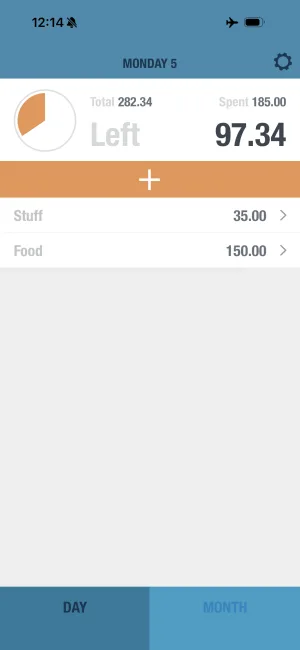
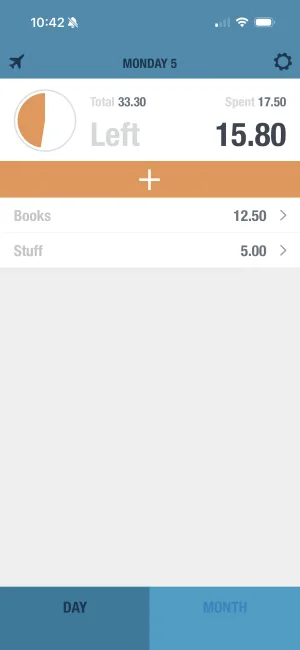
The Daily Budget After Relocation
Once you move, your daily spending limit transforms. A daily budget that felt restrictive in San Francisco becomes comfortable in Austin:

Same income, lower expenses = either:
- Higher daily budget with the same savings rate
- Same daily budget with a much higher savings rate
- Some combination of both
Most geo-arbitrageurs choose to boost savings rate while slightly improving lifestyle — the sweet spot of intentional living.
Real Examples: Before and After
Example 1: Tech Worker — SF to Austin
Before (San Francisco):
- Salary: $180,000
- Monthly expenses: $7,500
- Monthly savings: $4,500 (36% savings rate)
- Daily discretionary budget: $83
After (Austin):
- Salary: $180,000 (kept full remote pay)
- Monthly expenses: $4,800
- Monthly savings: $7,200 (48% savings rate)
- Daily discretionary budget: $93
Result: $2,700/month more savings, slightly higher daily budget, better quality of life (larger home, less traffic).
Example 2: Marketing Manager — NYC to Lisbon
Before (New York):
- Salary: $95,000
- Monthly expenses: $5,200
- Monthly savings: $1,500 (19% savings rate)
- Daily discretionary budget: $50
After (Lisbon):
- Salary: $95,000 (remote for US company)
- Monthly expenses: $2,800
- Monthly savings: $4,000 (50% savings rate)
- Daily discretionary budget: $60
Result: More than doubled savings rate, higher daily budget, beach access, walkable city.
Challenges and How to Handle Them
Time Zone Differences
If working for a US company from abroad:
- Overlap hours: Ensure 4-6 hours of overlap with your team
- Async communication: Get good at written updates and documentation
- Strategic location: Portugal/UK work well for US East Coast; Latin America for any US time zone
Healthcare Abroad
- International health insurance: Plans like SafetyWing or Cigna Global
- Local insurance: Often very affordable (Portugal: ~€40/month)
- Medical tourism: Some countries have excellent, affordable healthcare
Social Connections
The hardest part of relocation isn’t financial — it’s social:
- Expat communities: Facebook groups, Meetup, InterNations
- Coworking spaces: Built-in social scene
- Language classes: Meet locals and other learners
- Sports/hobbies: Universal connector
Family Considerations
If you have kids:
- International schools: Can be expensive, research costs
- Local schools: Great for language immersion, cultural integration
- Homeschooling: Increasingly popular among geo-arbitrage families
Is Geographic Arbitrage Right for You?
Good candidates:
- Remote workers or those who can negotiate remote
- No strong ties keeping you in an expensive city
- Adventurous and adaptable
- Willing to trade familiarity for financial acceleration
- Pursuing FIRE and looking for shortcuts
Maybe not right for:
- Strong family obligations in current location
- Career requires in-person presence
- Not comfortable with uncertainty
- Partner not on board
- Kids in critical school years
Start Small: The Test Run
Before committing to a permanent move:
- Work remotely for 2-4 weeks from your target city
- Track all expenses to verify cost savings
- Experience daily life: grocery shopping, commuting, social activities
- Talk to locals and expats about the reality
- Calculate true costs including travel home
The Path Forward
Geographic arbitrage is one of the most powerful wealth-building strategies available — especially combined with remote work. It’s not about deprivation; it’s about optimization.
The question isn’t whether it saves money — it clearly does. The question is whether the trade-offs work for your life.
For many pursuing financial independence, the math is too compelling to ignore. The same lifestyle, the same career, dramatically accelerated timeline to freedom.
Your daily budget in San Francisco might feel tight. That same daily budget in Lisbon? It’s comfortable. And you’re saving twice as much.
That’s the power of geographic arbitrage.
Frequently Asked Questions
What is geographic arbitrage?
Geographic arbitrage means earning income from a high-cost-of-living area while living in a low-cost area. Remote workers earning San Francisco salaries while living in Boise, or digital nomads earning US dollars while living in Portugal, are practicing geo-arbitrage.
How much can you save with geographic arbitrage?
Savings vary dramatically by location. Moving from San Francisco to Austin might save $1,500/month on housing alone. Moving from New York to Lisbon could cut living expenses by 50-60%. The savings accelerate wealth building significantly.
Is geographic arbitrage only for remote workers?
Remote work makes it easiest, but not exclusively. Some people negotiate remote arrangements, others find equivalent jobs in lower-cost cities, and retirees can relocate anywhere. The key is that income doesn't proportionally decrease with cost of living.
Related Articles



Ready to take control of your budget?
Download BUDGT and start tracking your daily spending today.