Side Hustle FIRE: Budgeting with Variable Income

The FIRE community loves to talk about savings rates. “Save 50% of your income!” they say.
But what if your income changes every month? What if March brings $8,000 and April brings $3,000? How do you save 50% of… chaos?
Side hustle FIRE is absolutely achievable — but it requires different strategies than the traditional W-2 path.
The Variable Income Challenge
Typical Freelancer Monthly Income Variation
Traditional budgeting assumes predictable income: $5,000 lands in your account on the 1st and 15th. You allocate it. Done.
Variable income breaks this model:
- You don’t know what’s coming
- Big months tempt lifestyle inflation
- Lean months create panic
- Taxes aren’t withheld automatically
- Planning feels impossible
But here’s the secret: you can create predictability from unpredictability.
The Baseline Budget Method
The most effective approach for variable income earners:
Step 1: Find Your Floor
Look at your last 12 months of income. What’s the lowest month you’d reasonably expect? That’s your baseline.
If your income ranged from $3,000 to $9,000, your baseline might be $3,500 — a realistic floor, not the absolute worst case.
Step 2: Budget on the Floor
Create your budget assuming you’ll earn your baseline every single month:
Baseline Budget Calculator
Enter your numbers above - results update automatically
If you can cover expenses and save something on your worst months, you’ll thrive on your best months.
Step 3: Create a Buffer Account
This is the magic piece. All income flows into a buffer account (a separate checking or savings account). From the buffer, you pay yourself a consistent “salary” — your baseline amount.
When income exceeds baseline, the buffer grows. When income falls short, the buffer covers the gap. You experience consistent cash flow regardless of what clients actually pay.
Step 4: Sweep Excess to Savings
When your buffer exceeds 2-3 months of baseline income, sweep the excess to investments. This is your FIRE accelerator — the variable income advantage.
The Tax Set-Aside System
Nothing derails side hustle FIRE faster than a surprise tax bill. Freelancers and gig workers must handle their own taxes.
The Immediate Transfer Rule
The moment money hits your account:
- Calculate 25-30% (adjust for your bracket)
- Transfer that amount to a dedicated tax savings account
- Never touch it except for quarterly estimated payments
Example: You receive $5,000 for a project. Immediately transfer $1,500 to your tax account. Budget and save from the remaining $3,500.
Quarterly Estimated Payments
Self-employed individuals typically must pay estimated taxes quarterly:
- April 15
- June 15
- September 15
- January 15
Use IRS Form 1040-ES or tax software to calculate. Underpaying triggers penalties.
The Self-Employment Tax Reality
Self-employed workers pay both employee AND employer portions of Social Security and Medicare — 15.3% on top of income tax. This is why 25-30% isn’t excessive.
Building Your Side Hustle FIRE System
Calculate your baseline income
Lowest realistic monthly income based on past year
Set up three accounts
Operating (buffer), Tax savings, Investment/savings
Route all income to buffer
Every payment goes here first
Pay yourself baseline monthly
Consistent transfer to checking for spending
Transfer 30% to tax account
Immediately when income arrives
Sweep excess to investments
When buffer exceeds 2-3 months baseline
The Three-Account System
| Account | Purpose | Target Balance |
|---|---|---|
| Buffer/Operating | Income smoothing | 2-3 months baseline |
| Tax Savings | Quarterly estimated payments | Next quarter’s estimate |
| Investment | FIRE savings | Grows continuously |
Your checking account for daily spending receives a consistent “paycheck” from the buffer — you’ve essentially created a W-2 experience from freelance chaos.
Calculating Your Side Hustle FIRE Number
The standard FIRE formula still applies: Annual expenses × 25 = FIRE number
But side hustlers have unique considerations:
Healthcare Costs
Without employer coverage, budget for marketplace insurance or private coverage. This can be $500-1,500/month for a family — a significant expense W-2 employees often overlook.
Tax Efficiency in Retirement
Self-employed individuals have access to powerful retirement accounts:
| Account | 2026 Limit | Tax Treatment |
|---|---|---|
| SEP-IRA | 25% of net earnings (up to $69,000) | Traditional (tax-deferred) |
| Solo 401(k) | $23,000 employee + employer match | Traditional or Roth |
| Traditional IRA | $7,000 | Tax-deferred |
| Roth IRA | $7,000 | Tax-free growth |
A solo 401(k) with both employee and employer contributions can shelter $69,000+ annually — far more than W-2 employees can access.
The Barista FIRE Advantage
Side hustlers are naturally positioned for Barista FIRE — they already have income-generating skills outside traditional employment. Post-FIRE, maintaining a small client base for healthcare or fun money is seamless.
Managing Feast and Famine
During Feast Months
When a big month arrives, resist the urge to celebrate with spending:
- Tax set-aside first — 30% to tax account
- Buffer top-up — Ensure 2-3 months baseline
- Debt payoff — If carrying high-interest debt
- Investment sweep — Everything else to FIRE accounts
The psychological discipline: treat windfalls as normal. Your daily budget doesn’t change just because a big check arrived.
During Famine Months
When income drops below baseline:
- Draw from buffer — That’s what it’s for
- Maintain normal spending — Don’t panic-cut
- Evaluate pipeline — Is this temporary or structural?
- Avoid debt — Never finance a slow month with credit cards
If famine months become frequent, your baseline may need adjustment downward.
Side Hustle + W-2: The Hybrid Path
Many FIRE seekers combine traditional employment with side income:
The Acceleration Strategy
- W-2 covers baseline expenses and provides benefits
- Side hustle income goes 100% to savings
- Effective savings rate skyrockets
Example: $60,000 W-2 salary covers all expenses. $20,000 side hustle income goes entirely to investments. That’s a 25% savings rate on total income — but the side hustle itself has a 100% savings rate.
Tax Optimization
Side hustle income can fund retirement accounts beyond W-2 limits:
- Max out 401(k) at day job ($23,000)
- Fund SEP-IRA with side hustle profits
- Total tax-advantaged savings: $50,000+
Common Side Hustle FIRE Mistakes
1. Treating Variable Income as Fixed
Don’t budget assuming your best month is normal. The $8,000 month isn’t your income — your baseline is.
2. Forgetting Taxes
Every dollar of side hustle income is taxable. The $5,000 project is really $3,500 after taxes. Plan accordingly.
3. Lifestyle Creep on Big Months
A $10,000 month doesn’t mean $10,000 of spending capacity. It means your buffer grows and your FIRE date moves closer.
4. Skipping the Buffer
Going straight from income to spending creates chaos. The buffer account is non-negotiable for variable income FIRE.
5. Undervaluing Benefits
When comparing side hustle income to W-2, remember: employers pay half your payroll taxes, often subsidize healthcare, and may match retirement contributions. A $100,000 W-2 job might equal $130,000+ in freelance revenue.
The Daily Budget Connection
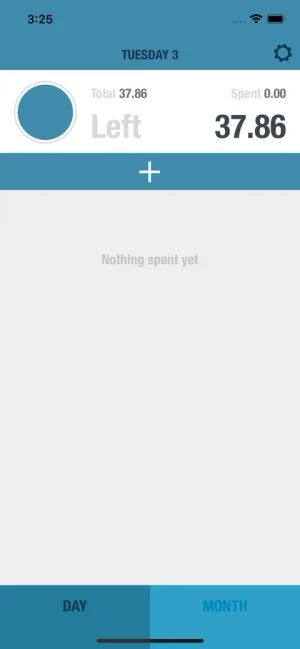
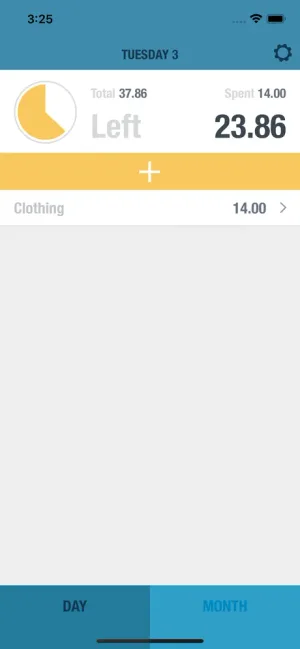
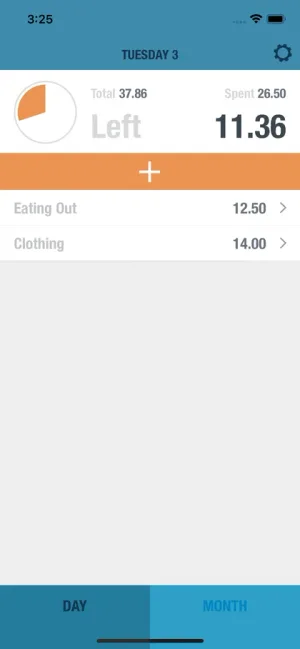
With variable monthly income, a daily budget becomes even more powerful:
- Your daily number stays consistent regardless of this month’s income
- Big months don’t inflate daily spending
- Slow months don’t require painful cuts
- You maintain FIRE-compatible spending automatically
The buffer account creates the consistency; the daily budget enforces the discipline.
Action Steps for Side Hustle FIRE
- Calculate your baseline — Review 12 months of income, find your realistic floor
- Open a buffer account — Separate from checking and savings
- Set up tax savings — Automatic 25-30% transfer on every payment
- Create your baseline budget — Expenses covered on worst-case income
- Establish the sweep rule — Buffer exceeds 3 months? Invest the excess
- Track daily, not monthly — Daily budget provides consistency
Variable income doesn’t prevent FIRE — it just requires a system. Build the system, and the path to financial independence becomes clear regardless of what this month’s checks total.
Frequently Asked Questions
Can you pursue FIRE with irregular income?
Yes. Many FIRE achievers have variable income from freelancing, consulting, or side hustles. The key is building a baseline budget on your minimum expected income, smoothing cash flow with a buffer account, and treating windfalls as savings acceleration rather than lifestyle inflation.
How much should freelancers set aside for taxes?
A common rule is 25-30% of gross income for US freelancers (covering federal, state, and self-employment tax). Create a separate tax savings account and transfer this percentage immediately when paid. Adjust based on your actual tax bracket and state.
What's the best budgeting method for variable income?
The baseline budget method works well: budget based on your lowest expected monthly income, funnel all income through a buffer account, pay yourself a consistent 'salary' from the buffer, and sweep excess to savings. This creates stability from chaos.
Related Articles



Ready to take control of your budget?
Download BUDGT and start tracking your daily spending today.