One-Income FIRE: Reaching Financial Independence on a Single Salary

The FIRE community often showcases dual-income tech couples saving 70% of their combined $300,000 income. It’s inspiring, but not relatable for everyone.
What about families where one parent stays home? Single parents? Households that have chosen — or circumstances that require — living on a single income?
FIRE is still achievable. It just looks different.
Why One-Income FIRE Is Different
Single vs Dual Income FIRE Challenges
Single-income households face real constraints:
- Less raw income to save
- One job loss = zero income
- Often higher expenses (childcare savings aside)
But they also have advantages many overlook:
- Time to optimize expenses (meal prep, DIY, deal hunting)
- Often already living lean
- Lower FIRE number (lifestyle already designed for one income)
- Tax efficiency (lower tax bracket, spousal IRA contributions)
Calculating Your One-Income FIRE Number
The standard FIRE formula still applies: Annual expenses × 25 = FIRE number
But single-income households often have lower annual expenses than dual-income families:
Your One-Income FIRE Number
Enter your numbers above - results update automatically
A family spending $4,000/month needs $1.2 million. That’s achievable on a single $80,000 salary with discipline and time.
The One-Income Advantage: Time
The non-working spouse’s time is an asset often undervalued in FIRE calculations.
Time Converts to Money
| Activity | Monthly Value | Annual Value |
|---|---|---|
| Meal prep (no takeout) | $400-800 | $4,800-9,600 |
| Childcare (vs daycare) | $1,000-2,500 | $12,000-30,000 |
| Home maintenance/DIY | $200-400 | $2,400-4,800 |
| Smart shopping/couponing | $100-300 | $1,200-3,600 |
| Financial management | $50-100 | $600-1,200 |
| Total potential value | $1,750-4,100 | $21,000-49,200 |
A stay-at-home parent providing $25,000+ in annual value is effectively earning a tax-free salary. That “single income” family might actually have the equivalent of 1.3-1.5 incomes when accounting for time-to-money conversion.
Maximizing the Single Income
When you only have one income, optimizing it matters more:
1. Career Growth is Non-Negotiable
The working spouse needs to prioritize:
- Regular promotions and raises
- Skills development
- Strategic job changes for income bumps
- Understanding full compensation (401k match, HSA, benefits)
A 10% raise on a single income has double the impact versus a dual-income household.
2. Tax Efficiency Matters More
Single-income households often fall into lower tax brackets, enabling strategies like:
Roth conversions: Convert traditional retirement funds to Roth during low-income years
Spousal IRA contributions: The working spouse can contribute to an IRA for the non-working spouse ($7,000/year in 2026)
Tax gain harvesting: Sell investments in the 0% capital gains bracket (up to ~$89,250 for married filing jointly in 2026)
3. Benefits Optimization
Maximize workplace benefits:
- Full 401(k) match (this is a 50-100% return)
- HSA contributions (triple tax advantage)
- Life insurance and disability (more critical with single income)
- Dependent care FSA if applicable

The Savings Rate Reality
Can you save 50% on a single income? Many do. Here’s how:
Housing: The Biggest Lever
Housing is typically 25-35% of expenses. Single-income FIRE families often:
- Live in lower cost-of-living areas
- House hack (rent out rooms, live in multi-family)
- Stay in “starter homes” longer
- Live with extended family (multigenerational housing)
Target: Keep housing under 25% of take-home pay.
Transportation: One Car or None
Dual-income families often need two cars. Single-income families can often:
- Live with one car (or none in urban areas)
- Choose housing near the working spouse’s job
- Use the non-working spouse for errands during off-peak hours
Target: Under 10% of take-home pay.
Food: Time Creates Savings
The non-working spouse’s time is the food budget hack:
- Meal prep and batch cooking
- No rushed takeout decisions
- Time to shop sales and use coupons
- Home-cooked from scratch
Target: $400-600/month for a family of four.
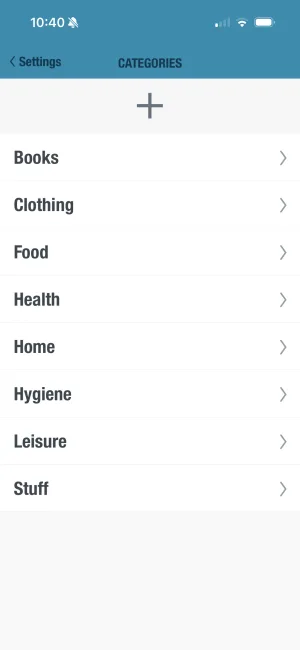
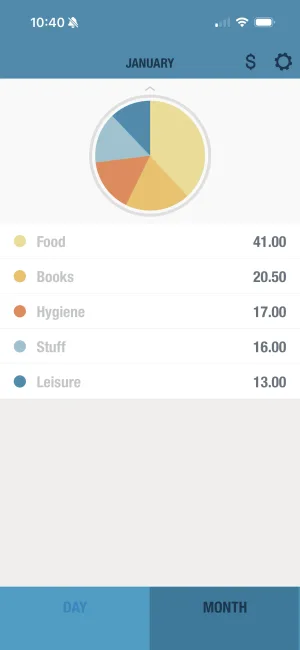

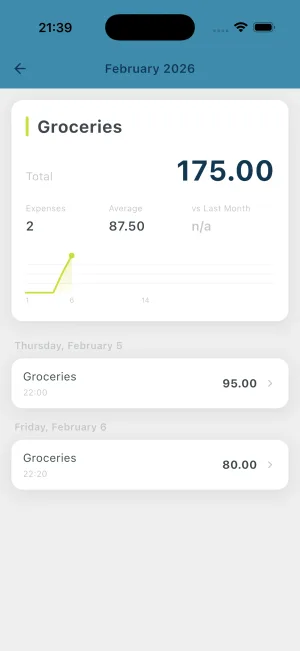
Building the Safety Net
Single-income households have concentrated risk. One job loss means zero income. The safety net needs to be stronger:
Emergency Fund: 6-12 Months
Standard advice is 3-6 months. For single-income families, 6-12 months provides real security:
- More time to find the right job (not just any job)
- Buffer for salary negotiation
- Peace of mind that reduces stress
Disability Insurance
The working spouse should have disability insurance — ideally through employer and supplemental private coverage. If the earner can’t work, the family needs protection.
Skills Maintenance
The non-working spouse should maintain marketable skills:
- Part-time or freelance work (even just a few hours/week)
- Certifications and continuing education
- Network maintenance
This provides a backup income source if needed and preserves future earning potential.
Single Parent FIRE
Single parents pursuing FIRE face the ultimate challenge: one income, full expenses, and no time advantage.
Strategies for Single Parents
-
Income maximization: Career growth is everything. Invest in yourself.
-
Community building: Other single parents for childcare swaps, shared expenses
-
Geographic arbitrage: Consider relocating to lower cost-of-living areas
-
Kid participation: Age-appropriate money conversations, kids help with household tasks
-
Extended family: If available, multigenerational support is invaluable
Single parent FIRE timelines are often longer, but the goal of financial security becomes even more meaningful.
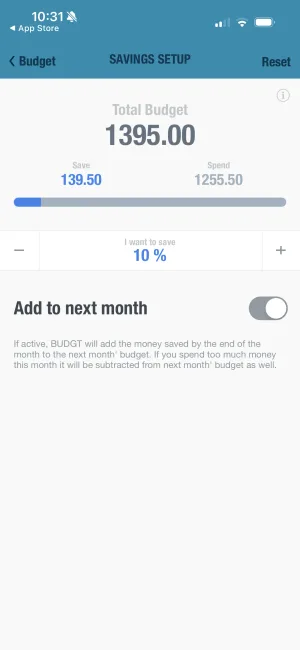
Case Study: $80K Single Income
The Situation:
- Family of four
- One earner making $80,000
- Stay-at-home parent
- MCOL (medium cost of living) area
The Budget:
| Category | Monthly | % of Net |
|---|---|---|
| Take-home pay | $5,300 | 100% |
| Housing | $1,300 | 25% |
| Food | $550 | 10% |
| Transportation | $400 | 8% |
| Insurance/Medical | $300 | 6% |
| Utilities | $200 | 4% |
| Kids | $150 | 3% |
| Misc/Fun | $300 | 6% |
| Total Expenses | $3,200 | 60% |
| Savings | $2,100 | 40% |
The Math:
- Annual savings: $25,200
- Annual expenses: $38,400
- FIRE number (25x): $960,000
- Tax-advantaged savings: $23,500 (401k) + $7,000 (spousal IRA) = $30,500/year possible
- Time to FIRE at 7% return: ~18 years
Is 40% savings rate possible on $80K with a family of four? Yes — but it requires intentional choices in housing, transportation, and lifestyle.
Accelerating One-Income FIRE
If the timeline feels too long, here are accelerators:
The Non-Working Spouse’s Side Income
Even 5-10 hours/week of work can add $500-1,000/month:
- Freelancing during nap time
- Weekend tutoring
- Seasonal work
- Home-based business
This isn’t abandoning the one-income lifestyle — it’s strategic supplementation that dramatically shortens the timeline.
Kids Get Older
As children age:
- Childcare need decreases
- The non-working spouse can increase work hours
- Kids can contribute to household tasks
- Teen employment adds another income stream
Many one-income FIRE families transition to 1.5 incomes as kids reach school age.
Lean FIRE vs Full FIRE
Consider Lean FIRE first:
- Lower target ($600K vs $1.2M)
- Working spouse transitions to part-time or lower-stress work
- Reaches freedom faster
- Can always build to full FIRE from there
The One-Income FIRE Mindset
Pursuing FIRE on a single income requires accepting some trade-offs:
What you give up:
- Faster timelines
- Margin for error in spending
- Keeping up with dual-income peers
What you gain:
- Time with family
- Lower stress (often)
- Already-lean lifestyle that works in retirement
- Spouse available for household optimization
The families who succeed at one-income FIRE aren’t just frugal — they’ve designed a life where the non-working spouse’s time creates genuine value.
Action Steps
Calculate your FIRE number
Annual expenses × 25 (adjust for your risk tolerance)
Maximize the single income
Career growth, full benefits utilization, tax efficiency
Quantify time-to-money conversion
Value the non-working spouse's contributions
Build a 6-12 month emergency fund
Single income = more safety net needed
Consider strategic part-time work
Even 5-10 hours/week can accelerate timeline significantly
FIRE on a single income isn’t as flashy as the dual-income tech couple stories. But it’s real, it’s achievable, and for many families, it’s the right path.
The math works. The question is whether you’re willing to do the work.
Frequently Asked Questions
Is FIRE possible on a single income?
Yes. Many families achieve FIRE on one income by optimizing expenses ruthlessly, maximizing the working spouse's income, leveraging the non-working spouse's time for savings, and often achieving lower FIRE numbers due to already lean lifestyles.
How do you save 50% on a single income?
High savings rates on single incomes come from: housing hacking (house sharing, multi-generational living), car-free or one-car living, DIY everything (the stay-home partner's contribution), and lifestyle design that prioritizes time over spending.
What if the working spouse loses their job?
Single-income households should prioritize emergency funds (6-12 months vs 3-6). The non-working spouse can often return to work faster than finding a new job. Some families maintain the non-working spouse's skills through part-time or freelance work.
Related Articles



Ready to take control of your budget?
Download BUDGT and start tracking your daily spending today.