Grocery Budget Hacks for Summer 2026: Save More, Eat Well

Summer is supposed to be relaxing. Your grocery budget disagrees.
Kids are home all day (and eating everything). The heat makes cooking miserable. Convenience foods look very tempting. And somehow your grocery spending spikes right when you’re also paying for camps, vacations, and summer activities.
Here’s how to fight back.
Why Summer Groceries Cost More
Before fixing the problem, understand it:
| Summer Factor | Budget Impact |
|---|---|
| Kids home all day | +20-30% on snacks and meals |
| More entertaining | +15-25% on food for guests |
| Heat avoidance | +10-20% on convenience foods |
| Vacation disruption | Irregular shopping, more waste |
| Summer produce temptation | Impulse buys at farmers markets |
Average Monthly Grocery Spending
The goal: get summer spending below your normal average, not above it.
Hack #1: Master Seasonal Produce
Summer produce is abundant and cheap — if you buy the right things at the right time.
What’s Cheapest When
| Month | Best Deals |
|---|---|
| June | Berries, cherries, early corn, zucchini |
| July | Tomatoes, peppers, watermelon, peaches |
| August | Corn (peak!), melons, late berries, eggplant |
The Seasonal Strategy
| Do This | Instead of This |
|---|---|
| Buy tomatoes by the pound in July | Pay premium for hothouse tomatoes year-round |
| Stock up on berries at peak | Buy imported berries in spring |
| Freeze summer produce for fall | Let seasonal abundance go to waste |
Hack #2: The Farmers Market Strategy
Farmers markets can be cheaper — if you shop smart.
Go near closing time
Vendors discount to avoid taking produce home. Last hour is deal time.
Buy imperfect produce
Ugly tomatoes taste the same. Ask for 'seconds' at a discount.
Skip the trendy items
Artisan bread and specialty cheese blow budgets. Focus on produce.
Bring cash and a list
Limits impulse buying. Leave cards at home.
Farmers Market vs. Grocery Store
| Item | Farmers Market | Grocery Store | Winner |
|---|---|---|---|
| Peak-season tomatoes | $2/lb | $3/lb | Farmers market |
| Berries (in season) | $4/pint | $5/pint | Farmers market |
| Eggs | $6/dozen | $4/dozen | Grocery store |
| Specialty items | $$$$ | $$$ | Grocery store |
Rule: Buy seasonal produce at farmers markets, everything else at the grocery store.
Hack #3: Beat the Heat Cheap
When it’s too hot to cook, expensive convenience foods beckon. Fight back:
No-Cook Meals Under $5
| Meal | Approximate Cost | Prep Time |
|---|---|---|
| Greek salad + pita | $4 | 10 min |
| Caprese with bread | $5 | 5 min |
| Hummus + veggie plate | $4 | 5 min |
| Cold pasta salad | $3 | 15 min (prep ahead) |
| Wraps with deli meat | $4 | 5 min |
Smart Grilling
Grilling keeps heat outside. Make it budget-friendly:
| Budget Grill Option | Cost per Serving |
|---|---|
| Chicken thighs (not breasts) | $1.50 |
| Hot dogs + burgers | $1.25 |
| Grilled vegetables | $0.75 |
| Kabobs (meat + veg stretch) | $2.00 |
Avoid: Steaks, pre-made patties, pre-marinated meats (marked up 50%+).
Hack #4: Solve the Summer Snack Problem
Kids home = snacks disappearing at alarming rates.
The Snack System
| Strategy | How It Works |
|---|---|
| Snack schedule | Set times (10am, 3pm) instead of all-day grazing |
| Snack bins | Pre-portioned containers — “this is your snack for today” |
| Make it visible | Cut fruit, portion crackers — grab-ready beats packages |
| Bulk buy, portion yourself | Big bags + small containers = 50% savings |
DIY vs. Store-Bought
| Snack | Store-Bought | DIY Version | Savings |
|---|---|---|---|
| Popsicles | $5/box (12) | $1 (juice + molds) | 80% |
| Trail mix | $8/lb | $4/lb (bulk bins) | 50% |
| Fruit cups | $4/pack (4) | $2 (fresh fruit + containers) | 50% |
| Lemonade | $4/jug | $0.50 (homemade) | 87% |
Hack #5: Free Summer Food Programs
Many communities offer free meals for kids during summer. This isn’t just for low-income families — programs vary.
| Program Type | How to Find |
|---|---|
| Summer meal sites | Text “FOOD” to 304-304 or visit fns.usda.gov/meals4kids |
| Library programs | Local library often has free snacks |
| Park district programs | Check your local parks department |
| Church programs | Many offer free community meals |
No shame in using these — they exist to help families.
Hack #6: Prep Once, Eat All Week
Summer heat kills motivation to cook. Batch prep on Sunday when it’s (relatively) cooler.
The Summer Batch Prep Menu
| Prep Item | Makes | Good For |
|---|---|---|
| Large pasta salad | 8 servings | Lunches, side dishes |
| Cut fruit in containers | 5 days worth | Grab-and-go snacks |
| Grilled chicken (plain) | 10+ servings | Salads, wraps, sandwiches |
| Homemade popsicles | 12+ | Afternoon treats |
| Iced tea/lemonade | 1 gallon | Week’s beverages |
Why Batch Prep Saves Money
| Without Prep | With Prep |
|---|---|
| “Too hot to cook” = takeout | Dinner already made |
| Grab convenience snacks | Snacks ready to go |
| Buy drinks out | Homemade drinks cold in fridge |
| Produce goes bad | Produce prepped and used |
Hack #7: Shop Smarter
Timing Matters
| Best Time to Shop | Why |
|---|---|
| Tuesday/Wednesday | New sales, restocked shelves |
| Early morning | Best selection, markdown bakery items |
| Avoid: Weekend afternoons | Crowds, picked-over produce |
Store Strategy
| Store Type | Best For |
|---|---|
| Aldi/Lidl | Staples, packaged goods, basics |
| Costco/Sam’s | Bulk snacks, meat for freezer |
| Grocery store | Loss leaders, specific items |
| Farmers market | Peak-season produce only |
The List is Law
| With a List | Without a List |
|---|---|
| Average spend: $125 | Average spend: $175 |
| 15 minutes in store | 45 minutes wandering |
| Buy what you need | Buy what catches your eye |
Hack #8: Reduce Summer Food Waste
Heat spoils food faster. Waste = money in the trash.
| Waste Prevention | How to Do It |
|---|---|
| Shop more often, buy less | 2 small trips vs. 1 big trip |
| First in, first out | New groceries go behind old |
| Freeze what you won’t use | Bread, meat, fruit for smoothies |
| Check the fridge before shopping | Use what you have |
Summer Storage Tips
| Item | Storage | Lasts |
|---|---|---|
| Berries | Don’t wash until using | 5-7 days |
| Tomatoes | Counter (not fridge) | 1 week |
| Herbs | In water like flowers | 1-2 weeks |
| Corn | Refrigerate immediately | 3-5 days |
Your Summer Grocery Budget Plan
Weekly Summer Budget
| Category | % of Budget | Family of 4 ($250/week) |
|---|---|---|
| Proteins | 25% | $62.50 |
| Produce | 25% | $62.50 |
| Dairy/eggs | 15% | $37.50 |
| Grains/pantry | 15% | $37.50 |
| Snacks/drinks | 15% | $37.50 |
| Buffer | 5% | $12.50 |
The Summer Savings Checklist
- Plan meals around what’s in season
- Set snack schedules and portions
- Batch prep on cooler days
- Use free summer meal programs
- Shop with a list (always)
- Compare farmers market vs. store prices
- Grill instead of heating the kitchen
- Make drinks at home
The Bottom Line
Summer grocery spending can easily spike 20-30%. But with strategic planning:
- Buy seasonal produce at peak prices
- Solve the snack problem with systems, not willpower
- Prep ahead to avoid heat-driven takeout
- Use free programs — they exist for a reason
- Shop smart — timing, store choice, and lists matter
Your grocery budget doesn’t have to take a summer vacation. With these hacks, you might even spend less than usual.
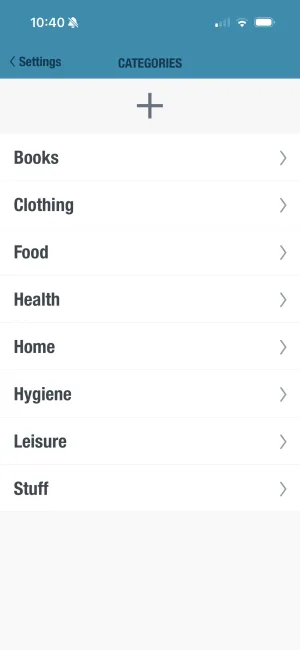
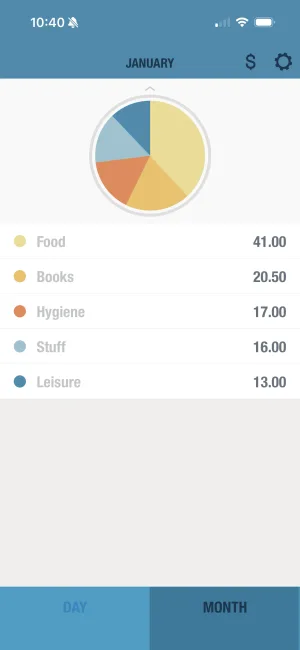
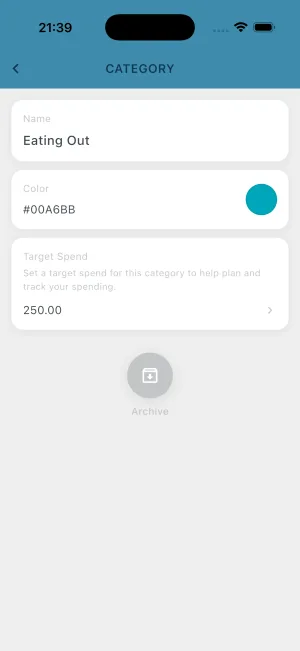
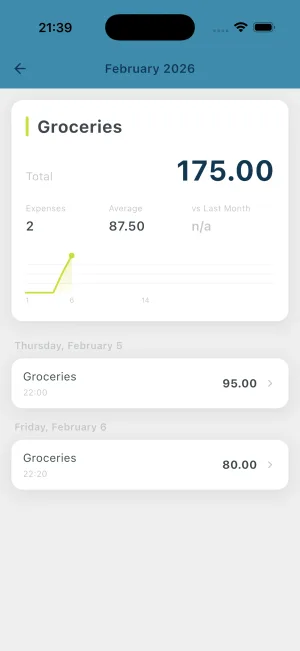
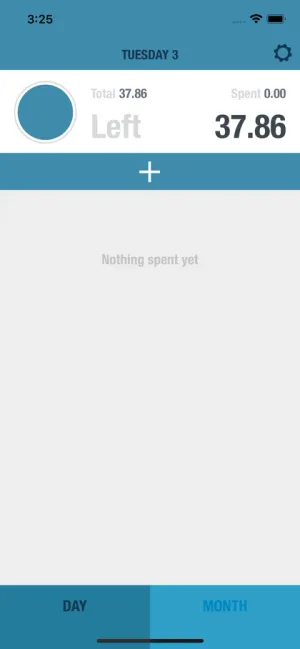
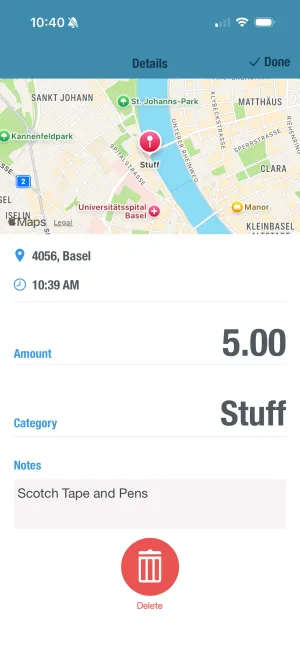
Ready to master your summer grocery budget? BUDGT helps you track food spending, set daily limits, and see where every dollar goes.
Frequently Asked Questions
How much should I budget for groceries in summer?
Plan for 10-15% higher grocery costs in summer due to more people home (kids out of school), increased snack consumption, and entertaining. A family of four typically spends $800-1,200/month on groceries in summer versus $700-1,000 in other months.
What's the cheapest way to eat in summer?
Buy seasonal produce at peak availability (berries, corn, tomatoes, zucchini), shop farmers markets near closing time for deals, grill cheaper cuts of meat, make cold meals that don't heat up the house, and batch prep to avoid convenience food temptation.
How do I save money on groceries with kids home all summer?
Prep snacks in bulk, set snack schedules to avoid grazing, involve kids in meal planning, freeze homemade popsicles instead of buying them, and plan free lunch programs in your area (many schools offer summer meals).
Are farmers markets actually cheaper?
Not always, but strategic shopping helps. Go near closing time for deals, buy imperfect produce, focus on peak-season items, and compare prices before assuming. Farmers markets excel for quality and selection of truly seasonal produce.
What summer produce is cheapest?
In summer 2026, look for deals on: corn, tomatoes, zucchini/summer squash, watermelon, berries (especially late season), peppers, cucumbers, and stone fruits. Buy at peak season for lowest prices and best flavor.
Related Articles

Ready to take control of your budget?
Download BUDGT and start tracking your daily spending today.