How to Save Money on Groceries in 2026: 20 Smart Ways
Groceries are one of the biggest flexible expenses in most budgets — which is exactly why they’re one of the best places to save. Rent is fixed. Your car payment is fixed. But what you spend at the store is something you can influence every single week. The good news: you don’t need extreme couponing or hours of prep. A handful of smart habits can cut a typical family grocery bill by $300 or more a month.
Here are 20 practical ways to save money on groceries in 2026, grouped into what to do before you shop, at the store, and after you get home.
How Much Are Groceries Really Costing You?
Grocery spending has climbed faster than a lot of paychecks over the last few years, so it pays to know where you stand. Here’s the gap a few good habits can create for a family of four:
Monthly Grocery Spend: Family of Four (2026)
That $340/month difference adds up to more than $4,000 a year — real money that could go to an emergency fund, debt, or a little breathing room. None of it requires eating worse; most of it comes from planning and a few smarter swaps.
Before You Shop (Where Most of the Savings Live)
The biggest wins happen before you ever walk into the store. This is where a plan beats willpower.
| # | Tactic | Why it works |
|---|---|---|
| 1 | Plan meals around what you already own | Uses up food you’ve paid for and shrinks the list |
| 2 | Build the list from the plan | You buy what you’ll cook, not what looks good |
| 3 | Check what’s on sale first | Plan meals around discounted proteins and produce |
| 4 | Set a spending target before you go | A number in mind keeps the cart honest |
| 5 | Eat before you shop | Hungry shopping is impulse shopping |
| 6 | Keep a running staples list | Avoids the “second trip” that doubles impulse buys |
The Meal-Plan Habit
If you only adopt one thing on this page, make it meal planning. The average US household wastes roughly a third of the food it buys — food you paid for that goes straight in the trash. Planning even five dinners and a leftovers night around what’s on sale attacks both problems at once: less waste, fewer impulse buys.
Shop your kitchen first
Look at what's already in the fridge, freezer, and pantry. Build meals around what needs using up.
Check the weekly deals
Scan your store's sales for discounted proteins and seasonal produce, then plan around them.
Write the list by section
Group items by store aisle so you move efficiently and skip tempting detours.
Set your number
Decide what this trip should cost before you go, and treat it like a limit.
Log it when you get home
Record what you actually spent so you can see trends and catch creep early.
At the Store
Once you’re there, a few in-aisle habits protect the plan you made.
| # | Tactic | Typical saving |
|---|---|---|
| 7 | Shop the unit price, not the sticker | Compare $/oz or $/lb — the bigger pack isn’t always cheaper |
| 8 | Switch staples to store brands | ~20-30% off flour, beans, dairy, frozen veg |
| 9 | Stick to the list | Cuts impulse buys, the #1 budget leak |
| 10 | Buy whole, not pre-cut | Pre-cut produce and shredded cheese carry a big markup |
| 11 | Check the top and bottom shelves | Pricier brands sit at eye level; deals hide above and below |
| 12 | Buy in-season produce | Seasonal items are cheaper and better; out-of-season is premium-priced |
| 13 | Watch the register | Scanning errors happen — glance at prices as they ring up |
Store Brands Are the Fastest Win
Private-label products typically cost 20-30% less than the national brand and are frequently made in the very same facilities. For staples — canned goods, frozen vegetables, dairy, baking basics, cleaning supplies — the difference is often just the label. Swap 10-15 regular items to store brands and you’ll feel it immediately, with no change to how you eat.
After You Shop
Saving doesn’t stop at the checkout. What happens at home decides whether that food becomes meals or waste.
| # | Tactic | Why it works |
|---|---|---|
| 14 | Store food properly | Correct storage extends shelf life and cuts waste |
| 15 | Cook once, eat twice | Batch meals stretch one effort across several dinners |
| 16 | Keep a “use it up” shelf | A visible spot for soon-to-expire items prevents forgetting |
| 17 | Freeze before it turns | Bread, meat, and even milk freeze well |
| 18 | Repurpose leftovers | Last night’s roast becomes today’s tacos or soup |
| 19 | Track what you throw away | Noticing the waste changes what you buy next time |
| 20 | Log every shop | The habit that ties it all together — measure to manage |
Why Tracking Beats Willpower
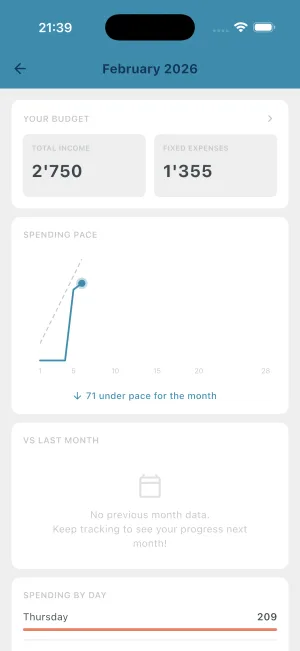
Every tactic above works better when you can see the results. It’s easy to think you’re doing well at the store; it’s another thing to watch your grocery spending land under your limit week after week. When the number is visible, the good habits stick — and the slow creep of “just a few extra things” becomes obvious before it derails the month.
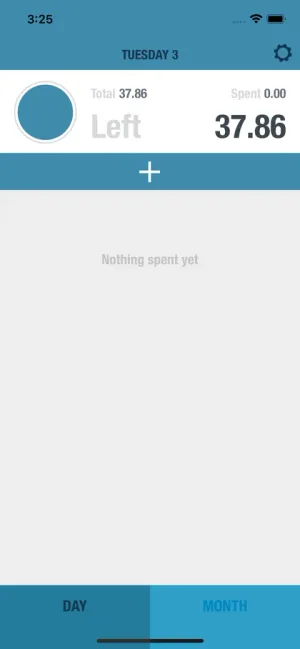
That’s the whole idea behind BUDGT’s daily budget: set your income, subtract your fixed bills and savings, and you get one clear number for everyday spending — groceries included. Log a shop in a few seconds and you always know where you stand.
A Simple Weekly Grocery System
Individual tips help, but a repeatable system is what makes the savings automatic. Here’s a lightweight weekly routine that ties everything together without turning grocery shopping into a part-time job:
Pick one day a week as your planning day. Spend ten minutes doing three things: check what you already have that needs using up, glance at your store’s weekly deals, and sketch out five or six dinners built around both. Turn that into a single list, organized by store section so you’re not doubling back past tempting end-caps. Then shop that list once — a single, focused trip beats three “quick” runs that each end with impulse extras.
The whole system runs on one principle: decisions made at home are cheaper than decisions made in the aisle. When you’ve already decided what you’re cooking and buying before you walk in, the store loses most of its power to upsell you. People who shop this way consistently spend less without feeling like they’re depriving themselves — they’ve just moved the choices to a calmer moment.
Cut Food Waste — Where a Third of the Money Goes
Here’s the saving almost everyone overlooks: the average US household throws away roughly a third of the food it buys. That’s not a grocery problem, it’s a money problem — you’re paying full price for food that goes straight to the bin. Cutting waste is often the single biggest lever on a grocery bill, and it costs nothing.
A few habits do most of the work. Store food properly so it lasts — many things spoil early simply because they’re kept wrong. Keep a “use it up first” shelf at eye level in your fridge so soon-to-expire items don’t get forgotten behind the new groceries. Cook once and eat twice by making enough for planned leftovers. And when something’s about to turn — bread, meat, even milk — freeze it before it’s lost rather than after.
The mindset shift is treating the food you already own as money you’ve already spent. Every wilted bag of greens or forgotten leftover is cash you’re throwing out. Once you start seeing it that way, using up what’s in your kitchen before buying more becomes second nature — and it quietly trims your bill week after week.
The Bottom Line
You don’t have to clip a single coupon to spend meaningfully less on groceries. Plan before you shop, buy on unit price, lean on store brands, waste less at home, and track what you spend. Do a handful of these consistently and $300+ a month is a realistic target for a family — money that’s far better off in your budget than in the trash.
Start with the two biggest levers this week: make a meal plan and switch your staples to store brands. Then add one habit at a time until saving on groceries is just how you shop.
Groceries are the easiest big expense to trim — because you decide every week. BUDGT shows your daily spending limit after bills and savings, so smarter shopping actually shows up in your budget.
Frequently Asked Questions
What are smart ways to save money on groceries?
The smartest ways to save on groceries are: plan meals around what's already in your kitchen, make a list and stick to it, shop the unit price instead of the sticker price, buy store brands, don't shop hungry, and track your spending so you catch creep early. Together these routinely cut a family grocery bill by 20-30% without couponing.
How can I cut my grocery bill fast?
For the quickest wins: switch 10-15 staple items to store brands (saves ~25% on those items), plan a week of meals so you stop buying random extras, and set a per-trip cash or card limit. Most households see a noticeable drop in the very first week just from planning and a list.
How much should I spend on groceries per month?
A common guideline is 10-12% of your take-home pay. The USDA's moderate plan runs roughly $1,000-1,300/month for a family of four in 2026, while a budget-focused shopper can land closer to $750-850. Use your own income as the anchor — our daily budget calculator turns it into a weekly grocery number.
Do store brands really save money?
Yes. Store (private-label) brands typically cost 20-30% less than national brands and are often made in the same facilities. Staples like flour, canned beans, frozen vegetables, dairy, and cleaning supplies are near-identical. Start there; keep name brands only for the few items where you genuinely notice a difference.
Is meal planning worth it for saving money?
It's the single highest-impact habit. Planning meals around sales and what you already own cuts impulse buys and food waste — and the average US household throws away roughly a third of the food it buys. Even a loose plan (five dinners and a leftovers night) beats no plan.
Does shopping without a list really cost more?
Consistently, yes. Unplanned trips lead to impulse purchases and forgotten staples that force a second trip. A list — ideally organized by store section — keeps you moving, reduces backtracking past tempting displays, and is one of the easiest ways to protect your budget.
Related Articles


Ready to take control of your budget?
Download BUDGT and start tracking your daily spending today.