The Minimalist Approach to Expense Tracking

The Minimalist Approach to Expense Tracking
More tracking doesn’t mean better results. In fact, complex tracking systems often fail precisely because they demand too much attention, create decision fatigue, and turn financial awareness into a burdensome chore.
Minimalist expense tracking takes the opposite approach: track less, understand more. By focusing on what actually matters and ignoring the rest, you gain clarity without complexity.
The Problem With Over-Tracking
Symptom 1: App Graveyard
Your phone contains three abandoned budgeting apps. Each started with enthusiasm. Each was “too complicated” or “took too much time.”
Symptom 2: Category Overload
Your budget has 23 categories. You spend more time deciding where to put a purchase than you save by tracking it.
Symptom 3: Tracking Fatigue
Even thinking about logging a purchase feels exhausting. So you don’t. Until you feel guilty. Then you try to catch up. Then you give up.
Symptom 4: Data Rich, Insight Poor
You have months of detailed data but couldn’t tell someone your top three spending patterns without analyzing spreadsheets.
If any of these resonate, you’re over-tracking.
The Minimalist Alternative
Minimalist tracking focuses on:
- One or two key metrics rather than everything
- Patterns and trends rather than perfect records
- Actionable insights rather than comprehensive data
- Sustainability rather than completeness
The goal isn’t knowing where every dollar went. It’s making better decisions with minimal cognitive load.
Minimalist Method 1: The One-Number Approach
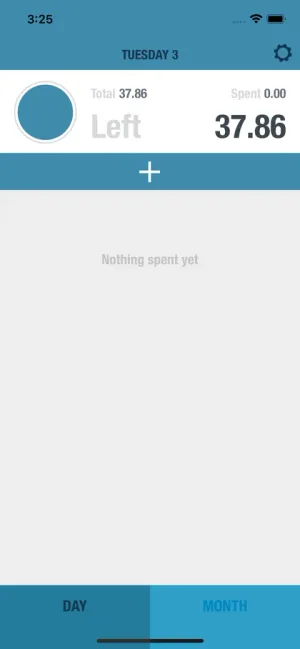
Track only your daily spending allowance.
Setup:
- Monthly discretionary budget ÷ 30 = Daily limit
- Example: $1,500 ÷ 30 = $50/day
Daily practice:
- Know your limit
- Track total spending against it
- Green = under, Red = over
What you ignore:
- Categories
- Exact amounts (rounding is fine)
- Past days (focus on today)
Why it works: One number is manageable. You always know where you stand without complex analysis.
Minimalist Method 2: The Big Three
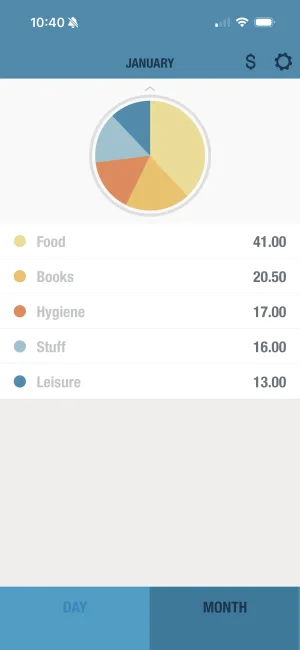
Track only your three largest spending categories.
Identify your Big Three: Most people’s top categories are some combination of:
- Housing (fixed—track annually, not daily)
- Food (groceries + dining)
- Transportation
- Shopping/clothing
- Entertainment
Track only the Big Three that are:
- Variable (you control them)
- Significant (large enough to matter)
- Problematic (where overspending happens)
What you ignore: Everything else. Seriously.
Why it works: 80% of spending typically comes from 20% of categories. Track the 20% that matters.
Minimalist Method 3: The Weekly Snapshot
Track nothing daily. Review everything weekly.
Weekly ritual (15 minutes max):
- Open bank/credit card app
- Review total spent this week
- Note any surprises
- Compare to last week
- Set one intention for next week
What you ignore:
- Daily fluctuations
- Category details
- Perfect accuracy
Why it works: Weekly batching reduces tracking from 365 days/year to 52 sessions. Most patterns show up at weekly scale anyway.
Minimalist Method 4: The Savings Rate Focus
Track only whether you’re saving.
The one number: (Money saved this month ÷ Income) × 100 = Savings rate %
Target: 20% (or whatever’s realistic for you)
What you track:
- Did money move to savings?
- What percentage was it?
What you ignore:
- Where spending went
- Daily or weekly details
Why it works: If you’re saving adequately, the details don’t matter. This method trusts that hitting the savings number means spending was okay.
Minimalist Method 5: Exception Tracking
Track only what surprises you.
Daily awareness:
- Glance at spending
- If something feels notable, jot it down
- If the day felt normal, note nothing
What gets tracked:
- “Spent $80 at Target (meant to spend $20)”
- “Three coffees out today, unusual”
- “Grocery trip way over normal”
What doesn’t get tracked:
- Routine expected spending
- Things that feel normal
Why it works: Exceptions are where learning happens. Normal spending needs no attention.
The Minimalist Tracking Mindset
Quality Over Quantity
Five minutes of thoughtful review beats thirty minutes of mindless logging.
Ask: “What’s one insight this data gives me?” If you can’t answer, you’re collecting data you don’t use.
Good Enough Beats Perfect
Rounding to the nearest $5 is fine. Missing a few transactions is fine. Directional accuracy matters; decimal precision doesn’t.
Trends Over Points
A single data point means nothing. Three months of the same pattern means everything.
Don’t stress daily numbers. Watch weekly and monthly trends.
Sustainable Beats Comprehensive
A simple system you use for years creates more value than a complex system you use for weeks.
Choose boring consistency over exciting comprehensiveness.
Building Your Minimalist System
Identify Your Core Question
What do you actually need to know? 'Am I spending within my daily limit?' 'Are my problem categories under control?' 'Am I saving enough?' Pick ONE—this determines your tracking method.
Choose Your Method
Match your question to a method: daily spending control → One-Number Approach, category management → Big Three, weekly awareness → Weekly Snapshot, savings focus → Savings Rate.
Set Your Ritual
Decide when and how tracking happens: Morning? Evening? Weekly? Phone, paper, or mental note? Set a maximum time limit.
Start Deliberately Simple
Resist the urge to add complexity. Start with the minimum possible. Only add more if you need information you're not getting.
Review Monthly
After one month, ask: Did I actually do the tracking? Did it provide useful information? Do I need more or less detail? Adjust accordingly.
When Minimalism Isn’t Enough
Minimalist tracking might not be appropriate if you:
Are in debt crisis: May need more detailed tracking temporarily to understand where every dollar goes.
Have complex finances: Multiple income streams, business expenses, or unusual financial structures.
Are starting from zero awareness: May need a period of detailed tracking before knowing what to simplify.
Have specific goals: Saving for something specific might require more focused tracking.
Minimalism works best when you have basic financial stability and want sustainable awareness without overwhelm.
The Freedom of Less
Most tracking systems add burden: more data to collect, more apps to check, more decisions to make.
Minimalist tracking removes burden. It answers the essential questions without the noise. It creates sustainable awareness that lasts years rather than weeks.
You don’t need to know where every dollar went. You need to know enough to make good decisions.
Track less. Understand more. Live better.
BUDGT is built on minimalist principles. One number shows what you can spend today. No categories to manage. No complicated setup. Just clarity in seconds.
Frequently Asked Questions
What is minimalist expense tracking?
Minimalist expense tracking focuses on tracking only what matters while ignoring the rest. Instead of logging every purchase in detailed categories, minimalist approaches track one or two key metrics that answer your essential financial questions. The goal is sustainable awareness with minimal cognitive load.
Won't I miss important information by tracking less?
Paradoxically, tracking less often reveals more. When you're not drowning in data, you notice patterns more clearly. Most financial insight comes from trends over time, not individual transaction details. If you need more detail about a specific area, you can always investigate temporarily.
How do I know if I'm tracking too much?
Signs of over-tracking include: abandoned budgeting apps, tracking fatigue, spending more time categorizing than the information is worth, detailed data you never actually analyze, and feeling overwhelmed by financial management. If tracking feels like a burden, you're probably doing too much.
What's the minimum tracking that actually helps?
At absolute minimum: know whether you're spending more or less than you earn. This can be as simple as checking if your bank balance is higher or lower at the end of the month than the beginning. From there, add complexity only if you need specific information you're not getting.
How accurate does minimalist tracking need to be?
Directional accuracy matters; decimal precision doesn't. Rounding to the nearest $5 or $10 is fine. Missing occasional small purchases is fine. The goal is understanding patterns and trends, not accounting-level accuracy. Being off by 10% while actually tracking beats being precisely accurate with a system you abandon.
Can minimalist tracking work for people in debt?
During debt crisis, more detailed tracking might be temporarily necessary to understand exactly where money goes. Once you've identified problem areas and have a repayment plan, you can transition to minimalist tracking of those specific areas. Minimalism works best with basic financial stability.
What if I need to track for taxes or business?
Business and tax tracking has different requirements than personal awareness tracking. Keep those systems separate. Your minimalist personal tracking doesn't need to serve accounting purposes—use appropriate tools for that. Personal budgeting and business record-keeping are different tasks.
How do I choose which method is right for me?
Identify your core question: What do you actually need to know about your money? Then match to a method. If you need daily spending control, use the one-number approach. If you want big-picture awareness, use weekly snapshots. If you're saving-focused, track savings rate. Your question determines your method.
What's the biggest mistake in minimalist tracking?
Adding complexity too quickly. The urge to "track more just in case" defeats the purpose. Start with the absolute minimum and only add detail if you discover you need specific information you're not getting. Most people never need more than one or two metrics.
How long should minimalist tracking take each day or week?
Daily minimalist tracking should take under 2 minutes—often just seconds for a quick balance check. Weekly review should take 15 minutes maximum. If it takes longer, your system is too complex for your needs or you're overthinking the process.
Related Articles



Ready to take control of your budget?
Download BUDGT and start tracking your daily spending today.