Summer Camp Budget Guide for Single Parents
School ends. Work doesn’t.
For single parents, summer isn’t three months of freedom — it’s three months of figuring out childcare on a single income. Summer camp sounds great until you see the price tag: $300-500 per week, times 10-12 weeks, times however many kids you have.
The math doesn’t work. But neither does leaving kids home alone or quitting your job.
This guide is specifically for single parents navigating the summer childcare puzzle. We’ll cover real numbers, practical alternatives, financial assistance you might not know about, and creative solutions that other single parents actually use.
The Real Cost of Summer Camp
Let’s start with honest numbers:
Average Weekly Summer Camp Costs
For a single parent who needs coverage from school’s end (early June) to school’s start (late August), that’s roughly 10-12 weeks of care needed.
| Camp Type | Weekly Cost | 10-Week Total |
|---|---|---|
| Premium day camp | $400-500 | $4,000-5,000 |
| Average day camp | $250-350 | $2,500-3,500 |
| YMCA/community | $150-250 | $1,500-2,500 |
| Parks & rec | $100-150 | $1,000-1,500 |
And that’s per child. Two kids at average day camp? You’re looking at $5,000-7,000 for the summer.
Finding Affordable Camp Options
YMCA and Community Centers
YMCAs typically offer the best balance of quality, cost, and financial assistance:
What you get:
- Full-day care (usually 7 AM - 6 PM)
- Structured activities, sports, swimming
- Trained counselors
- Sliding-scale fees based on income
Cost savings:
- Financial assistance available (ask directly)
- Income-based pricing at most locations
- Sibling discounts (usually 10-15%)
- Early registration discounts
How to access aid: Contact your local Y directly and ask about “financial assistance” or “scholarship programs.” Many parents don’t know these exist. Application is usually simple — proof of income and a brief form.
Parks and Recreation Programs
Your city or county parks department likely offers summer programs at significantly lower costs than private camps:
Typical offerings:
- Day camps (often half-day or full-day)
- Sports clinics (week-long, specific sports)
- Arts and nature programs
- Specialty weeks (coding, cooking, etc.)
Why they’re cheaper:
- Subsidized by local government
- Often held at public facilities
- Staffed partially by local teens and community members
Finding them: Search “[your city] parks and recreation summer camps” or check your city’s official website.
School District Programs
Many school districts offer summer programs, and single parents often don’t realize they exist:
Types of programs:
- Academic enrichment (often free or low-cost)
- Extended School Year (ESY) for qualifying students
- Summer school with before/after care
- Sports and activities camps
Cost: Often free to $50/week — drastically cheaper than private options.
How to find: Contact your school district’s central office or check their website in February-March when summer program info is released.
Financial Assistance Programs
Camp Scholarships
Many camps offer scholarships that go unused because parents don’t apply:
| Organization | What They Offer |
|---|---|
| YMCA | Sliding-scale fees, scholarships based on need |
| Boys & Girls Club | Low-cost programs, financial aid available |
| Fresh Air Fund | Free summer experiences for NYC-area kids |
| Camp Fire | Camperships (camp scholarships) nationwide |
| American Camp Association | Scholarship database by state |
How to apply:
- Contact camps directly — ask “Do you offer financial assistance or scholarships?”
- Apply early (February-March) — funds are limited
- Provide income documentation (tax return, pay stubs)
- Don’t be discouraged by initial prices — many camps expect to negotiate
Dependent Care FSA
If your employer offers a Dependent Care Flexible Spending Account:
- Contribute up to $5,000 pre-tax annually
- Use for summer camp for kids under 13
- Saves roughly 25-35% depending on your tax bracket
- Must sign up during open enrollment (fall of prior year)
Example: $5,000 in camp costs, paid from FSA = ~$1,500 in tax savings
State Childcare Assistance
Some states extend childcare assistance to cover summer programs:
- Check your state’s childcare subsidy program
- Eligibility is usually based on income and work status
- Summer care may be covered even if school-year care isn’t
- Apply early — waitlists can be long
Search: “[your state] childcare assistance summer” to find your state’s program.

Creative Alternatives to Traditional Camp
Mix-and-Match Approach
Instead of 10 weeks of expensive camp, create a patchwork:
| Weeks | Coverage | Cost |
|---|---|---|
| Weeks 1-2 | Grandparent visit | $0 |
| Weeks 3-4 | YMCA day camp | $350 |
| Week 5 | Vacation Bible School | $0 |
| Weeks 6-7 | Parks & rec sports camp | $200 |
| Week 8 | Trade with another parent | $0 |
| Weeks 9-10 | Library programs + half-day care | $150 |
| Total | $700 |
Compare that to $3,000+ for 10 weeks of traditional day camp.
Free and Low-Cost Options
Completely free:
- Library summer reading programs
- Vacation Bible School (usually 1 week)
- Free museum days
- Community festivals and events
- Public pool (with supervision)
Very low cost ($0-50/week):
- Parks and rec half-day programs
- Church summer programs
- Community sports leagues
- Volunteer programs for older kids (12+)
Childcare Sharing
Partner with other parents to share coverage:
How it works:
- Find 2-4 parents with similar schedules
- Each parent takes one day per week
- Kids rotate between homes
- Everyone saves on camp costs
Making it work:
- Set clear expectations upfront
- Create a shared calendar
- Establish house rules everyone agrees on
- Have backup plans for sick days
Example: Five single parents sharing coverage = each parent responsible for one day per week = zero camp costs, but you need flexible work or PTO for your coverage day.
Planning Timeline
January-February
- Research camp options and prices
- Apply for YMCA/community center scholarships
- Check school district summer program availability
- Register for Dependent Care FSA if not already enrolled
March-April
- Register for camps (early-bird deadlines)
- Submit financial assistance applications
- Confirm grandparent/family visit dates
- Connect with other parents for sharing arrangements
May
- Finalize all registrations
- Create weekly calendar of coverage
- Prepare kids for transitions between programs
- Stock up on supplies (sunscreen, water bottles, etc.)
June
- Confirm first-week logistics
- Exchange contact info with other parents/caregivers
- Have backup plan ready for sick days
Talking to Kids About the Budget
Kids notice when they’re not at the “fancy” camp their friends attend. How you frame it matters:
Instead of: “We can’t afford that camp.”
Try: “We’re doing a mix of things this summer — you’ll get to try swimming at the Y, art at the library, and spend a week with Grandma. Which part are you most excited about?”
Focus on:
- Variety and adventure
- Activities they’ll enjoy
- Time with people who love them
- New experiences and skills
The reality: Kids often remember the summer they spent swimming at the public pool and catching fireflies more fondly than the summer at expensive camp. Experiences matter more than price tags.
Emergency Backup Plans
Even the best summer plan needs backups:
When a Camp Day Falls Through
Have ready:
- List of drop-in activities (library, rec center)
- Contact info for backup caregivers
- Activities kids can do independently (age-appropriate)
- Work-from-home option if possible
Sick Day Protocol
Plan in advance:
- Who can cover if your child is sick?
- Can you work from home occasionally?
- Does your employer offer any childcare emergency leave?
- What quiet activities keep sick kids occupied?
Cost Overruns
Set aside a small summer emergency fund — unexpected costs happen:
- Camp field trip fees
- Required supplies you didn’t budget for
- Transportation costs
- Lost items that need replacing
Making the Most of What You Can Afford
Whatever camp or care you choose, help your child get the most from it:
Before camp:
- Visit the location together if possible
- Practice any needed skills (swimming, bike riding)
- Set expectations about behavior and participation
During camp:
- Ask specific questions about their day
- Encourage friendships with other campers
- Communicate with counselors if issues arise
After camp:
- Continue activities they enjoyed (library books on topics, backyard practice)
- Stay connected with camp friends
- Celebrate what they learned and experienced
The Bottom Line
Summer childcare as a single parent is genuinely hard. The costs are real, the logistics are complicated, and the guilt is persistent.
But it’s also solvable. With early planning, creative thinking, and willingness to ask for help, you can create a summer that:
- Keeps your kids safe and engaged
- Doesn’t destroy your finances
- Might even include some actual fun
The parents who figure this out aren’t the ones with the biggest budgets. They’re the ones who start planning early, ask about every discount and scholarship, and aren’t afraid to piece together a summer from multiple sources.
Your kids don’t need the most expensive camp. They need a summer where they’re cared for, have things to do, and get to be kids. That’s achievable at every budget level.
Frequently Asked Questions
How much does summer camp typically cost?
Day camp costs average $200-500 per week, while sleepaway camps average $500-1,500 per week. YMCA and community camps are often cheaper at $100-250 per week. For single parents needing 10 weeks of coverage, costs can range from $1,000 to over $5,000 per child for the summer.
How can single parents afford summer camp?
Options include: YMCA and community center camps with sliding-scale fees, church and nonprofit camps with financial aid, school district summer programs (often free or low-cost), registering early for discounts, and asking about sibling discounts or payment plans. Many camps offer need-based scholarships that go unused.
What are alternatives to expensive summer camps?
Affordable alternatives include: library summer programs (free), parks and recreation classes, half-day sports clinics, trading childcare with other parents, grandparent or family visits, staycation activities with structured schedules, and free community events and festivals.
Are there free summer camps for kids?
Yes, many free or very low-cost options exist: public library programs, parks and recreation day camps, church vacation Bible schools, Boys & Girls Club programs, and some school district offerings. Many nonprofits and community organizations also offer free specialty camps in sports, arts, or STEM.
When should I start planning for summer camp?
Start planning in January or February for the best selection and early-bird discounts (often 10-20% off). Apply for financial aid by March, as funds are limited. Popular camps fill quickly, especially affordable community options. Waiting until May or June limits options and usually means paying full price.
Can I get help paying for summer camp?
Yes, assistance is available through: camp scholarships and financial aid programs, YMCA financial assistance (sliding scale based on income), employer dependent care FSA (up to $5,000 pre-tax), some state childcare assistance programs that cover summer care, and nonprofit organizations like the Fresh Air Fund.
Related Articles



Ready to take control of your budget?
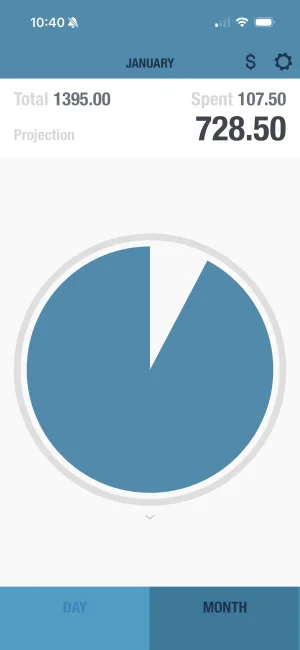
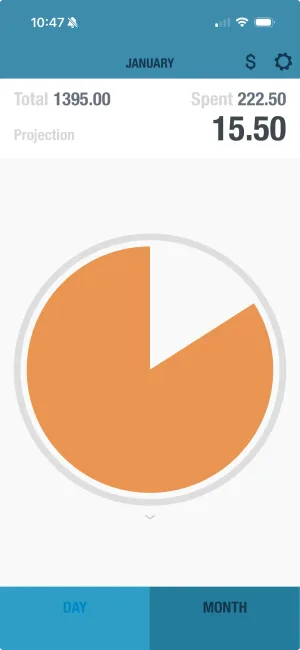
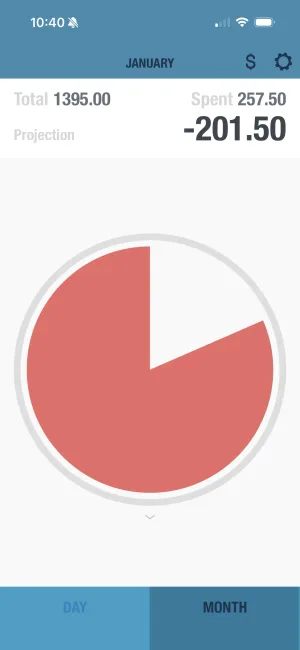
Download BUDGT and start tracking your daily spending today.