Transform Your Space: Budget-Friendly Home Organization Strategies
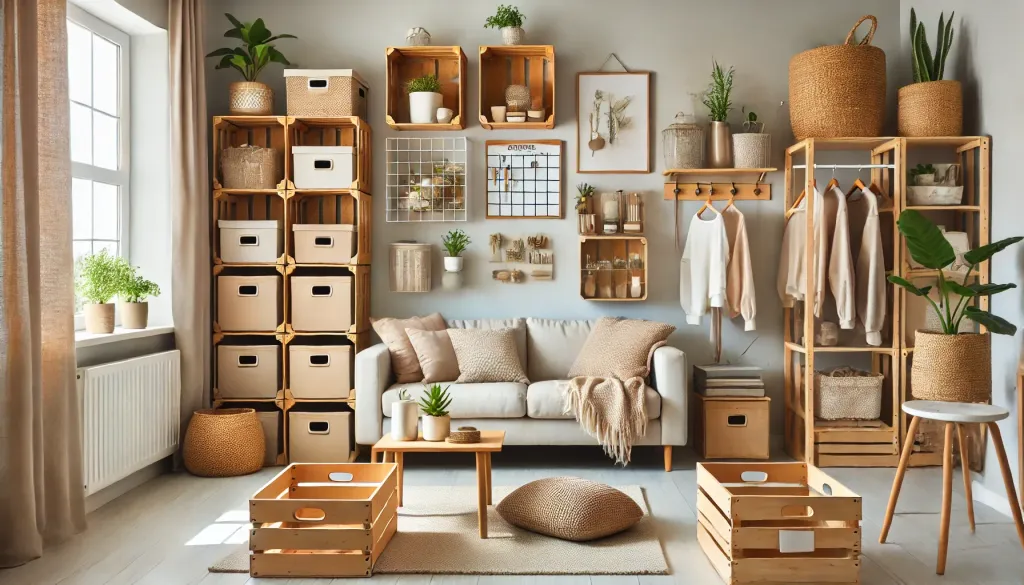
Is your home feeling cluttered but your wallet can’t handle a major overhaul? Here’s a truth that Container Store catalogs won’t tell you: organizing your home doesn’t have to be expensive.
In fact, the most effective organization often costs little or nothing. Real transformation comes from decluttering and creating systems—not from buying matching bins in every color.
This guide gives you 10 proven strategies to organize your entire home for under $50, plus room-by-room guides, DIY solutions, and maintenance routines that keep clutter from coming back.
The True Cost of Home Organization
Before you buy anything, understand what actually creates an organized home.
What You Really Need vs. What Stores Sell
Organization Cost Reality Check
Why Expensive Organization Often Fails
| Expensive Approach | Budget Approach |
|---|---|
| Buys containers before decluttering | Declutters first, then assesses needs |
| Focuses on aesthetics | Focuses on function |
| One-time purchase, no maintenance plan | Builds daily habits |
| Creates temporary improvement | Creates sustainable systems |
| Organizes clutter instead of reducing it | Reduces clutter, then organizes remainder |
The secret to organization isn’t buying more stuff—it’s having less stuff to organize.
The 10-Step Budget Organization System
Declutter with Purpose
Remove everything that doesn't add value to your life. Less stuff means less to organize, and it's free.
Repurpose What You Own
Look around for items that can become storage: jars, boxes, baskets, crates. Buy nothing until you've exhausted free options.
Create DIY Storage Solutions
Get creative with simple projects using materials you have or can find cheaply—no crafting skills required.
Maximize Vertical Space
Walls, doors, and high shelves are free real estate. Go up before you buy out.
Create Functional Zones
Designate specific areas for specific activities. Clear zones make organization intuitive.
Adopt the One-In-One-Out Rule
For every new item that enters, one leaves. This prevents future clutter buildup.
Shop Smart at Dollar Stores
When you must buy, dollar stores have bins, baskets, and dividers for a fraction of retail prices.
Utilize Hidden Spaces
Under beds, behind doors, inside closet doors—these overlooked areas offer significant storage.
Involve Your Family
Organization only works if everyone participates. Make it a team effort from the start.
Establish Maintenance Routines
Daily habits prevent re-cluttering. A few minutes daily beats weekend-long organization sessions.
Step 1: Declutter with Purpose
The most powerful organization tool costs nothing: getting rid of what you don’t need.
The Three-Pile Method
| Pile | Criteria | Action |
|---|---|---|
| Keep | Use it weekly/monthly, love it, need it | Find a designated home |
| Donate | Good condition, haven’t used in 6+ months | To charity within 48 hours |
| Toss | Broken, worn, expired, no value | Recycle or trash immediately |
Decluttering Questions
Ask yourself for each item:
- Have I used this in the past year?
- Do I have multiples of this?
- Does this add value to my life?
- Would I buy it again today?
- Is it worth the space it takes?
If the answer is “no” to most questions, it’s time to let go.
Room-by-Room Declutter Targets
| Room | Common Clutter | Keep Only |
|---|---|---|
| Kitchen | Duplicate tools, expired food, unused gadgets | Items used weekly |
| Bathroom | Old products, expired meds, samples | Current favorites |
| Closet | Clothes that don’t fit/aren’t worn | What you actually wear |
| Living Room | Magazines, decor, random items | Functional + loved |
| Kids’ Rooms | Outgrown toys, broken items | Age-appropriate favorites |
Step 2: Repurpose What You Own
Before buying any organization supplies, inventory what you already have.
Free Storage Solutions from Around Your Home
| Item | Repurpose For | Where to Find |
|---|---|---|
| Glass jars | Bathroom supplies, office supplies, pantry | Kitchen, recycling |
| Shoe boxes | Drawer dividers, small item storage | Closet |
| Baskets | Towels, toys, blankets, linens | Throughout home |
| Cardboard boxes | Closet shelf dividers | Shipping boxes |
| Old containers | Craft supplies, hardware | Kitchen, garage |
| Magazine holders | Cutting boards, notebooks | Office |
| Muffin tins | Jewelry, small parts, office supplies | Kitchen |
| Ice cube trays | Small jewelry, earrings | Kitchen |
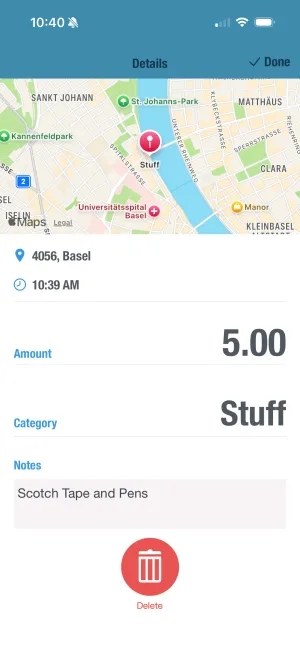
| Wine crates/boxes | Shelving, toy storage | Ask at liquor stores |
| Egg cartons | Small craft supplies, earrings | Kitchen |
DIY Container Upgrades
Make found containers look intentional:
| Upgrade | Cost | Method |
|---|---|---|
| Spray paint | $4-6 | Uniform color scheme |
| Contact paper | $3-5 | Cover exterior |
| Fabric scraps | $0 | Glue to cover |
| Washi tape | $2-3 | Decorative borders |
| Labels | $0-3 | Handwritten or printed |
Step 3: DIY Storage Solutions
Simple projects that require no special skills.
Easy DIY Projects
| Project | Materials | Cost | Time |
|---|---|---|---|
| Tension rod dividers | Tension rods for cabinet vertical storage | $3-6 | 5 min |
| Pegboard wall | Pegboard panel + hooks | $15-25 | 1 hour |
| Hanging shower organizer | Tension rod + S-hooks + baskets | $10-15 | 15 min |
| Drawer dividers | Cardboard + scissors | $0 | 30 min |
| Under-sink organizer | Tension rod for spray bottles | $3-5 | 5 min |
| Magnetic spice rack | Magnetic strips + small containers | $10-15 | 30 min |
| Door-mounted shelves | Over-door hooks + baskets | $10-15 | 10 min |
Crate Furniture
Wooden crates are versatile and cheap (often free behind grocery stores):
| Configuration | Use For | How |
|---|---|---|
| Single crate | Side table, toy bin | Add felt pads to bottom |
| Stacked crates | Bookshelf, entryway storage | Stack and secure |
| Wall-mounted | Shadow box shelving | Mount with brackets |
| On casters | Mobile toy storage | Add wheels ($3-5) |
DIY vs. Store-Bought Organization
Step 4: Maximize Vertical Space
Walls and high spaces are often underutilized.
Vertical Storage Opportunities
| Space | Solution | Cost |
|---|---|---|
| Empty wall space | Floating shelves, pegboard | $10-30 |
| Behind doors | Over-door organizers, hooks | $5-15 |
| High closet areas | Shelf risers, stacking bins | $5-15 |
| Cabinet sides | Adhesive hooks, magnetic strips | $3-8 |
| Bathroom walls | Tension rod shelving | $10-15 |
| Kitchen walls | Hanging pot rack, utensil hooks | $10-25 |
Command Hook Magic
These removable hooks (often $3-8 for packs) transform vertical spaces:
| Location | Use For |
|---|---|
| Inside cabinet doors | Measuring cups, pot lids |
| Entryway wall | Keys, bags, hats |
| Bathroom wall | Hair tools, towels |
| Bedroom closet | Jewelry, scarves |
| Kitchen wall | Utensils, mugs |
| Kids’ room | Artwork display, bags |
Step 5: Create Functional Zones
Organization becomes intuitive when everything has a logical home.
Zone Strategy by Room
| Room | Zones to Create | Why It Works |
|---|---|---|
| Kitchen | Cooking zone, baking zone, coffee station | Related items together |
| Bathroom | Daily routine, first aid, cleaning supplies | Quick access |
| Bedroom | Sleep zone, dressing area, relaxation | Clear purposes |
| Living room | Entertainment, reading, games | Activity-based |
| Entryway | Keys/wallet, shoes, bags, outgoing items | Transition space |
| Home office | Work area, filing, supplies | Task-focused |
Zone Setup Checklist
For each zone:
- Group similar items — Everything for one activity together
- Store at point of use — Near where you’ll use it
- Contain the zone — Clear boundaries (bin, tray, shelf)
- Label if needed — Especially for shared spaces
- Remove unrelated items — Only zone-appropriate things
Step 6: The One-In-One-Out Rule
The most important habit for staying organized costs nothing.
How It Works
| When… | Action |
|---|---|
| You buy new clothes | Donate one clothing item |
| Kids get new toys | Remove one old toy |
| You buy a new book | Donate one book |
| New kitchen item | Remove duplicate/unused |
| New decor | Remove equivalent decor |
Making It Automatic
| Trigger | System |
|---|---|
| Shopping trips | Donation box in car |
| After holidays | Sort gifts, remove equivalents |
| Seasonal changes | Review seasonal items |
| Kids’ birthdays | Pre-birthday toy purge |
| Weekly habit | Quick scan for removal candidates |
Step 7: Dollar Store Organization Finds
When you need to buy supplies, shop smart.
Best Dollar Store Organization Items
| Item | Price | Best For |
|---|---|---|
| Plastic bins | $1-2 | Drawers, cabinets, pantry |
| Baskets | $1-2 | Open shelving, bathroom |
| Drawer dividers | $1 | Utensils, office supplies |
| Shower caddies | $1-2 | Under-sink, cleaning supplies |
| Magazine holders | $1 | Pans, cutting boards, files |
| Lazy Susans | $2-3 | Pantry, under sink |
| Small containers | $1 | Small item storage |
| Labels/label maker | $1-3 | Everything |
| Hooks (adhesive) | $1-2 | Walls, doors, cabinets |
| Shelf liner | $1-2 | Drawers, shelves |
Dollar Store vs. Retail Price Comparison
| Item | Retail Price | Dollar Store | Savings |
|---|---|---|---|
| Set of bins | $15-30 | $3-6 | 70-80% |
| Drawer dividers | $10-15 | $2-3 | 75-80% |
| Basket set | $20-40 | $4-6 | 80-85% |
| Labels | $12-20 | $1-3 | 85-90% |
Home Organization Budget Calculator
What you can spend overall
Bins, baskets, hooks
Paint, hardware
Enter your numbers above - results update automatically
Step 8: Utilize Hidden Spaces
These overlooked areas offer significant storage potential.
Hidden Storage Opportunities
| Space | Solution | Stores |
|---|---|---|
| Under beds | Rolling bins, vacuum bags | Seasonal clothes, linens, shoes |
| Behind doors | Over-door organizers | Shoes, accessories, cleaning supplies |
| Closet doors (inside) | Hooks, shoe pockets | Jewelry, belts, small items |
| Above doors | Narrow shelf | Rarely used items |
| Under stairs | Pull-out drawers/shelving | Anything |
| Toe-kick drawers | Custom or DIY | Kitchen items |
| Corner cabinets | Lazy Susan, pull-outs | Pots, food |
| Furniture gaps | Slim rolling carts | Laundry supplies, pantry items |
Under-Bed Organization System
| Method | Cost | Best For |
|---|---|---|
| Rolling plastic bins | $8-15 each | Easy access items |
| Vacuum storage bags | $10-20 for set | Seasonal bedding, clothes |
| Bed risers + bins | $15-20 | Adding clearance |
| DIY plywood drawers | $20-40 | Custom fit |
Step 9: Involve Your Family
Organization only sticks if everyone participates.
Age-Appropriate Organization Tasks
| Age | Tasks They Can Do | How to Help |
|---|---|---|
| 3-5 | Put toys in bins, sort by color | Large bins, picture labels |
| 6-8 | Make bed, organize own drawer | Clear instructions, modeling |
| 9-12 | Maintain bedroom, help with common areas | Checklists, responsibility |
| Teens | Full room responsibility, contribute to home | Independence, accountability |
| Adults | Zone ownership, maintenance | Communication, teamwork |
Family Organization Meeting
Hold a quick family meeting to:
- Explain the system — Show everyone how zones work
- Assign responsibilities — Each person owns specific areas
- Create visual guides — Labels, photos, checklists
- Set maintenance expectations — When and how to maintain
- Celebrate progress — Acknowledge improvements
Making It Stick
| Strategy | How |
|---|---|
| Clear labels | Picture labels for kids, text for adults |
| Easy access | Store items at appropriate heights |
| Landing zones | Obvious places for common items |
| Quick cleanup routine | 10-minute family tidy time |
| Positive reinforcement | Praise effort, not just results |
Step 10: Establish Maintenance Routines
The real secret to lasting organization is daily habits.
Daily Maintenance Habits
| Time | Task | Duration |
|---|---|---|
| Morning | Make bed, quick bedroom tidy | 5 min |
| After meals | Clean kitchen, dishes away | 10-15 min |
| Evening | 10-minute family tidy | 10 min |
| Before bed | Reset living areas | 5 min |
Weekly Maintenance
| Day | Focus Area | Time |
|---|---|---|
| Monday | Kitchen deep tidy | 15 min |
| Tuesday | Bathrooms | 15 min |
| Wednesday | Living room | 15 min |
| Thursday | Bedrooms | 15 min |
| Friday | Entryway, laundry | 15 min |
| Saturday | Problem areas | 20 min |
| Sunday | Plan week, quick whole-home scan | 15 min |
Monthly Tasks
| Task | Purpose |
|---|---|
| One-in-one-out audit | Prevent accumulation |
| Pantry/fridge purge | Remove expired items |
| Paper purge | File or recycle documents |
| Kids’ room assessment | Remove outgrown items |
| Zone evaluation | Adjust what’s not working |
Room-by-Room Quick Guides
Kitchen (Highest Impact)
| Area | Budget Solution | Cost |
|---|---|---|
| Pantry | Clear containers from dollar store, labels | $10-15 |
| Under sink | Tension rod for sprays, bins for supplies | $5-10 |
| Drawers | DIY cardboard dividers or dollar store | $0-5 |
| Counters | Minimal items, daily clear-off habit | $0 |
| Cabinets | Lazy Susans for corners, shelf risers | $5-10 |
Closets
| Strategy | How | Cost |
|---|---|---|
| Declutter first | Remove 50%+ of what you don’t wear | $0 |
| Uniform hangers | Slim velvet from dollar store | $5-10 |
| Vertical doubling | Add second rod or tension rod | $5-15 |
| Shelf dividers | DIY or dollar store | $0-5 |
| Door storage | Over-door organizer | $5-10 |
Bathroom
| Area | Solution | Cost |
|---|---|---|
| Under sink | Stackable bins, tension rod | $5-10 |
| Shower | Tension corner caddy or hanging organizer | $5-15 |
| Drawers | Repurposed containers as dividers | $0-3 |
| Medicine cabinet | Clear containers, first aid kit | $3-5 |
| Counter | Minimal—tray for daily items only | $0-3 |
Your 30-Day Organization Plan
| Week | Focus | Tasks | Budget |
|---|---|---|---|
| Week 1 | Declutter | Kitchen, bathroom purge | $0 |
| Week 2 | Declutter + DIY | Closets, bedrooms + repurposing | $0-10 |
| Week 3 | Organize | High-impact areas, zones | $15-25 |
| Week 4 | Systems | Family habits, maintenance | $0-10 |
30-Day Checklist
| Day Range | Accomplishments |
|---|---|
| Days 1-7 | Kitchen decluttered, drawer dividers made |
| Days 8-14 | Bathroom organized, closet purged |
| Days 15-21 | Living areas zoned, vertical storage added |
| Days 22-28 | Kids’ rooms done, family system in place |
| Days 29-30 | Final tweaks, maintenance routine started |
From Cluttered to Calm
An organized home isn’t about perfection or Pinterest-worthy photos. It’s about:
- Finding what you need when you need it
- Having space to live and breathe
- Reducing daily stress and decision fatigue
- Spending less time looking for things
- Creating peace in your living space
All of this is possible without spending hundreds of dollars. Declutter first. Repurpose what you have. Buy only what you truly need—and buy it cheaply.
Your budget-friendly organized home awaits. Start with one drawer, one shelf, one small space. Build from there.
The transformation isn’t about the containers. It’s about the clarity.
Frequently Asked Questions
How much should I budget for home organization supplies?
Start by decluttering and repurposing items you already own before purchasing anything. When you do need to buy organizing supplies, shop at dollar stores where bins, baskets, and dividers cost just a few dollars. Most home organization can be done for under $20 if you're creative with DIY solutions and upcycling.
Can BUDGT help me track spending on home organization projects?
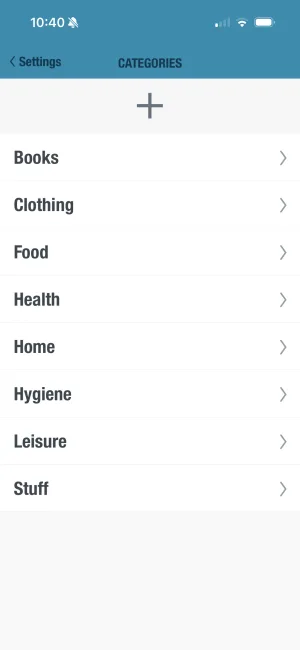
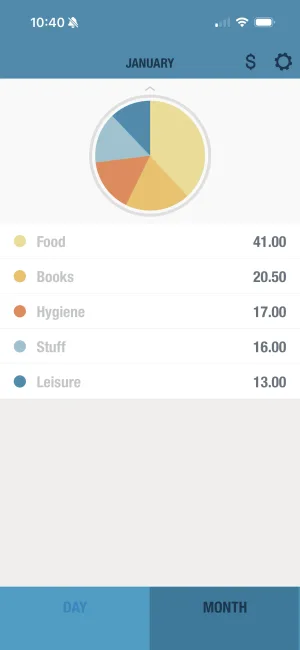
Yes! BUDGT allows you to create custom categories for one-time projects like home organization. You can set a daily budget limit for organization supplies and track each purchase, ensuring you stay within your budget while transforming your space. The app works 100% offline, so you can track expenses right from the store.
What's the best way to organize on a tight budget?
Focus on decluttering first, then repurpose what you already have. Use old jars for small item storage, baskets for towels and toys, and wooden crates as shelves. Maximize vertical space with wall shelves and hooks, and shop at dollar stores only for items you absolutely need. The 'one-in, one-out' rule helps prevent future clutter.
How do I maintain organization without spending more money?
Establish a daily maintenance routine where you spend just a few minutes putting items back in their designated spots. This habit prevents clutter from building up again and eliminates the need for expensive organization overhauls in the future. Get your whole family involved to make it easier.
Can I organize my home without buying any storage containers?
Absolutely! Look around your home for items to repurpose: old jars, shoeboxes, baskets, wooden crates, and drawer dividers you already own. Create functional zones using items you have, utilize underused spaces like under beds and behind doors, and maximize vertical wall space with DIY shelving made from reclaimed materials.
How can I track my home organization progress using BUDGT?
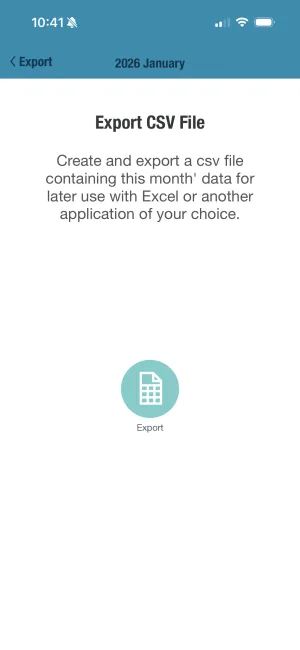
Create a dedicated category in BUDGT for home organization expenses and set a daily spending limit. As you complete each room, you can add notes using BUDGT's notes feature to track what you've accomplished. The app's CSV export feature lets you review your total spending on the project at the end.
What if my family doesn't stick to the organization system?
Make organization a family project from the start by involving everyone in the process. Assign specific tasks and zones to each family member, and use clear bins with labels so everyone knows where items belong. Establish a simple daily maintenance routine that takes just a few minutes and makes staying organized feel easy rather than overwhelming.
What's the best order to organize rooms in my home?
Start with high-impact, manageable spaces like entryways, bathroom drawers, or a single closet. Quick wins build momentum. Then tackle problem areas like kitchens and closets. Save bedrooms and storage areas for last. Completing small spaces first proves your systems work before tackling bigger challenges.
How long does it take to organize a whole house?
Working 15-30 minutes daily, most homes can be fully organized in 4-8 weeks. The kitchen and closets typically take longest (1-2 weeks each). Don't try to do everything at once—sustainable organization comes from steady progress, not exhausting marathon sessions that leave you burned out.
What should I do with items I'm decluttering?
Create three piles—donate, sell, and trash. Donate usable items to local charities within 48 hours (don't let them sit around). Sell valuable items on Facebook Marketplace or have a garage sale. Recycle or trash broken/worn items immediately. The faster items leave your home, the less likely you are to keep them.
Related Articles


Ready to take control of your budget?
Download BUDGT and start tracking your daily spending today.