Self Care on a Budget: Simple Ways to Boost Your Well-Being

Today, more than ever, self-care is essential for maintaining our mental, emotional, and physical health. But here’s the truth that wellness influencers don’t always tell you: you don’t need expensive spa days, boutique fitness classes, or luxury products to take care of yourself.
Real self-care—the kind that actually sustains you—often costs little or nothing. It’s about intentional practices that restore your energy, not Instagram-worthy purchases that drain your wallet.
This guide gives you 50+ budget-friendly self-care ideas, organized by cost and time, along with strategies to make wellness a sustainable part of your life without financial stress.
The Real Cost of Self-Care
Before diving into strategies, let’s understand what self-care actually costs—and where the expensive reputation comes from.
Marketed vs. Actual Self-Care Costs
What They Sell vs. What Actually Works
Why Budget Self-Care Works Better
| Expensive Self-Care | Budget Self-Care |
|---|---|
| Occasional treat (can’t sustain) | Regular practice (builds habits) |
| Dependent on appointments/availability | Available whenever you need it |
| Can create financial stress | Stress-free and sustainable |
| External validation focused | Internal well-being focused |
| One-time mood boost | Cumulative wellness benefits |
Building Your Self-Care System
Audit Your Current Wellness
Assess what's working, what's missing, and what drains you. Understanding your baseline helps you target self-care effectively.
Identify Your Self-Care Needs
Physical, emotional, mental, social, and spiritual wellness all matter. Different areas need different types of care.
Create a Free/Low-Cost Toolkit
Build a collection of self-care activities at every price point—from free to occasional splurges—so you always have options.
Schedule Self-Care Like Appointments
Block time for wellness in your calendar. If it's not scheduled, it won't happen consistently.
Track and Adjust
Notice what actually helps vs. what sounds good. Refine your practices based on real results.
50+ Self-Care Ideas by Cost
Completely Free ($0)
| Activity | Time Needed | Type | Best For |
|---|---|---|---|
| Morning stretching | 5-10 min | Physical | Energy boost |
| Deep breathing exercises | 5 min | Mental | Stress relief |
| Nature walk | 20-60 min | Physical/Mental | Mood lift |
| Journaling | 10-20 min | Emotional | Processing feelings |
| Free meditation apps | 10-20 min | Mental | Calm and focus |
| Phone-free hour | 60 min | Mental | Digital detox |
| Early bedtime | — | Physical | Rest and recovery |
| Dancing to music | 10-20 min | Physical/Emotional | Joy and movement |
| Declutter one drawer | 15 min | Mental | Sense of control |
| Gratitude practice | 5 min | Emotional | Perspective shift |
| Sun exposure | 15 min | Physical | Vitamin D, mood |
| Library visit | 30-60 min | Mental | Quiet, learning |
| Free YouTube yoga | 20-45 min | Physical | Flexibility, calm |
| Cold water face splash | 1 min | Physical | Instant refresh |
| Progressive muscle relaxation | 15 min | Physical/Mental | Tension release |
Low Cost ($1-15)
| Activity | Cost | Time | Type | Notes |
|---|---|---|---|---|
| DIY face mask | $2-5 | 20 min | Physical | Kitchen ingredients |
| Bubble bath | $3-8 | 30-60 min | Physical | Epsom salts optional |
| Herbal tea ritual | $2-5 | 15 min | Physical/Mental | Good quality loose leaf |
| Candle ambiance | $3-10 | Ongoing | Mental | Dollar store options |
| Adult coloring book | $5-15 | 30-60 min | Mental | One-time purchase |
| Cheap fresh flowers | $5-10 | — | Emotional | Grocery store bouquet |
| Nice soap/lotion | $5-12 | Daily | Physical | Small luxury feel |
| Movie rental at home | $3-6 | 2 hours | Emotional | Date night with yourself |
| Essential oil diffuser | $15 | Ongoing | Mental | One-time purchase |
| Park picnic | $10-15 | 1-2 hours | Social/Physical | Pack your own food |
Moderate Cost ($15-50)
| Activity | Cost | Frequency | Type | Value |
|---|---|---|---|---|
| Massage tool/foam roller | $20-40 | Daily use | Physical | One-time purchase |
| Nice journal | $15-25 | 3-6 months | Emotional | Quality matters |
| Yoga mat | $15-30 | Years | Physical | One-time purchase |
| At-home facial kit | $20-40 | Multiple uses | Physical | Better than single spa visit |
| Weighted blanket | $30-50 | Daily | Mental | Anxiety relief |
| House plants | $15-30 | Ongoing | Emotional | Multiple benefits |
| Cooking class (community) | $20-40 | 2-3 hours | Social/Creative | Learning + food |
| Comfortable pajamas | $25-40 | Daily | Physical | Sleep quality |
Occasional Splurges ($50+)
| Activity | Cost | Frequency | Why Worth It |
|---|---|---|---|
| Professional massage | $60-100 | Quarterly | Physical reset |
| Float tank session | $50-80 | 2-3x/year | Deep relaxation |
| Day trip getaway | $50-100 | 1-2x/year | Mental refresh |
| Quality skincare item | $30-80 | Lasts months | Daily luxury |
| Fitness class series | $50-100 | 1-2 months | Community + movement |
DIY Home Spa Recipes
Save hundreds with these simple, effective treatments using kitchen ingredients.
DIY Face Masks
| Mask Type | Ingredients | Cost | Best For |
|---|---|---|---|
| Moisturizing | 1 tbsp honey + 1 tbsp yogurt | $1 | Dry skin |
| Clarifying | 1 tbsp honey + 1/2 tsp cinnamon | $0.50 | Oily/acne-prone |
| Soothing | 2 tbsp oatmeal + water paste | $0.25 | Sensitive skin |
| Brightening | 1 tbsp honey + 1 tsp lemon juice | $0.75 | Dull skin |
| Hydrating | 1/4 mashed avocado + 1 tbsp honey | $1.50 | Very dry skin |
DIY Body Treatments
| Treatment | Recipe | Cost | Benefits |
|---|---|---|---|
| Body scrub | 1/2 cup sugar + 1/4 cup coconut oil | $2 | Exfoliation, soft skin |
| Bath soak | 1 cup Epsom salt + 5 drops essential oil | $1 | Muscle relaxation |
| Hair mask | 2 tbsp coconut oil, warm and apply | $1 | Deep conditioning |
| Foot soak | Warm water + 1/2 cup Epsom salt + peppermint oil | $1 | Tired feet relief |
| Cuticle treatment | Olive oil, warm and soak nails | $0.25 | Nail health |
Home Spa Day Checklist
| Step | Time | What to Do |
|---|---|---|
| 1. Set the mood | 5 min | Candles, music, phone on silent |
| 2. Facial steam | 5-10 min | Hot water in bowl, towel over head |
| 3. Face mask | 15-20 min | Apply, relax while it works |
| 4. Bath or shower | 20-30 min | Body scrub, hair mask |
| 5. Moisturize | 10 min | Full body, face, hands, feet |
| 6. Relax | 30+ min | Tea, book, rest |
Total cost: $5-10 | Spa equivalent: $150-300
Self-Care by Time Available
Micro-Moments (5 Minutes or Less)
When you only have a few minutes, these quick practices help:
| Activity | Time | When to Use |
|---|---|---|
| Box breathing (4-4-4-4) | 2 min | Before stressful situations |
| Quick stretching | 3-5 min | Between tasks |
| Hand massage with lotion | 3 min | Anytime |
| Gratitude listing (3 things) | 2 min | Morning or evening |
| Cold water face splash | 1 min | Afternoon slump |
| Step outside for fresh air | 3-5 min | When feeling stuck |
| Drink a full glass of water | 1 min | Several times daily |
| Close eyes and breathe deeply | 2 min | Work breaks |
Short Breaks (15-30 Minutes)
| Activity | Time | Best For |
|---|---|---|
| Walk around the block | 15 min | Energy and mood |
| Listen to favorite songs | 15 min | Emotional lift |
| Quick yoga video | 20 min | Physical tension |
| Journaling session | 20 min | Processing feelings |
| Face mask while relaxing | 20 min | Physical and mental |
| Power nap | 20-30 min | Exhaustion |
| Read for pleasure | 30 min | Mental escape |
| Gentle stretching routine | 15 min | Body awareness |
Dedicated Time (1+ Hours)
| Activity | Time | Benefits |
|---|---|---|
| Full home spa treatment | 1-2 hours | Complete reset |
| Long nature walk/hike | 1-3 hours | Exercise + nature |
| Creative hobby session | 1-2 hours | Expression, flow state |
| Cooking a special meal | 1-2 hours | Nourishment, creativity |
| Movie or show marathon | 2-4 hours | Intentional rest |
| Day trip excursion | Half day+ | Adventure, perspective |
| Unscheduled free time | 2+ hours | Freedom, spontaneity |
Self-Care for Different Needs
Physical Self-Care
| Need | Free Options | Budget Options |
|---|---|---|
| Energy boost | Morning walk, dancing, stretching | Home workout videos |
| Better sleep | Sleep hygiene routine, early bedtime | Lavender pillow spray |
| Nutrition | Mindful eating, home cooking | Quality ingredients |
| Movement | Walking, home exercises, YouTube yoga | Resistance bands |
| Relaxation | Progressive muscle relaxation | Foam roller, bath salts |
Emotional Self-Care
| Need | Free Options | Budget Options |
|---|---|---|
| Processing feelings | Journaling, talking to friend | Nice journal |
| Joy and play | Dancing, games, silliness | Art supplies |
| Connection | Quality time, phone calls | Coffee with friend |
| Self-compassion | Mirror affirmations, self-kindness | Self-help books |
| Crying it out | Let yourself feel | Cozy blanket, tissues |
Mental Self-Care
| Need | Free Options | Budget Options |
|---|---|---|
| Stress relief | Deep breathing, meditation apps | Weighted blanket |
| Mental stimulation | Library books, podcasts, puzzles | Online courses |
| Digital detox | Phone-free time, nature | Leave phone at home |
| Creativity | Writing, drawing, crafting | Basic supplies |
| Learning | Free online courses, YouTube | Specialty books |
Self-Care ROI: Cost vs. Well-Being Impact
Well-being impact doesn’t always correlate with cost
Your Weekly Self-Care Plan
Sample Budget-Friendly Week
| Day | Morning (5 min) | Afternoon (15 min) | Evening (30 min) |
|---|---|---|---|
| Mon | Stretching | Walk break | Epsom salt bath |
| Tue | Gratitude journal | Fresh air break | Read for pleasure |
| Wed | Deep breathing | Dance break | Face mask |
| Thu | Morning sunlight | Nature walk | Early bedtime |
| Fri | Affirmations | Podcast walk | Home spa night |
| Sat | Sleep in | Creative hobby | Movie + treats |
| Sun | Leisurely breakfast | Outdoor time | Prep for week |
Monthly Self-Care Budget
| Category | Budget | Ideas |
|---|---|---|
| Weekly basics | $0 | Free activities |
| Small treats | $10-20 | Nice tea, fresh flowers, bath products |
| Occasional splurge | $0-50 | Massage, class, special outing |
| Monthly total | $10-70 | Sustainable, consistent |
Overcoming Self-Care Barriers
Common Obstacles and Solutions
| Barrier | Solution |
|---|---|
| “I don’t have time” | Start with 5-minute micro-practices |
| “I feel guilty” | Recognize self-care as necessary, not indulgent |
| “I can’t afford it” | Most effective self-care is free |
| “I don’t know what to do” | Try activities from this list, notice what helps |
| “My family needs me” | Model self-care for them, involve them |
| “It feels selfish” | You can’t pour from an empty cup |
| “I forget to do it” | Schedule it, set reminders |
| “It doesn’t seem to help” | Try different types, be consistent |
Signs You Need More Self-Care
| Warning Sign | What It Means | Self-Care Response |
|---|---|---|
| Constant exhaustion | Physical depletion | Rest, sleep, gentle movement |
| Irritability | Emotional overwhelm | Alone time, journaling, nature |
| Brain fog | Mental fatigue | Digital detox, rest, fresh air |
| Isolation | Social neglect | Reach out, connect, community |
| Loss of joy | Burnout warning | Play, creativity, what used to bring joy |
Making Self-Care Sustainable
The Self-Care Habit Loop
- Cue: Same time/trigger daily (morning alarm, lunch break, after kids’ bedtime)
- Routine: Your chosen self-care activity
- Reward: How you feel after (calmer, energized, happier)
Stacking Self-Care with Existing Habits
| Existing Habit | Add Self-Care |
|---|---|
| Morning coffee | + 5 min journaling |
| Commute | + Podcast/music you love |
| Lunch break | + 10 min walk outside |
| Shower | + Upgrade to nice products |
| Bedtime | + 10 min reading |
Monthly Self-Care Audit
Ask yourself each month:
- What self-care activities did I actually do?
- What made me feel best?
- What did I skip and why?
- What do I want to try next month?
- Do I need to adjust my budget or schedule?
You Deserve Affordable Self-Care
Self-care doesn’t require a big budget—it requires intention. The most powerful wellness practices are often free: adequate sleep, time in nature, deep breathing, movement, and genuine human connection.
When you do spend on self-care, let it be planned, guilt-free, and aligned with what actually restores you. Track your self-care spending just like any other category, and you’ll find the sustainable balance that works for your life and your budget.
Start small. Try one new practice this week. Notice how you feel. Build from there.
Your well-being matters, and you don’t have to go broke to protect it. One mindful moment, one deep breath, one small investment in yourself at a time.
Frequently Asked Questions
How can BUDGT help me afford self-care activities on a tight budget?
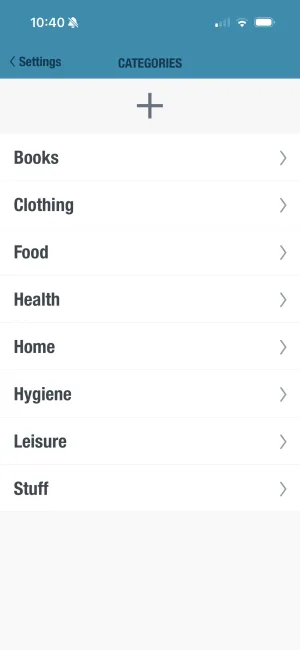
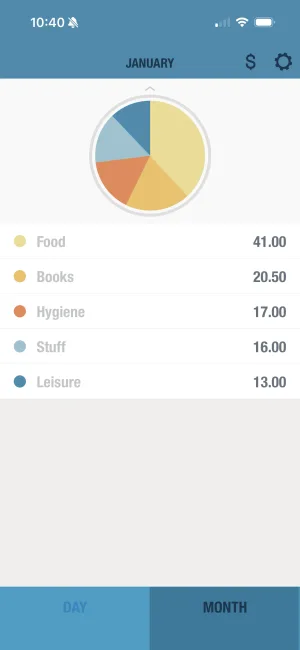
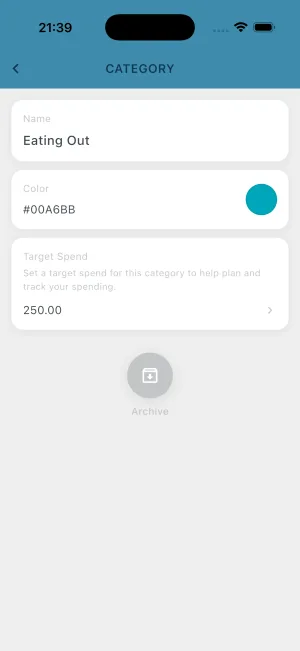
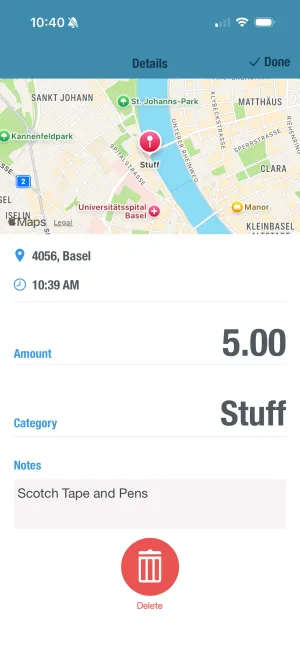
BUDGT's daily budget philosophy helps you identify exactly how much money you can allocate to self-care without overspending. Use Categories to create a dedicated "self-care" budget, track what you spend on wellness activities, and see where you can reallocate funds from less important expenses to things that boost your well-being.
Can I track both paid and free self-care activities in BUDGT?
Yes! While BUDGT primarily tracks monetary expenses, you can use the Notes feature to document free self-care activities like nature walks, home spa days, or meditation sessions. This creates a complete picture of your wellness routine and helps you appreciate the value of low-cost self-care.
Is BUDGT available on Android phones?
BUDGT is currently iOS only, designed specifically for iPhone users who want a simple, offline budgeting solution for tracking self-care and other expenses.
How does BUDGT's offline functionality support self-care and well-being?
BUDGT works 100% offline with no cloud sync or bank linking. This means you're not constantly connected to online services, reducing digital stress and screen time anxiety. You can track expenses quickly and get back to your self-care activities without distractions.
Can BUDGT help me save for bigger self-care investments like a massage or wellness retreat?
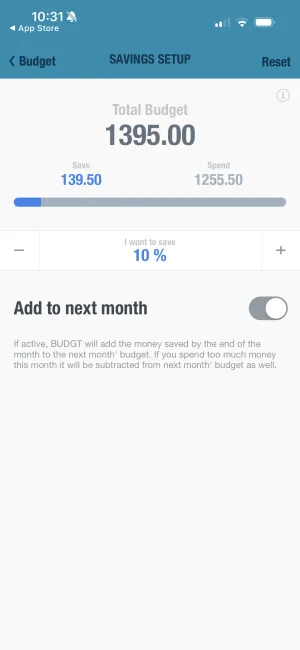
Absolutely! Use BUDGT's Savings Mode to set aside money gradually for larger self-care goals. Track your progress toward these treats, and use the daily budget approach to ensure you're consistently saving small amounts that add up over time.
What subscription options does BUDGT offer for people on frugal budgets?
BUDGT offers a free trial with full functionality, followed by flexible subscription plans including weekly, monthly, 3-month, 6-month, and yearly options. This variety lets you choose a plan that fits your budget while investing in a tool that helps you manage money for self-care.
How can I use BUDGT to track DIY self-care expenses like homemade spa treatments?
Create a specific Category for DIY self-care ingredients and supplies. Track purchases of items like honey, oatmeal, essential oils, or bath salts. Use the Notes feature to record what you made and how effective it was, helping you identify the most cost-effective DIY self-care options.
How much should I budget for self-care each month?
Financial experts suggest allocating 5-10% of your discretionary budget for self-care. On a tight budget, even $20-50/month is enough for occasional treats when combined with free activities. The key is consistency—small amounts regularly matter more than occasional splurges.
What if I feel guilty spending money on self-care?
Self-care isn't selfish—it's necessary for sustainable well-being. When you're burned out, you can't show up for others. Think of self-care as preventive maintenance, not a luxury. Budget for it intentionally, and the guilt fades because you've planned for it and can afford it.
How do I find time for self-care when I'm so busy?
Start with micro-moments—5-minute activities like deep breathing, stretching, or a brief walk. Stack self-care with existing routines (listen to a podcast while commuting, use nice products during your normal shower). Schedule it like any other appointment. Even 10 minutes daily is better than waiting for "perfect" time that never comes.
Related Articles


Ready to take control of your budget?
Download BUDGT and start tracking your daily spending today.