Living on a Fixed Income: A Practical Monthly Budget Guide

Living on a fixed income has a reputation for meaning “getting by on less.” But that framing misses the point. A fixed income isn’t a smaller life — it’s a predictable one, and predictability is actually a budgeting superpower. When you know exactly what’s coming in each month, you can plan with a precision that people on variable paychecks can only envy.
The catch, of course, is that when prices rise, your income doesn’t automatically rise with them. So the whole game becomes making a known amount go as far as it comfortably can — covering what matters, trimming what doesn’t, and never being caught off guard. This guide walks through exactly how to do that, whatever the source of your fixed income.
What “Fixed Income” Really Means
A fixed income is simply a set, reliable amount that arrives on a schedule rather than one that changes with hours worked or performance. It comes in several forms:
- A pension — a set monthly payment from a former employer.
- Social Security — retirement or disability benefits, often with annual cost-of-living adjustments.
- An annuity — a guaranteed income stream you’ve purchased or been granted.
- Retirement withdrawals — a planned amount you draw from savings each month.
- Disability or other benefits — a fixed monthly support payment.
Many people live on a combination — say, Social Security plus a small pension plus a modest withdrawal from savings. The first and most powerful step is simply adding these up into one reliable monthly total. That number is the foundation everything else is built on.
The One Principle That Matters Most
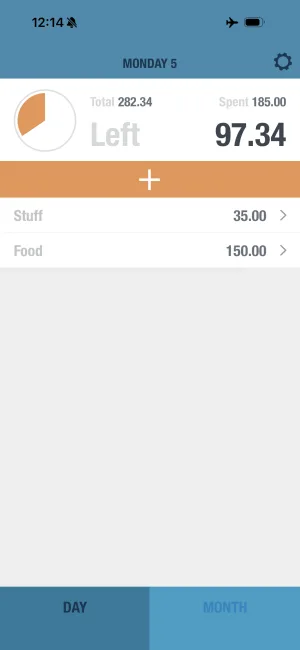
Everything about budgeting a fixed income comes down to a single idea: know your daily number and stay comfortably inside it. Because your income is predictable, you can calculate exactly what’s safe to spend day to day — and then the anxiety of “are we okay this month?” largely disappears.
Total your reliable monthly income
Add up every fixed source — pension, Social Security, annuity, planned withdrawals — into one number.
Subtract your fixed costs
Housing, utilities, insurance, phone, and any essential recurring bills.
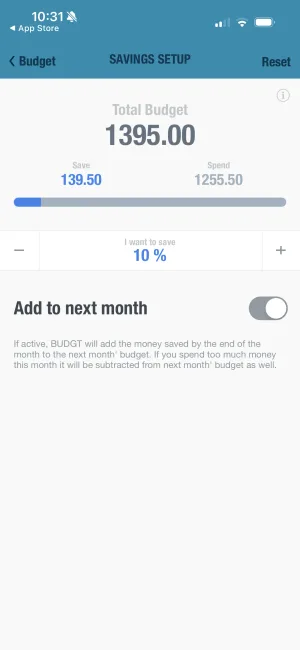
Set aside savings or a buffer
Even a small amount for emergencies or a planned expense keeps surprises from becoming crises.
Divide what's left by the days in the month
That's your daily spending limit for groceries, outings, and everyday life.
Once you have that daily figure, day-to-day decisions get simple. You’re not doing mental math at the register or dreading the end of the month — you have one clear number that tells you what’s comfortable to spend today.
Separate the Fixed From the Flexible
The single most useful move on a fixed income is to sort your spending into two buckets, because they call for completely different strategies.
| Fixed costs (reduce once, benefit all year) | Flexible costs (manage day to day) |
|---|---|
| Housing / rent / mortgage | Groceries |
| Utilities & phone | Dining out & treats |
| Insurance (home, auto, health) | Hobbies & entertainment |
| Loan or subscription payments | Gifts & outings |
Fixed costs are the big, recurring commitments. You can’t change them daily, but you can renegotiate or right-size them once and enjoy the savings every month afterward — which makes them the highest-leverage place to focus. Flexible costs are where your daily number does its work: they flex up and down with your choices, and a daily limit keeps them in line without any deprivation.
Lower Your Fixed Costs — The Biggest Lever
Because fixed costs repeat every month, trimming them even a little pays off all year. On a fixed income, this is usually where the real breathing room comes from.
Once a year, review every recurring bill. Get fresh quotes on your insurance and ask your current providers to match them — loyalty is rarely rewarded, but asking often is. Call your phone and internet companies and ask what promotions are available; there’s almost always a cheaper plan they didn’t offer. Prune subscriptions down to the few you genuinely use. And take an honest look at your two biggest costs — housing and transport — since even a modest reduction there can transform a fixed-income budget. An afternoon of phone calls can free up more money than months of small daily economies.
Plan for the Irregular Expenses
The expenses that derail a fixed income are rarely the monthly ones — those you can see coming. It’s the irregular costs that cause trouble: the annual insurance premium, the car repair, the property tax bill, the holiday spending, the medical surprise. They feel like emergencies only because they arrive all at once.
The fix is a sinking fund: instead of being ambushed by a $1,200 bill once a year, you set aside $100 a month so the money is simply ready when it’s due. It turns a budget-wrecking surprise into a non-event. List the big irregular costs you know are coming over the next year, divide each by twelve, and quietly set that amount aside monthly. On a fixed income, this one habit is the difference between smooth sailing and a scramble.
Common Challenges — and How to Meet Them
| Challenge | A practical response |
|---|---|
| Prices rise but income doesn’t | Keep fixed costs low; review the budget twice a year |
| A big bill lands all at once | Use small monthly sinking funds for known irregulars |
| No buffer for emergencies | Build even a few months’ expenses over time |
| Wanting to help family or leave a legacy | Reserve it as a goal, funded from surplus, not essentials |
| Feeling money stress despite planning | A clear daily number replaces guessing with certainty |
The theme across all of these is the same: certainty beats worry. Most fixed-income money stress comes not from the amount, but from the not-knowing. When your income, your fixed costs, and your daily spending number are all clear and in front of you, the worry has nowhere to live.
Handling Inflation
Inflation is the fixed-income challenge people worry about most, and reasonably so — when your income is set but prices climb, the gap has to come from somewhere. You can’t control prices, but you can control your exposure to them. Keeping fixed costs lean gives you the most resilient budget, because those are the expenses you can influence. A small buffer absorbs the months when costs spike unexpectedly. And reviewing your plan a couple of times a year keeps it honest, so you adjust gradually rather than discovering a problem all at once.
It also helps to remember that some fixed incomes aren’t entirely fixed against inflation — Social Security, for instance, includes cost-of-living adjustments that partially keep pace. The goal isn’t to defeat inflation single-handedly; it’s to stay flexible enough that it never catches you off guard.
A Plan, Not a Sacrifice
It’s easy to hear “fixed income” and picture a life of doing without. But the people who live well on one rarely see it that way — because good budgeting on a fixed income isn’t about denial, it’s about direction. You’re deciding, on purpose, where your reliable money goes: happily funding the things that matter to you, and quietly declining the things that don’t.
That reframe changes everything. A budget stops being a list of “no” and becomes a tool that says “yes” to what you actually care about — the visits with grandchildren, the hobby, the small daily pleasures — precisely because you’ve made room for them. Cutting a subscription you never use or negotiating a lower insurance premium isn’t sacrifice; it’s freeing up money for something better. The daily number isn’t a cage; it’s permission to spend what’s there without a shred of guilt, because you already know it’s safe.
There’s also a real dignity in doing this well. A lifetime of experience has already taught you the difference between what you need and what you merely want — budgeting a fixed income just puts that wisdom to work. Done right, it doesn’t shrink your life. It protects it, and lets you enjoy this chapter without money worry humming in the background.
A Word on Privacy
One last practical point. A lot of budgeting apps want to link directly to your bank accounts, and being cautious about that is entirely sensible — the fewer places holding your banking login, the safer you are. You shouldn’t have to trade your privacy for a clear budget. That’s exactly why BUDGT works with no bank connection: you enter your own numbers, everything stays on your device, and it runs fully offline. A modern tool that respects an old-fashioned value — keeping your finances your own business.
The Bottom Line
Living on a fixed income is really an exercise in clarity. Add up what reliably comes in, lower your fixed costs once, plan ahead for the irregular expenses, and manage the flexible spending with one daily number. Do that, and a fixed income stops feeling like a constraint and starts feeling like exactly what it is — a predictable foundation you can build a comfortable, unworried life on.
You don’t need a bigger income to feel secure. You need a clear one — and the habits to make it go the distance.
A fixed income is easier to manage with one clear number. BUDGT shows your daily spending limit — no bank connection, fully offline, entirely private — so making your money last stays simple and yours.
Frequently Asked Questions
What does living on a fixed income mean?
It means your income is a set, predictable amount each month — a pension, Social Security, an annuity, or disability benefits — rather than a paycheck that can grow with raises or overtime. The upside is predictability: you can plan precisely. The challenge is that when costs rise, your income doesn't automatically follow, so intentional budgeting matters more.
How do I budget on a fixed income?
Start by knowing your exact monthly income, then subtract your fixed costs (housing, utilities, insurance) and any savings. What's left is your flexible spending for the month, which a daily limit makes easy to manage. The biggest wins come from lowering fixed costs once — reviewing bills yearly — and planning ahead for irregular expenses so they never blow the budget.
How can I stretch a fixed income further?
Focus on the largest, most controllable costs first: review and negotiate recurring bills annually, right-size housing and transport, use senior or off-peak discounts, and plan meals to control groceries. Then handle irregular expenses with small monthly sinking funds so a big bill never forces debt. Small consistent habits stretch a fixed income far more than dramatic cuts.
How do I handle inflation on a fixed income?
Since your income doesn't automatically rise with prices, protect yourself by keeping fixed costs low (they're easier to control than prices), building even a small buffer for the months costs spike, and reviewing your budget a couple of times a year so it stays realistic. Some fixed incomes, like Social Security, include cost-of-living adjustments that help partially offset inflation.
How much should I keep in savings on a fixed income?
Even on a fixed income, an emergency buffer matters — aim for a few months of expenses if you can, so a car repair or medical bill doesn't derail you. If you're retired and drawing down savings, the goal shifts to making the money last, which careful budgeting and low fixed costs directly support.
Do I need to connect my bank to budget on a fixed income?
No. Many people prefer not to, and you don't have to. BUDGT works with no bank connection at all — you enter your income and expenses yourself, everything stays on your device, and it works fully offline. You get a clear daily number without handing over your banking login.
Related Articles



Ready to take control of your budget?
Download BUDGT and start tracking your daily spending today.