Understanding Your Credit Score: The Number That Follows You
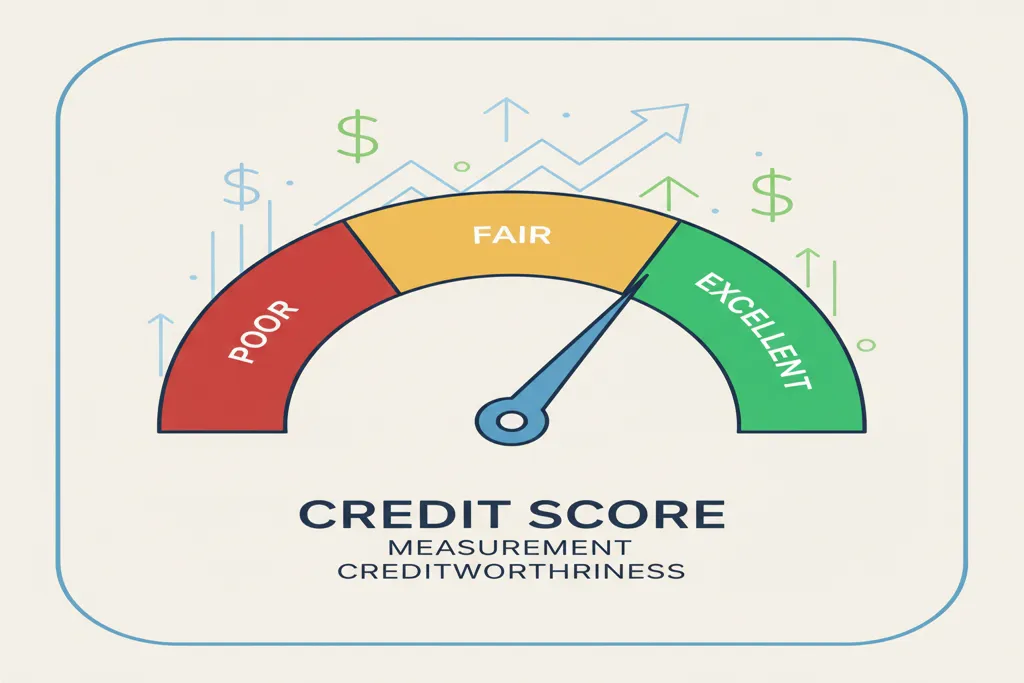
Your credit score is a three-digit number you rarely think about—until you need it. Then it determines whether you get that apartment, what interest rate you pay on a car loan, sometimes even whether you get hired.
This invisible number follows you through financial life. Understanding how it works isn’t optional; it’s essential. Let’s demystify credit scores so you can actually control yours.
What Is a Credit Score?
A credit score summarizes your creditworthiness—how likely you are to repay borrowed money based on your history of doing so.
US Credit Score Ranges (FICO)
| Score Range | Rating |
|---|---|
| 800-850 | Exceptional |
| 740-799 | Very Good |
| 670-739 | Good |
| 580-669 | Fair |
| Below 580 | Poor |
Most Americans have scores between 600 and 750. The median is around 714.
UK Credit Score Ranges (by agency)
| Agency | Scale | Good | Excellent |
|---|---|---|---|
| Experian | 0-999 | 881-960 | 961-999 |
| Equifax | 0-1000 | 420-465 | 466+ |
| TransUnion | 0-710 | 604-627 | 628+ |
The principle is the same everywhere: your history with credit predicts your future behavior, and that prediction is compressed into a number.
How Credit Scores Are Calculated
While the exact formulas are proprietary, we know the key factors:
What Makes Up Your Credit Score
FICO Score Factors
| Factor | Weight | What Helps | What Hurts |
|---|---|---|---|
| Payment History | 35% | On-time payments, every time | Late payments (30+ days), collections, bankruptcies |
| Credit Utilization | 30% | Using under 30% of available credit (under 10% is ideal) | High balances relative to limits, maxed-out cards |
| Length of History | 15% | Keeping old accounts open, even if unused | Opening many new accounts (lowers average age) |
| Credit Mix | 10% | A mix of installment loans and revolving credit | Only one type of credit |
| New Credit | 10% | Applying sparingly, rate shopping within short windows | Multiple applications in a short period |
Payment history is the biggest factor—one 30-day late payment can drop your score 50-100 points. Credit utilization is second—if you have $10,000 in credit limits and $3,000 in balances, your utilization is 30%.
What Your Credit Score Affects
Interest Rates
This is the big one. On a $250,000, 30-year mortgage:
- At 6% (excellent credit): $1,499/month, $289,595 total interest
- At 7.5% (fair credit): $1,748/month, $379,440 total interest
That 1.5% difference costs nearly $90,000 over the loan’s life. Credit scores literally save or cost you tens of thousands of dollars.
Loan Approval
Below certain thresholds, you simply won’t qualify for traditional loans. Poor credit means payday lenders and predatory rates.
Rental Applications
Landlords check credit scores. Fair or poor credit can disqualify you or require larger security deposits.
Insurance Premiums
In many states, auto and home insurance rates factor in credit-based insurance scores. Lower credit often means higher premiums.
Employment
Some employers check credit reports (not scores directly) as part of background checks, especially for financial roles.
Utility Deposits
Low credit scores may require deposits to set up utilities or cell phone service.
How to Check Your Credit Score
In the US:
- AnnualCreditReport.com: Free weekly credit reports from all three bureaus (Experian, Equifax, TransUnion). Reports don’t include scores.
- Credit card issuers: Many provide free FICO scores monthly
- Credit Karma, NerdWallet, etc.: Free VantageScores (slightly different from FICO)
In the UK:
- Each credit agency: Free statutory reports from Experian, Equifax, TransUnion
- ClearScore, Credit Karma UK: Free scores and reports
Check regularly—at least quarterly. You’re looking for errors and tracking progress.
How to Improve Your Credit Score
1. Pay Everything On Time
Set up autopay for at least minimum payments. One 30-day late payment can drop your score 50-100 points. Payment history is 35% of your score—this matters most.
2. Lower Credit Utilization
Pay down credit card balances. If you can’t pay them off, at least get below 30% utilization. Even better: below 10%.
Quick hack: ask for credit limit increases (without new accounts). More available credit with the same balance = lower utilization.
3. Don’t Close Old Accounts
That credit card you’ve had for 15 years but never use? Keep it open. Closing it shortens your credit history and reduces available credit (increasing utilization).
4. Fix Errors on Your Report
About 1 in 5 people have errors on their credit reports. Dispute inaccuracies with the bureaus. Removed errors can immediately boost your score.
5. Become an Authorized User
If a family member with excellent credit and low utilization adds you as an authorized user on their card, their good history can boost your score. You don’t need to use or even have the card.
6. Limit New Applications
Each hard inquiry dings your score slightly. Rate shop for mortgages and auto loans within a 14-45 day window—multiple inquiries for the same type of loan count as one.
7. Build Credit If You Have None
If you’re “credit invisible,” start with:
- Secured credit cards (deposit equals limit)
- Credit-builder loans
- Being added as authorized user
- Reporting rent payments to bureaus
Credit Score Myths
Myth: Checking my score hurts it
Truth: Checking your own score is a “soft inquiry” with zero impact. Check freely.
Myth: You need to carry a balance to build credit
Truth: Pay in full every month. You build credit by using the card and paying on time, not by paying interest.
Myth: Closing cards helps my score
Truth: Usually hurts. Reduces available credit (higher utilization) and eventually shortens history.
Myth: Income affects my credit score
Truth: Income isn’t in credit reports or scores. A billionaire who misses payments has bad credit. A minimum-wage worker who never misses has good credit.
Myth: Paying off collections removes them
Truth: Paid collections often stay on your report. Newer scoring models (FICO 9, VantageScore 3.0+) ignore paid collections, but older models some lenders use don’t.
Myth: Credit repair companies can quickly fix bad credit
Truth: Anything they do, you can do yourself for free. There’s no magic—just dispute errors and wait for time to heal legitimate negatives.
The Time Factor
Credit repair takes time. There’s no quick fix.
- Late payments: Maximum impact fades over 2 years; off report after 7 years
- Collections: Stays for 7 years from original delinquency
- Hard inquiries: Off report after 2 years, minimal impact after 1 year
- Bankruptcy: 7-10 years
Focus on adding positive information now while waiting for negatives to age off. Time is the healer you can’t rush.
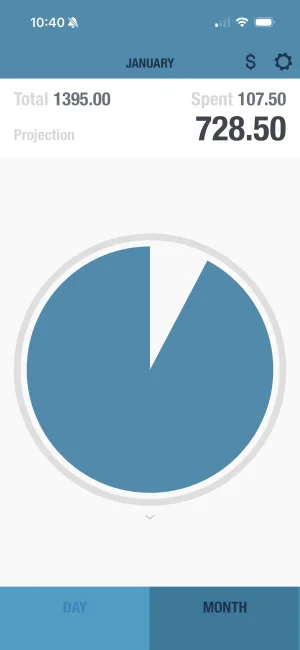
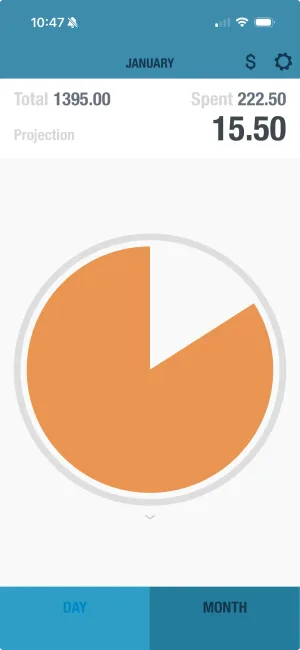
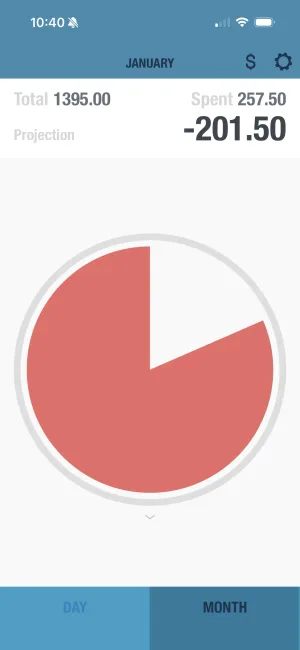
Credit Scores and Daily Budgeting
What does credit have to do with daily budgeting?
Everything.
Good credit habits are spending habits:
- Paying bills on time means knowing when bills are due
- Low utilization means not charging more than you can pay off
- Not needing new credit means living within your means
People with excellent credit typically have their finances organized. They track spending, know their balances, and pay attention to their money.
Your daily budget is where credit scores are built—one on-time payment, one within-budget month at a time.
Your Action Steps This Week
-
Check your credit reports from all three bureaus at AnnualCreditReport.com (US) or directly with agencies (UK). Look for errors.
-
Get your credit score free through your credit card issuer, bank, or Credit Karma.
-
Calculate your utilization. Add up all credit card balances, divide by total credit limits. If over 30%, make that a priority.
-
Set up autopay for at least minimum payments on all accounts. Never miss a payment again.
-
Dispute any errors. If you find mistakes, file disputes with the credit bureaus. This is free and often effective.
The Bottom Line
Your credit score is a three-digit summary of how reliably you’ve handled borrowed money. It affects interest rates, loan approvals, rental applications, and more.
The formula isn’t secret: pay on time (35%), keep utilization low (30%), maintain long history (15%), have credit mix (10%), and apply for new credit sparingly (10%).
Improving credit isn’t quick, but it’s straightforward: pay bills on time, pay down balances, keep old accounts open, and fix errors. Time does the rest.
This number follows you through financial life. Make sure it opens doors instead of closing them.
Frequently Asked Questions
What is a credit score?
A credit score is a three-digit number (typically 300-850 in the US) that summarizes your creditworthiness—how likely you are to repay borrowed money. Lenders use it to decide whether to approve loans and what interest rate to charge. Higher scores get better terms.
What's a good credit score?
In the US (FICO): Excellent is 800-850, Very Good is 740-799, Good is 670-739, Fair is 580-669, Poor is below 580. For most purposes, 720+ gets you the best rates. In the UK, scores vary by agency—Experian uses 0-999, Equifax uses 0-1000, TransUnion uses 0-710.
Does checking my credit score hurt it?
No. Checking your own score is a 'soft inquiry' and doesn't affect it at all. Check as often as you want. Only 'hard inquiries'—when lenders check your credit for actual applications—have a small, temporary impact (usually 5-10 points for a few months).
How long does negative information stay on my credit report?
Most negative items stay for 7 years: late payments, collections, foreclosures. Bankruptcies stay for 7-10 years depending on type. The impact diminishes over time—a late payment from 6 years ago hurts much less than one from 6 months ago.
Do I have one credit score or multiple?
Multiple. You have different scores from different models (FICO, VantageScore) and different bureaus (Experian, Equifax, TransUnion). They're usually similar but not identical. Lenders may use different versions for different products.
Will paying off debt immediately fix my credit score?
It helps but isn't instant. Paying collections might not immediately boost your score—some older models don't distinguish between paid and unpaid collections. Paying down credit card balances (reducing utilization) helps fastest. Time heals most credit wounds.
Can I have a credit score with no debt?
Yes, but it's harder. Credit scores need credit activity to calculate. Having no debt is great for your finances but can leave you 'credit invisible.' Having at least one credit card (paid off monthly) or a small loan builds credit history without meaningful debt.
Related Articles


Ready to take control of your budget?
Download BUDGT and start tracking your daily spending today.