End of Summer Money Reset: Get Your Budget Ready for Fall

Summer has a way of quietly emptying a budget. Trips, camps, eating out, kids home and bored, the endless “can we get ice cream?” — none of it feels huge in the moment, but it adds up. And just as the spending winds down, fall arrives with its own bill: back-to-school, higher energy costs, activities, and the first whispers of the holidays.
The fix isn’t guilt over what summer cost. It’s a reset — a short, calm check-in that closes out the season and gets your budget pointed at fall before the busy months land. Here’s how to do it in an afternoon.
Why an End-of-Summer Reset Works
Fall is one of the most expensive stretches of the year, and it arrives fast. A reset in late summer does two things at once: it helps you recover from the season you just had, and it spreads the cost of the season ahead across several paychecks instead of one painful month.
| Without a reset | With a reset |
|---|---|
| Fall costs hit all at once | Costs spread over several paychecks |
| Summer overspend lingers unnoticed | Caught and corrected early |
| Holiday shopping starts from zero | A small sinking fund is already growing |
| React to bills as they land | Plan for them before they arrive |
Step 1: See What Summer Actually Cost
You can’t reset what you can’t see. Start with an honest, no-judgment look back at the last couple of months.
Total up the summer extras
Trips, camps, dining out, activities. You're looking for the pattern, not a precise number.
Check for anything that crept up
A card balance, a 'temporary' subscription, a bill you let slide. Note it.
Catch up the essentials first
Before anything else, get current on any balance or bill that slipped.
Pick your recovery target
Emergency fund or the highest-interest balance — decide where the recovered money goes.
Step 2: Name Your Fall Expenses Now
The magic of planning is that a known cost is far less stressful than a surprise one. Get fall’s big items on paper while you still have time to prepare for them.
| Fall expense | Plan ahead by… |
|---|---|
| Back-to-school | Shopping the sales over a few weeks, not one trip |
| Higher energy bills | Padding your utilities line before the cold hits |
| Activities & sports | Budgeting registration and gear up front |
| Early holiday shopping | Starting a small monthly sinking fund now |
Even setting aside $25–50 a month toward the holidays starting now can be the difference between a calm December and a January debt hangover.
Step 3: Rebuild Your Daily Number
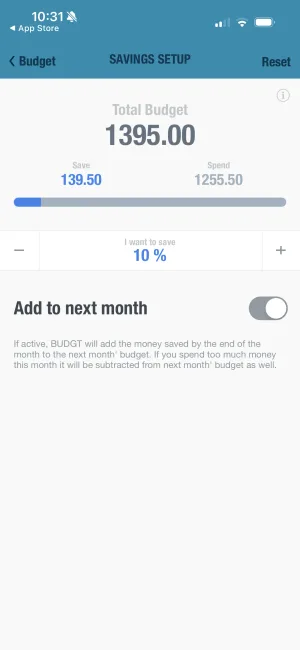
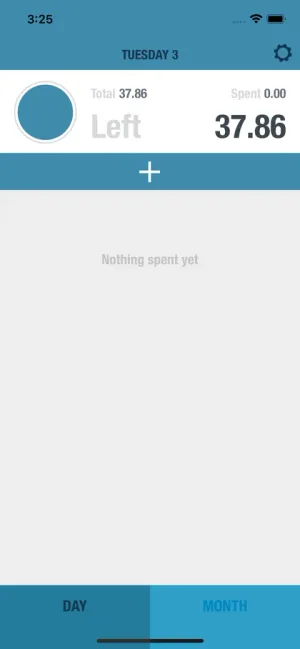
With summer accounted for and fall expenses named, reset your everyday spending. The simplest way to stay on track through a busy season is a single daily limit: your income, minus fixed bills and savings, divided by the days in the month.
When you can glance at one number and know what’s safe to spend today, the fall chaos — school nights, activities, shorter days — gets a lot easier to manage. No spreadsheets, no reconciling receipts at 11pm.
Your One-Afternoon Reset Checklist
| Do this | Why |
|---|---|
| Total up summer’s extra spending | See the pattern honestly |
| Catch up any slipped bill or balance | Stop small problems from growing |
| List your fall expenses | Turn surprises into a plan |
| Start a holiday sinking fund | Spread December over four months |
| Reset your daily spending number | Stay on track through the busy season |
What Fall Actually Costs
Fall feels expensive because it is — several big-ticket seasons stack up in a short window. Putting rough numbers to them takes the surprise out and lets you prepare. Every household is different, but here’s the shape of what tends to land between September and the holidays:
- Back-to-school: clothing, supplies, and fees add up fast, and it all hits in a matter of weeks. Spreading purchases across the late-summer sales rather than one big trip can meaningfully soften the blow.
- Rising utility bills: as the weather turns, heating costs climb. If your provider offers budget billing (averaging your annual usage into equal monthly payments), fall is the moment to consider it so winter doesn’t spike.
- Activities and sports: registration fees, gear, and uniforms often come due all at once at the start of the school year. Knowing the dates lets you set the money aside in advance.
- The holidays, arriving fast: it feels far away in September, but the first wave of holiday spending starts earlier every year. The households that stay calm in December are the ones that started setting money aside in the fall.
You don’t need exact figures. The point is simply to name these before they arrive, so each becomes a line you planned for instead of a shock that knocks the month sideways.
The Holiday Sinking Fund Math
The single best thing you can do during an end-of-summer reset is start a small holiday sinking fund — a dedicated pot you add to monthly so December is already paid for when it arrives. The math is quietly powerful.
Say you expect to spend a few hundred dollars on gifts and holiday costs. Trying to absorb that in a single December paycheck is brutal and is exactly how people end up carrying a balance into the new year. But split across the four months from now until the holidays, the same total becomes a modest, manageable monthly transfer you’ll barely feel. You’re not spending more — you’re spreading the same amount across four paychecks instead of one, and skipping the January interest charges entirely.
Set the goal now, automate a transfer on each payday, and by the time the holidays arrive the money is simply there. That’s the difference between a December you enjoy and one you spend bracing for the statement.
Your Month-by-Month Fall Plan
A reset is most useful when it turns into a light plan you can actually follow. Here’s a simple rhythm for the months ahead:
- Late summer (now): Run your reset. Total up the summer, catch up anything that slipped, name your fall expenses, start the holiday sinking fund, and reset your daily number.
- Early fall: Handle back-to-school over the sales, not in one trip. Switch to budget billing on utilities if it’s offered. Lock in activity and registration costs.
- Mid fall: Keep the sinking fund growing. Do a quick mid-season check — are you on track with your daily number, or has anything drifted? Adjust early rather than late.
- Late fall: Finalize your holiday budget against the fund you’ve built. Because the money’s already set aside, you shop from a plan instead of a panic.
None of this requires spreadsheets or hours of work. It’s a handful of small, timed moves — and together they turn the most expensive stretch of the year into one you’ve quietly already handled.
Common End-of-Summer Money Mistakes
A reset works best when you also sidestep the traps that catch most people this time of year. The biggest one is avoidance — feeling vaguely guilty about summer spending and therefore not looking, which lets small problems (a crept-up card balance, a forgotten bill) quietly grow. The whole point of a reset is that looking is less painful than not knowing; the number is almost always more manageable than the dread.
The second common mistake is treating fall as a surprise every single year. Back-to-school, higher heating bills, and the holidays arrive on roughly the same schedule annually — they only feel like ambushes because we don’t plan for them. Naming them now converts them from shocks into line items.
A third is starting holiday shopping from zero in December. By then the only options are overspending or disappointing people, and both feel bad. A small fund started in late summer removes that false choice entirely.
Finally, don’t swing from a fun summer straight into a punishing austerity fall. Sustainable beats heroic — a realistic plan you’ll actually follow through the busy season will always outperform a crash-budget you abandon by October. The reset is about steadiness, not punishment.
And one gentle reminder: the goal of all this planning is to let you enjoy fall, not to spend it anxious about money. Done right, a late-summer reset buys you exactly that — a season where the big costs are already handled, so you can be present for the good parts.
The Bottom Line
Summer costs what it costs — and you don’t need to feel bad about a season of memories with your kids. What matters is the reset: look back honestly, catch up what slipped, name what’s coming, and rebuild your daily number. Do that now and fall arrives as a plan instead of an ambush.
A calm autumn is built in late summer. An afternoon today buys you months of breathing room.
A season change is the perfect time to reset. BUDGT shows your daily spending limit after bills and savings — so you head into fall with a plan, not a scramble.
Frequently Asked Questions
How do I recover financially after summer?
Start with a quick audit of what summer actually cost, catch up any bills or balances that crept up, then rebuild your monthly plan around fall expenses. Pick one or two spending categories to tighten for a few weeks, and route the savings toward whatever summer knocked off track — usually your emergency fund or a card balance.
What fall expenses should I budget for?
The big ones are back-to-school costs, higher energy bills as the weather turns, fall activities and sports, and the early edges of holiday shopping. Naming them now — before they arrive — lets you spread the cost across several paychecks instead of absorbing it all in one brutal month.
When should I start planning my fall budget?
Late summer is ideal. Planning in the last weeks of summer gives you time to catch back-to-school sales, start a small holiday sinking fund, and adjust your daily spending before the busy season hits. A few weeks of lead time turns fall from a scramble into a plan.
How can I stop overspending every summer?
Give summer its own plan next year: a rough total for trips, activities, and eating out, tracked against a daily limit so you can see it in real time. Most summer overspending comes from many small unplanned purchases, not a few big ones — and a daily number catches exactly that.
What's a money reset?
A money reset is a short, deliberate check-in where you review recent spending, catch up anything that slipped, and re-plan for what's ahead. It's not about guilt over what you spent — it's a clean restart that gets you pointed in the right direction for the next season.
Related Articles



Ready to take control of your budget?
Download BUDGT and start tracking your daily spending today.