Impulse Buying Triggers: Know Your Weak Spots
You weren’t planning to buy anything. You were just browsing. And then somehow you’re at checkout with a cart full of things you didn’t know you needed until five minutes ago.
Sound familiar?
Impulse buying isn’t a character flaw — it’s a predictable response to carefully designed triggers. Retailers spend billions figuring out how to make you click “buy.” Understanding those triggers is how you take back control.
The Psychology of Impulse Buying
When you impulse buy, your brain experiences a dopamine surge — not from the purchase itself, but from the anticipation of the purchase. That’s why clicking “buy” feels so satisfying, and why the item often feels less exciting once it arrives.
What’s Actually Happening
| Stage | Your Brain | What You Feel |
|---|---|---|
| See item | Dopamine spike (anticipation) | Excitement, desire |
| Consider buying | Rational brain tries to engage | Justification, negotiation |
| Click “buy” | Dopamine peak | Relief, satisfaction |
| Item arrives | Dopamine drops | Often disappointment |
| See credit card bill | Reality hits | Regret, shame |
The cycle repeats because the anticipation dopamine is always there, even when the post-purchase feeling disappoints.
Your Personal Trigger Map
Most impulse buyers have 2-3 primary triggers. Identifying yours is the first step to managing them.
Emotional Triggers
| Emotion | Impulse Buying Pattern | What You’re Really Seeking |
|---|---|---|
| Stress | ”Retail therapy” | Relief, escape, control |
| Boredom | Browsing becomes buying | Stimulation, novelty |
| Sadness | ”I deserve this” | Comfort, self-soothing |
| Celebration | ”I earned this” | Reward, validation |
| Anxiety | Buying for imagined scenarios | Security, preparation |
| Loneliness | Social shopping, unboxing | Connection, ritual |
Most Common Impulse Buying Triggers
Environmental Triggers
| Trigger | How It Works |
|---|---|
| Sale prices | ”I’m saving money” (while spending money) |
| Free shipping threshold | ”Might as well add more to get free shipping” |
| Limited time offers | Creates urgency, bypasses rational thinking |
| One-click checkout | Removes friction that would create pause |
| Personalized recommendations | ”They know me so well” |
| Social proof | ”10,000 people bought this today” |
Physical State Triggers
| State | Why It Matters |
|---|---|
| Hungry | Decision-making is impaired, willpower depleted |
| Tired | Impulse control weakens significantly |
| After alcohol | Inhibitions lowered |
| After work | Mental depletion leads to shortcuts |
| Phone in bed | Half-asleep browsing leads to “oops” purchases |
Identifying Your Patterns
Track Your Impulse Purchases
For the next 30 days, whenever you buy something unplanned, note:
| Question | Your Answer |
|---|---|
| What did you buy? | |
| Where? (store, website, app) | |
| What time of day? | |
| How were you feeling before? | |
| What triggered the browse? | |
| How do you feel about it now? |
After 30 days, you’ll see your patterns clearly.
Common Pattern Examples
The Stress Shopper:
- Buys after difficult work days
- Prefers fast delivery (needs quick dopamine)
- Often returns items
- Trigger: Needing to feel in control
The Boredom Browser:
- Shops during downtime or while watching TV
- Adds to cart without intention to buy
- “Just looking” becomes buying
- Trigger: Need for stimulation
The Sale Chaser:
- Can’t resist a “good deal”
- Buys things they don’t need because they’re discounted
- Has unused items with tags still on
- Trigger: Fear of missing out on savings
Breaking the Pattern
Create Friction
The easier it is to buy, the more you will. Add obstacles:
| Friction | How It Helps |
|---|---|
| Delete saved payment info | Forces you to get card, creates pause |
| Remove shopping apps | Eliminates one-tap buying |
| Unsubscribe from retail emails | Reduces triggers |
| Use browser blockers | Limits access to shopping sites |
| Shop with a list only | Defines what’s acceptable |
The 24-48 Hour Rule
Before any non-essential purchase:
- Close the app/tab
- Wait 24-48 hours
- If you still want it, you can buy it
Most impulse urges fade within hours. The things you truly want will still be there tomorrow.
Replace the Behavior
Impulse buying fills an emotional need. Find healthier alternatives:
| If You’re Feeling | Instead of Shopping | Try This |
|---|---|---|
| Stressed | Retail therapy | Walk, exercise, call a friend |
| Bored | Browsing | Read, hobby, clean something |
| Sad | Comfort buying | Journal, bath, comfort (free) |
| Celebratory | ”I deserve this” | Free reward, experience |
| Anxious | Buying “just in case” | Deep breathing, list what you have |
Retailer Tricks to Recognize
The Urgency Play
| Tactic | What They Want You to Feel |
|---|---|
| ”Only 3 left!” | Scarcity, fear of missing out |
| ”Sale ends in 2 hours!” | Time pressure |
| ”27 people viewing this” | Competition |
| ”Back in stock - won’t last!” | Urgency + scarcity |
Reality check: If it’s always on sale, it’s not actually a sale. If there are “only 3 left,” there will be more.
The Free Shipping Trap
| Scenario | What Happens |
|---|---|
| Cart: $42 | Free shipping at $50 |
| You add: $15 item | ”To save $5 shipping” |
| Net result: Spent $10 more | But it felt like saving |
Reality check: Paying $5 shipping saves you $10 vs. buying something you don’t need.
The Personalization Illusion
“Recommended for you” isn’t magic — it’s an algorithm designed to make you buy more. Those recommendations aren’t curated for your benefit; they’re curated for conversion rates.
Building Long-Term Resistance
The Awareness Effect
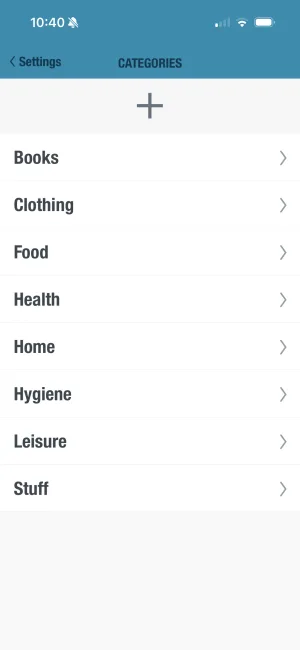
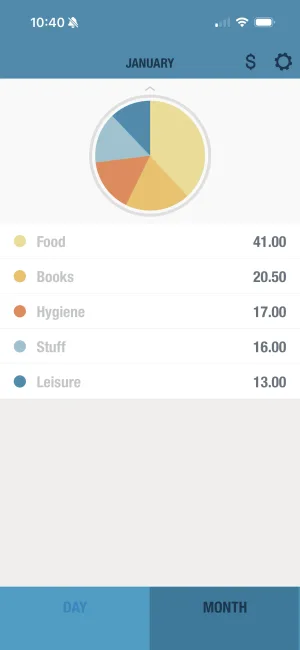
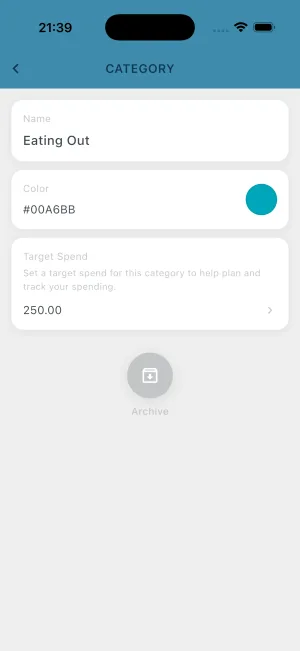
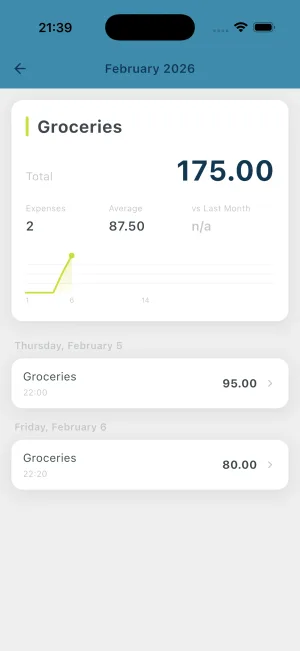
Tracking every purchase creates a psychological checkpoint:
| Without Tracking | With Tracking |
|---|---|
| Buy → Forget → Repeat | Buy → Log → See pattern |
| No consequence visibility | Immediate feedback |
| Disconnected decisions | Connected to overall picture |
The Values Alignment Check
Before purchasing, ask:
- Does this align with what I actually value?
- Will I be glad I bought this in a month?
- Is this moving me toward or away from my goals?
- Am I buying this, or am I buying a feeling?
The True Cost Calculation
Convert prices to hours of work:
| Item | Price | Your Hourly Wage | True Cost |
|---|---|---|---|
| New shoes | $120 | $30/hour | 4 hours of your life |
| Gadget | $80 | $30/hour | 2.7 hours |
| Random Amazon item | $35 | $30/hour | 1.2 hours |
Is that item worth that much of your life?
When Impulse Buying Is a Bigger Issue
Occasional impulse purchases are normal. But consider seeking support if you:
| Warning Sign | What It Might Indicate |
|---|---|
| Regularly buy things you don’t need | Pattern, not isolated incidents |
| Feel shame or hide purchases | Emotional relationship with buying |
| Have significant debt from shopping | Financial consequences mounting |
| Can’t stop even when you want to | Compulsive behavior |
| Shopping is your main coping mechanism | May need additional tools |
There’s no shame in getting help. Shopping addiction is real, and therapy can provide tools that willpower alone can’t.
The Bottom Line
Impulse buying isn’t about willpower — it’s about understanding the triggers that bypass your rational brain. Once you identify your patterns, you can:
- Add friction to make impulse buying harder
- Recognize tactics retailers use against you
- Replace the behavior with healthier alternatives
- Track spending to increase awareness
- Align purchases with your actual values
The goal isn’t to never enjoy buying things. It’s to buy intentionally — because you chose to, not because an algorithm, emotion, or sale sign chose for you.
Ready to understand your spending triggers? BUDGT helps you track every purchase with notes about how you were feeling. Patterns emerge. Awareness grows. Impulse buying shrinks.
Frequently Asked Questions
Why do I impulse buy even when I know I shouldn't?
Impulse buying bypasses rational thinking by triggering emotional responses. Dopamine release from anticipating a purchase feels like a reward. Retailers exploit this with urgency tactics, social proof, and friction-free checkout. Understanding your specific triggers is the first step to breaking the pattern.
What are the most common impulse buying triggers?
Common triggers include emotional states (stress, boredom, sadness, celebration), environmental cues (sales, limited time offers, free shipping thresholds), social influences (FOMO, influencer recommendations), and physical states (hunger, tiredness, alcohol). Most people have 2-3 primary triggers.
How do I stop myself from impulse buying?
Create friction: delete saved payment info, unsubscribe from retail emails, implement a 24-48 hour waiting rule for non-essential purchases, track every expense to increase awareness, and identify your specific triggers to avoid or manage them.
Is impulse buying a sign of a bigger problem?
Occasional impulse purchases are normal. But if you regularly buy things you don't need, feel shame after purchases, hide spending from others, or have debt from impulsive shopping, it may indicate emotional spending patterns worth addressing — possibly with professional support.
Does tracking spending actually reduce impulse buying?
Yes. Studies show that manual expense tracking increases spending awareness and creates a psychological 'checkpoint' before purchases. When you know you'll have to log a purchase, you think twice. The awareness alone reduces impulse buying by 20-30% for most people.
Related Articles

Ready to take control of your budget?
Download BUDGT and start tracking your daily spending today.