Mid-Year Financial Checkup: Your Q2 Review
Half of 2026 is behind you.
Those financial goals you set in January — saving more, spending less, paying off debt, building your emergency fund — how are they actually going?
Most people don’t check until December, when it’s too late to course-correct. A mid-year review gives you six months to adjust, catch up, or celebrate being ahead of schedule.
This is your complete mid-year financial checkup. Block 30 minutes, grab your statements, and let’s see where you really stand.
Part 1: The Goal Check
Are You On Track?
For any annual goal, you should be at roughly 50% by the end of June.
| Your 2026 Goal | 50% Target (by June) |
|---|---|
| Save $6,000 | $3,000 saved |
| Pay off $4,000 debt | $2,000 paid |
| Build $10,000 emergency fund | $5,000 in fund |
| Invest $12,000 | $6,000 invested |
Pull up your actual numbers. How do they compare?
Goal Progress Calculator
What you planned to achieve in 2026
Enter as negative if behind
Enter your numbers above - results update automatically
What If You’re Behind?
10-20% behind: Minor adjustments needed. Slightly increase monthly contributions or find small cuts.
20-40% behind: Significant catch-up required. Review whether the goal is still realistic, then create a specific plan.
40%+ behind: The goal may need revision. A smaller achieved goal beats an abandoned ambitious one.
Part 2: The Spending Audit
Where Did Your Money Actually Go?
Pull your January-June spending. Most banking apps can show you totals by category.
Key questions:
| Category | Ask Yourself |
|---|---|
| Groceries | Is this higher than expected? Food inflation hit hard — adjust future budgets if needed. |
| Dining out | How does this compare to groceries? Is the ratio where you want it? |
| Subscriptions | Are you using everything you’re paying for? |
| Shopping | Any regret purchases? Patterns you didn’t notice? |
| Transportation | Gas, rideshares, parking — any surprises? |
The Subscription Check
List every recurring charge. Include:
- Streaming services
- Software subscriptions
- Gym memberships
- App subscriptions
- Amazon Prime, delivery services
- News/media subscriptions
For each one: Have you used it in the past 30 days? If no, consider canceling.
Spending Surprises
Most people discover at least one category where they spent significantly more than expected.
Common surprises:
- Dining out (small purchases add up)
- Amazon/online shopping
- Subscriptions you forgot about
- Convenience purchases (coffee, delivery fees, rideshares)
Finding these surprises is the point. Now you can adjust for the second half of the year.
Part 3: The Debt Check
Current Debt Status
List all debts with current balances:
| Debt | Starting Balance (Jan) | Current Balance | Paid Off So Far |
|---|---|---|---|
| Credit Card 1 | |||
| Credit Card 2 | |||
| Car Loan | |||
| Student Loan | |||
| Other |
Questions to consider:
- Are balances going down as planned?
- Have you added new debt?
- Are you paying more than minimums on high-interest debt?
Interest Rate Check
When did you last check your interest rates?
- Credit cards: Rates have changed. Call and ask for a lower rate, or look into balance transfer options if you’re carrying a balance.
- Loans: If rates have dropped, refinancing might make sense.
- Savings: Is your savings account still competitive? High-yield accounts are paying 4-5% — don’t leave money in a 0.01% account.
Part 4: The Safety Net Check
Emergency Fund Status
| Question | Your Answer |
|---|---|
| Current emergency fund balance | $ |
| Monthly essential expenses | $ |
| Months of expenses covered |
Target: 3-6 months of essential expenses
If you’re under 3 months, prioritize building this before other savings goals.
Insurance Review
When did you last review:
- Health insurance: Are you using it effectively? Any changes needed for open enrollment?
- Auto insurance: Could you get a better rate? Time to shop around?
- Renter’s/homeowner’s insurance: Is coverage still adequate?
- Life insurance: If you have dependents, is coverage sufficient?
Mid-year is a good time to shop for better rates — you’re not rushed by renewal deadlines.

Part 5: The Investment Check
Retirement Contributions
| Account | 2026 Contribution Limit | Your Contributions So Far | % of Limit Used |
|---|---|---|---|
| 401(k) | $23,500 | ||
| IRA | $7,000 | ||
| HSA | $4,300 (individual) |
If you’re behind on contributions but have capacity, consider increasing your contribution rate for the rest of the year.
Employer Match Check
Are you capturing your full employer 401(k) match? This is free money — if you’re not maxing the match, prioritize this above almost everything else.
Portfolio Glance
You don’t need to obsess over performance, but check:
- Is your asset allocation still appropriate for your age and goals?
- Have you rebalanced this year if needed?
- Are you invested according to your risk tolerance?
Part 6: The Credit Check
Your Credit Score
When did you last check your credit score?
Free options:
- Credit Karma
- Your credit card’s free score
- AnnualCreditReport.com (full reports)
What to look for:
- Any unexpected changes?
- Accounts you don’t recognize?
- Errors that need disputing?
Credit Report Review
Pull your full credit report at least once a year. Look for:
- Incorrect information
- Accounts that aren’t yours
- Old negative items that should have fallen off
Your Mid-Year Action Plan
Based on your review, identify your top 3 priorities for July-December:
If you’re behind on goals:
- Recalculate what’s achievable
- Increase monthly contributions if possible
- Find spending to cut or income to add
If you found spending leaks:
- Cancel unused subscriptions immediately
- Set spending limits in problem categories
- Review weekly instead of monthly
If your safety net is thin:
- Prioritize emergency fund over other savings
- Set up automatic transfers
- Target one month of expenses as your next milestone
If you’re on track:
- Celebrate (briefly)
- Consider increasing goals slightly
- Keep doing what’s working
The 30-Minute Mid-Year Checkup
If you’re short on time, here’s the quick version:
10 minutes: Goal check
- Write down your main financial goals
- Check progress (should be ~50%)
- Note if you’re ahead/on track/behind
10 minutes: Spending check
- Pull January-June spending totals
- Identify biggest categories
- Spot any surprises or leaks
10 minutes: Safety check
- Emergency fund: How many months covered?
- Debt: Going down as planned?
- Credit: Any issues?
Even this abbreviated version puts you ahead of most people, who never check at all.
Your Mid-Year Checkup Checklist
Gather:
- Bank statements (January-June)
- Credit card statements
- Investment account statements
- Your 2026 goals (if written down)
Review:
- Goal progress (should be ~50%)
- Spending by category
- Subscription audit
- Debt balances
- Emergency fund status
- Retirement contributions
- Credit score
Act:
- Cancel unused subscriptions
- Adjust budget based on findings
- Set priorities for July-December
- Schedule your next review (September)
The year isn’t over. Whatever you find in this checkup, you still have six months to make 2026 a financial success.
Frequently Asked Questions
What should I review in a mid-year financial checkup?
Review these key areas: progress on savings goals, spending vs. budget by category, debt payoff progress, emergency fund status, investment contributions, subscription and recurring charges, insurance coverage, and credit score changes. Also assess whether your original goals still make sense.
How do I know if I'm on track with my financial goals?
For annual goals, you should be at roughly 50% by mid-year. If you wanted to save $6,000 in 2026, you should have about $3,000 saved by June. If you're behind, calculate how much extra you need to save monthly to catch up, or adjust your goal to something achievable.
What if I'm behind on my financial goals?
Don't panic — you have six months to catch up. Options include: increasing monthly savings slightly, finding expenses to cut, picking up extra income, or adjusting goals to be realistic. A smaller achieved goal beats an ambitious abandoned one.
How often should I review my finances?
Daily: Check your spending. Weekly: Review the past week's spending. Monthly: Full budget review. Quarterly: Assess goal progress. Annually: Complete financial review and goal-setting. Mid-year is a crucial checkpoint that's often skipped.
What financial documents do I need for a mid-year review?
Gather: bank and credit card statements (January-June), investment account statements, loan/debt statements showing current balances, your original 2026 goals if written down, and any insurance policies you want to review.
Related Articles


Ready to take control of your budget?
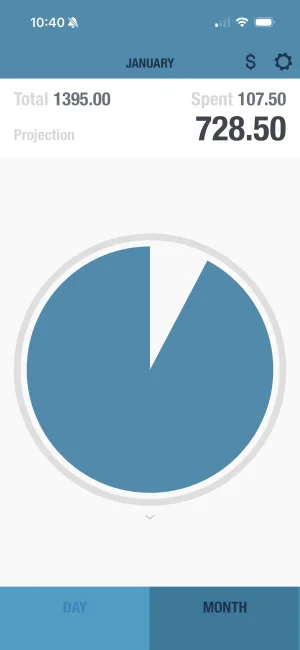
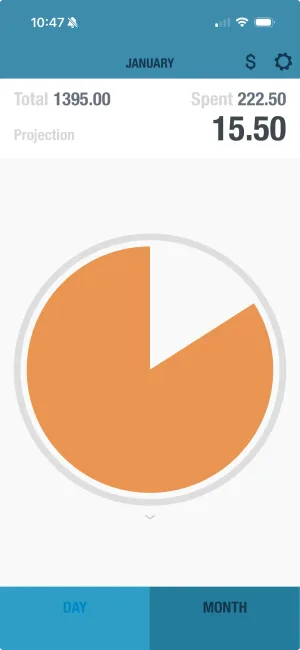
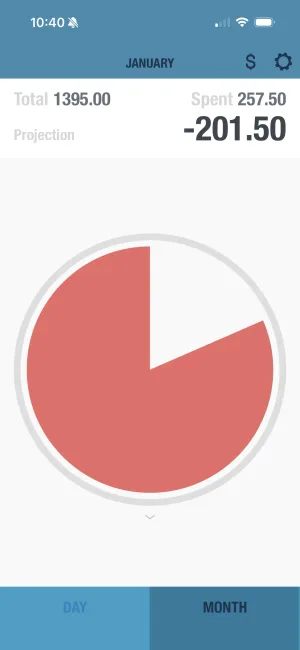
Download BUDGT and start tracking your daily spending today.