Money Blocks: Why Your Budget Keeps Failing

Money Blocks: Why Your Budget Keeps Failing
You’ve made budgets before. Detailed spreadsheets. Fresh starts on January 1st. Apps downloaded and set up with good intentions.
Two weeks later, it falls apart. Again.
The problem isn’t math or willpower. The problem is what’s happening beneath the surface—the hidden money blocks that sabotage even the best budgeting intentions.
This guide explores why budgets really fail and what you can do about it.
What Are Money Blocks?
Money blocks are unconscious beliefs, patterns, and emotional responses that interfere with financial decisions. They operate beneath awareness, influencing behavior in ways that logical planning can’t overcome.
Common signs of money blocks:
| Sign | What It Looks Like |
|---|---|
| Repeated budget failure | Budgets fail despite genuine effort |
| Financial avoidance | Avoiding looking at accounts |
| Action paralysis | Knowing what to do but not doing it |
| Self-sabotage | Undermining success when finances improve |
| Emotional reactivity | Strong emotional reactions to money discussions |
These aren’t character flaws. They’re learned patterns—and they can be unlearned.
The Seven Most Common Money Blocks
| Block | Core Pattern | Root Cause |
|---|---|---|
| Scarcity | ”There’s never enough” | Childhood financial instability |
| Deprivation | ”Budgeting means suffering” | Controlling upbringing or diet culture |
| Avoidance | ”If I don’t look, it’s not real” | Shame around finances |
| Worthiness | ”I don’t deserve security” | Low self-worth |
| Control | ”Money is how I manage chaos” | Life feeling out of control |
| Identity | ”I’m not a money person” | Early messages about abilities |
| Emotional | ”Money manages feelings” | Spending linked to emotional regulation |
1. The Scarcity Block
Pattern: “There’s never enough, so why bother planning?”
How it shows up:
- Avoiding budgets because “they just confirm I’m broke”
- Spending money quickly before it “disappears”
- Feeling hopeless about improving finances
- Not saving because “what’s the point of $50?”
Root: Often comes from childhood financial instability or messages like “we can’t afford that” heard repeatedly.
Challenge: Scarcity thinking creates the outcomes it fears. Not budgeting leads to more scarcity.
2. The Deprivation Block
Pattern: “Budgeting means suffering and restriction.”
How it shows up:
- Budgets that are immediately too restrictive
- Feeling rebellious against your own limits
- “Treating yourself” as rebellion against the budget
- Binge spending after periods of restriction
Root: Often linked to controlling upbringings or early dieting patterns that created restrict-binge cycles.
Challenge: Budgets designed as punishment will be abandoned.
3. The Avoidance Block
Pattern: “If I don’t look at it, it’s not real.”
How it shows up:
- Unopened bank statements
- Refusing to check account balances
- Ignoring bills until they’re overdue
- Financial anxiety that prevents any money management
Root: Often shame-based. Looking at finances feels like confronting personal failure.
Challenge: Avoidance allows problems to compound. Small issues become crises.
4. The Worthiness Block
Pattern: “I don’t deserve financial security.”
How it shows up:
- Self-sabotaging when money accumulates
- Giving money away impulsively
- Underearning relative to capabilities
- Sabotaging budget success
Root: Low self-worth that extends to financial domains. “Good things aren’t for people like me.”
Challenge: Unconscious belief that you don’t deserve stability prevents building it.
5. The Control Block
Pattern: “Money is how I maintain control (or feel out of control).”
How it shows up:
- Rigid budgets that break at the slightest variance
- Control through extreme frugality
- Anxiety when others spend money
- Money as the only area of life that feels manageable
Root: Often develops when life feels chaotic. Money becomes the controllable element.
Challenge: Over-control leads to burnout and backlash. Under-control creates chaos.
6. The Identity Block
Pattern: “I’m just not a money person.”
How it shows up:
- “I’m bad with numbers” (believed to be inherent)
- Financial tasks delegated entirely to others
- Budgets attempted halfheartedly because “it won’t work for me”
- Identity built around being carefree about money
Root: Early experiences or messages that convinced you finance isn’t your domain.
Challenge: Identity blocks prevent trying fully. If it’s “not who you are,” why put in real effort?
7. The Emotional Block
Pattern: “Money is for managing feelings.”
How it shows up:
- Shopping to cope with stress, boredom, sadness, celebration
- Budget breaks when emotions run high
- Spending as reward/comfort
- Unable to separate emotional state from spending
Root: Money/spending became linked to emotional regulation early on.
Challenge: Emotions don’t follow budgets. If spending is your primary coping mechanism, budgets will constantly break.
Identifying Your Money Blocks
You likely recognized yourself in multiple patterns. Most people have 2-3 dominant blocks.
Reflection Questions
- What did your family teach you about money (explicitly or implicitly)?
- What emotions come up when you think about budgeting?
- What happens right before your budgets fail?
- What story do you tell yourself about why budgets don’t work for you?
- Is there a pattern to when/how you overspend?
The Pattern Log
For two weeks, notice when you want to spend outside your budget:
- What triggered the urge?
- What emotion were you feeling?
- What did you tell yourself to justify it?
- What need were you trying to meet?
This data reveals your specific blocks in action.
Working Through Money Blocks
General Principles
Awareness is the first step: Simply naming “that’s my scarcity block talking” reduces its power.
Blocks need addressing, not ignoring: Building budgets that don’t account for your blocks sets you up for failure.
Change takes time: These patterns developed over years. They won’t disappear overnight.
Compassion beats criticism: Shaming yourself for having blocks reinforces them.
Specific Strategies by Block
| Block | What to Try |
|---|---|
| Scarcity | Practice abundance thinking. Track what you DO have. Start with tiny amounts. Build evidence that small savings matter. |
| Deprivation | Build indulgence into your budget. Allow categories for joy. Make budgeting feel like choice, not punishment. |
| Avoidance | Start with low-stakes looking. Check one account for 30 seconds. Build tolerance gradually. No judgment—just observation. |
| Worthiness | Notice self-sabotage when it happens. Ask “what would I advise a friend?” Treat yourself as you’d treat someone you love. |
| Control | Build flexibility into budgets. Practice letting small things go. Distinguish between helpful tracking and anxious monitoring. |
| Identity | Adopt “I’m becoming a person who manages money well.” Start with one tiny financial task. Build evidence for new identity. |
| Emotional | Develop alternative coping strategies. Identify emotions before spending. Create a pause between feeling and action. |
Building Block-Aware Budgets
Traditional budgets assume you’re a rational actor making logical decisions. You’re not—none of us are.
Design for Your Blocks
| Your Block | Budget Design Tips |
|---|---|
| Scarcity | Budget around what you have, not what you lack. Celebrate small wins. Focus on stability, not deprivation. |
| Deprivation | Include a “guilt-free” fund. Make the budget feel abundant. Allow treats within structure. |
| Avoidance | Automate what you can. Make checking accounts quick and easy. Start with weekly, not daily, engagement. |
| Worthiness | Start with saving for yourself, not just bills. Practice the phrase “I deserve financial peace.” |
| Control | Build in variance allowance (±10%). Practice adapting to changes without abandoning the whole plan. |
| Identity | Start with “I’m experimenting with budgeting” rather than “I have to be good at this.” |
| Emotional | Add emotional check-in to your budgeting routine. Build alternative coping strategies into your life. |
When Budget Failure Signals Something Deeper
Sometimes failing budgets reveal issues beyond budgeting:
| Issue | Signs |
|---|---|
| Relationship problems | Hiding spending from partners, fighting about money, incompatible financial values |
| Mental health | Depression, anxiety, ADHD, or other conditions affecting executive function |
| Trauma responses | Past financial trauma creating protective patterns |
| Systemic issues | Income genuinely insufficient for basic needs (this isn’t a mindset problem) |
If your budget struggles persist despite genuine effort, consider whether professional support—financial therapy, couples counseling, mental health treatment—might help.
The Path Forward
Breaking money blocks is a process, not an event.
| Phase | Focus | Activities |
|---|---|---|
| Month 1 | Awareness | Identify your primary blocks. Notice when they activate. No pressure to change—just observe. |
| Month 2 | Experimentation | Try one block-specific strategy. Build budgets that account for your patterns. Track what works. |
| Month 3 | Adjustment | Refine your approach based on experience. Add additional strategies. Notice gradual shifts. |
| Ongoing | Integration | Blocks become weaker with consistent work. New patterns become automatic. Occasional reactivation is normal. |
Why This Time Can Be Different
Every failed budget taught you something. Every pattern you’ve identified is now conscious instead of hidden.
You’re not starting from zero. You’re starting with awareness—the one thing that was missing before.
Money blocks are real, powerful, and changeable. They explain why budgets failed despite good intentions. They also point the way toward budgets that can actually succeed.
The path isn’t about more discipline. It’s about understanding what’s really been in the way—and building systems that account for your whole self, not just the rational parts.
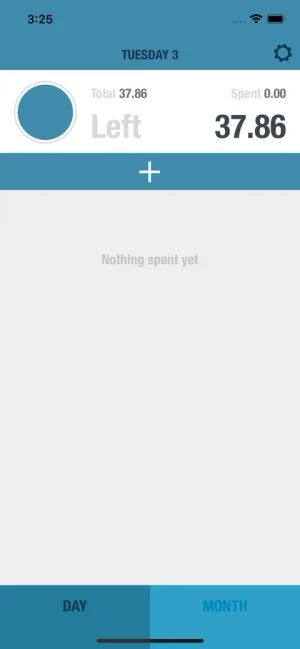
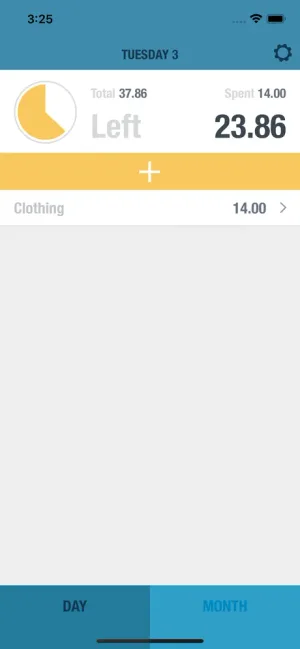
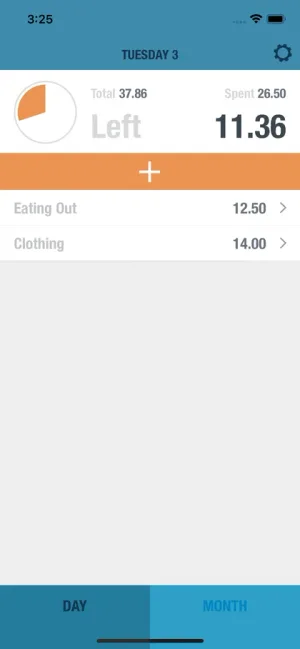
When you’re ready to track spending simply, BUDGT helps you stay aware without overwhelm. One number tells you what you can spend today—simple enough to use even when money blocks make finances feel hard.
Frequently Asked Questions
What exactly is a money block?
A money block is an unconscious belief, pattern, or emotional response that interferes with financial decisions and behaviors. Money blocks operate beneath awareness, influencing spending, saving, and budgeting in ways that logical planning can't overcome. They develop through childhood experiences, cultural messages, and past financial trauma.
How do I know if I have money blocks?
Signs include: budgets that repeatedly fail despite genuine effort, avoiding looking at financial accounts, knowing what to do but not doing it, self-sabotaging when finances improve, and strong emotional reactions to money discussions. If you've tried multiple approaches without success, hidden money blocks likely play a role.
Can money blocks be overcome?
Yes, though it takes time and consistent effort. Money blocks developed over years through repeated experiences and won't disappear overnight. The process involves awareness (recognizing your patterns), experimentation (trying new approaches), and integration (new patterns becoming automatic). Most people see meaningful progress within 3-6 months of focused work.
What's the most common money block?
The emotional block—using spending to manage feelings—is extremely common. Shopping to cope with stress, boredom, sadness, or even celebration affects many people. The deprivation block (viewing budgets as suffering) and avoidance block (not looking at finances) are also widespread. Most people have 2-3 dominant blocks.
Why do my budgets keep failing even when I try hard?
Traditional budgets assume rational decision-making, but most spending is influenced by emotions, unconscious patterns, and learned behaviors. If your budgets don't account for your specific money blocks, they're fighting against powerful forces operating beneath awareness. The issue isn't effort—it's that the approach doesn't address what's really happening.
How do childhood experiences create money blocks?
Children absorb messages about money from watching parents, hearing family discussions, and experiencing financial events. Scarcity, conflict around money, excessive restriction, or linking money to love/worth can create patterns that persist into adulthood. These patterns made sense as adaptations to childhood circumstances but may not serve adult financial health.
Should I work with a professional on my money blocks?
Consider professional support if: your patterns persist despite genuine self-help efforts, you suspect underlying mental health issues (depression, anxiety, ADHD), your money blocks significantly affect relationships, or there's past financial trauma. Financial therapists specifically address the emotional and psychological aspects of money.
What's the difference between money blocks and just being bad with money?
"Bad with money" implies a fixed character trait. Money blocks are learned patterns that developed for understandable reasons and can be changed. Reframing from "I'm bad with money" to "I have patterns that interfere with money management" is itself therapeutic—it opens the door to change rather than confirming permanent limitation.
Can money blocks affect relationships?
Absolutely. Different money blocks between partners create conflict (spender vs. saver), hidden spending damages trust, avoiding money conversations prevents partnership, and projecting your money issues onto partners creates resentment. Working on individual money blocks often improves relationship dynamics around finances.
How do I build a budget that accounts for my money blocks?
Design your budget to work with your patterns, not against them. For deprivation blocks: include guilt-free spending. For avoidance: automate and simplify. For emotional blocks: build alternative coping strategies. For scarcity: focus on having, not lacking. The best budget acknowledges your whole self, not just the rational parts.
Related Articles



Ready to take control of your budget?
Download BUDGT and start tracking your daily spending today.