How to Stop Emotional Spending for Good
How to Stop Emotional Spending for Good
You know the pattern. Stressful day at work—order something online. Feeling lonely—wander through Target. Celebrating something—treat yourself. Bored on a Sunday—browse Amazon.
The emotion comes first. The spending follows. And the cycle continues.
Emotional spending isn’t about lack of information or bad budgets. It’s about the invisible connection between how you feel and how you shop. Breaking that connection is the key to financial change.
Understanding Emotional Spending
What It Is
Emotional spending is purchasing driven by feelings rather than needs. The transaction serves an emotional purpose—comfort, distraction, reward, control—that has nothing to do with the item bought.
What It Isn’t
All emotion-related purchases aren’t problematic. Buying a birthday gift because you love someone is emotional and healthy. The problem is when spending becomes your primary way to manage emotions.
The Emotional Spending Cycle
- Emotion arises (stress, boredom, sadness, even joy)
- Shopping urge appears (the learned response)
- Justification activates (“I deserve it,” “It’s on sale,” “Just once”)
- Purchase happens (the relief, the dopamine hit)
- Brief satisfaction (the new thing feels good)
- Reality sets in (the feeling fades, spending guilt may appear)
- Original emotion remains (plus possible additional shame)
- Cycle repeats
Notice: the original emotion is never actually addressed. Spending provides temporary escape, not resolution.
Identifying Your Emotional Triggers
The Main Categories
Stress spending: Using purchases to feel in control or to escape overwhelm.
Comfort spending: Buying things when sad, anxious, or lonely to feel better.
Boredom spending: Shopping as entertainment when you have nothing else to do.
Reward spending: “I deserve this” after accomplishment or survival.
Social spending: Buying to fit in, impress others, or participate.
Identity spending: Purchasing to become who you want to be.
Mapping Your Personal Triggers
For two weeks, notice every spending urge. Ask:
- What emotion am I feeling?
- What just happened before this urge?
- What time of day is it?
- Where am I (physically and mentally)?
- What need am I trying to meet?
Patterns emerge quickly. You’ll discover your specific trigger profile.
The Pause Practice
The most powerful intervention is simple: create space between feeling and spending.
The 24-Hour Pause
For any non-essential purchase:
- Notice the urge
- Add item to a list (not cart)
- Wait 24 hours
- If you still want it, reconsider
Most emotional purchases don’t survive 24 hours. The feeling fades, and with it, the desire.
The Emotion Check-In
Before purchasing, answer honestly:
- Am I buying this because I need it, or to feel something?
- Will this item improve my life, or just change my mood temporarily?
- How will I feel about this purchase tomorrow? Next week?
The answers often provide clarity the urge obscures.
The Physical Pause
When shopping in stores, put items in your cart but don’t check out. Walk around for 10 minutes. Then revisit the cart. Many items won’t feel as necessary.
Building Alternative Coping Strategies
Emotional spending survives because it works—temporarily. Breaking the pattern requires alternatives that also work.
The Alternatives Menu
Create a list of non-spending options for each emotional trigger:
When stressed:
- Walk outside
- Call/text someone
- Hot shower or bath
- Deep breathing for 5 minutes
- Write what’s bothering you
When bored:
- Read
- Create something
- Clean/organize
- Exercise
- Call a friend
When sad:
- Journal
- Watch something comforting
- Reach out to someone
- Move your body
- Allow the feeling without fixing it
When celebrating:
- Share the news with someone
- Enjoy a special meal at home
- Document the achievement
- Plan something (without paying yet)
When lonely:
- Message someone
- Go to a public place
- Join an online community
- Care for a plant or pet
Making Alternatives Accessible
The alternatives need to be as easy as shopping. Prepare:
- List posted where you’ll see it
- Items ready (books by your bed, walking shoes by door)
- Contacts identified (who to text/call)
- Apps blocked or deleted from phone
When emotional spending is harder and alternatives are easier, behavior shifts.
Addressing Root Causes
Coping strategies help in the moment. Addressing root causes creates lasting change.
What Is the Spending Covering?
Emotional spending often masks deeper needs:
- Control: When life feels chaotic, spending feels like one thing you control
- Identity: When unsure who you are, buying becomes who you want to be
- Connection: When lonely, objects substitute for relationships
- Self-worth: When feeling inadequate, purchases prove value
- Escape: When present moment is painful, shopping provides distraction
Identify which resonates. Then explore healthier ways to meet that need.
The Deeper Work
Some questions to sit with:
- What was money like in my childhood?
- What emotions feel difficult to tolerate?
- What am I avoiding when I shop?
- What would I have to feel if I couldn’t spend?
This isn’t about instant answers. It’s about developing awareness of what drives the behavior.
Creating Environmental Barriers
Willpower is limited. Environment shapes behavior more than intention.
Digital Detox
- Unsubscribe from all retail marketing emails
- Unfollow shopping-related social media accounts
- Delete shopping apps from your phone
- Remove saved payment information from websites
- Block shopping sites during vulnerable times (use website blockers)
Physical Adjustments
- Avoid stores unless you have a specific need and list
- Carry only necessary payment methods
- Route your commute away from tempting stores
- Create friction (make purchasing require effort)
Social Boundaries
- Avoid shopping as social activity with friends who encourage spending
- Be honest with people about your goals
- Find friends who share your values
Handling the Emotion Without Spending
When the urge hits and you don’t spend, the original emotion remains. This is the hard part—and the growth opportunity.
Sitting With Discomfort
Emotions pass. They’re uncomfortable but not dangerous. Practice:
- Name the feeling (“I’m anxious right now”)
- Allow it to exist without fixing it
- Notice where it appears in your body
- Watch it change over time
Most emotions peak and fade within 20-30 minutes if you don’t act on them.
The “Urge Surfing” Technique
Imagine the urge as a wave. It rises, peaks, and falls—without your intervention. Your job is to ride it out, not fight it.
Observe with curiosity: “Interesting, I’m feeling a strong pull to shop right now. Let me watch what happens if I just notice it without acting.”
Journaling Through It
When emotional spending urges hit, write instead:
- What am I feeling?
- What triggered this?
- What do I really need right now?
- What would future me want me to do?
Writing processes emotions that shopping only postpones.
When You Slip (Because You Will)
Progress isn’t linear. Slips are data, not failure.
The Slip Response
- Notice without harsh judgment
- Get curious about what happened
- Return the item if possible
- Learn what intervention failed
- Adjust your strategy
- Continue moving forward
What Not to Do
- Spiral into shame
- Give up on the whole effort
- Restrict severely (which leads to binging)
- Pretend it didn’t happen
Reframe Slips
“I failed again” → “I learned what triggers I need to watch” “I can’t do this” → “I’m building new patterns; it takes time” “What’s the point” → “One slip doesn’t erase progress”
Building New Patterns
Breaking emotional spending requires both stopping the old pattern and building new ones.
Identity Shift
Old identity: “I’m a shopper. Retail therapy is my thing.” New identity: “I’m someone who finds healthy ways to handle emotions.”
Identity statements that help:
- “I meet my emotional needs without spending.”
- “I pause before purchasing to check my motives.”
- “I’m becoming someone with a healthy relationship with money.”
Celebrating Non-Spending
When you successfully ride out an urge, acknowledge it:
- “I felt stressed and didn’t shop. That’s growth.”
- “I was bored for two hours without buying anything. Success.”
These small wins build the new pattern.
Tracking Progress
Keep a simple log:
- Urges noticed
- Urges acted on vs. successfully navigated
- Triggers identified
- Alternatives used
Over time, the ratio shifts toward healthy coping.
Your Action Plan
This week:
- Track emotional triggers when spending urges arise
- Create your alternatives menu
- Implement one environmental barrier
This month:
- Practice the 24-hour pause consistently
- Try “urge surfing” at least three times
- Notice patterns in your trigger log
Ongoing:
- Continue building alternative coping strategies
- Address underlying needs as you identify them
- Celebrate progress without spending
The goal isn’t to never shop or never feel emotions about money. It’s to break the automatic link between feeling and purchasing—so spending becomes a choice, not a reflex.
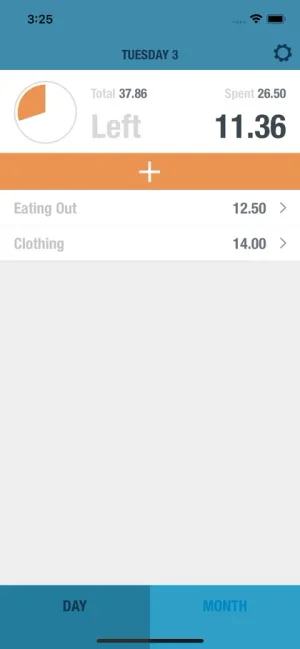
When you’re ready to track daily spending simply, BUDGT shows you one number: what’s safe to spend today. That quick check creates a pause between urge and purchase—exactly where change happens.
Frequently Asked Questions
What is emotional spending?
Emotional spending is purchasing driven by feelings rather than actual needs. The transaction serves an emotional purpose—comfort, distraction, reward, control—regardless of whether you need or even want the item. The purchase addresses the feeling temporarily, not the underlying need.
Is all emotional spending bad?
No. Buying a gift because you love someone is emotional and healthy. Treating yourself occasionally as genuine celebration is fine. The problem is when spending becomes your primary or automatic way to manage emotions—when you can't feel stressed, bored, or sad without shopping.
Why does shopping make me feel better (temporarily)?
Shopping triggers dopamine release—the same "reward" neurotransmitter involved in all pleasurable activities. The anticipation and hunt for items, the decision-making, and the purchase itself all provide neurological rewards. This creates a genuine (if temporary) mood boost, which reinforces the behavior.
How long does the good feeling from emotional spending last?
For most people, the satisfaction fades quickly—often within hours or days. Studies show that experiential purchases provide longer-lasting happiness than material purchases, and that "retail therapy" benefits are extremely short-lived. The original emotion typically remains after the shopping high fades.
What's the difference between retail therapy and shopping addiction?
Retail therapy is occasional shopping to improve mood, usually not causing significant financial problems. Shopping addiction (compulsive buying disorder) involves frequent, uncontrollable purchasing that creates serious debt, emotional distress, or relationship problems despite wanting to stop. The difference is frequency, control, and consequences.
How do I stop buying things when I'm stressed?
Build alternatives that address stress directly: physical movement, social connection, creative expression, or simple relaxation techniques. Create environmental barriers (delete shopping apps, unsubscribe from emails). Practice the 24-hour pause before non-essential purchases. Over time, new stress-response patterns replace the shopping reflex.
What should I do instead of shopping when I'm bored?
Have a ready list of engaging alternatives: read, exercise, call a friend, work on a project, clean or organize something, go outside, create something. The key is having options that are as easy to access as shopping. Boredom shopping thrives when there's no alternative readily available.
Can I stop emotional spending on my own, or do I need professional help?
Many people successfully change emotional spending patterns through self-help approaches: awareness building, environmental changes, alternative coping strategies, and consistent practice. Consider professional support if patterns persist despite genuine effort, if spending has created serious debt or relationship problems, or if underlying mental health issues may be involved.
How long does it take to break emotional spending habits?
Most people see meaningful progress within 2-3 months of consistent effort. The first few weeks are hardest as you resist established patterns. By week 4-6, alternative coping strategies begin feeling more natural. Complete change may take 6-12 months, and some situations may always require extra attention.
What if I slip and emotionally spend anyway?
Don't spiral into shame—that often leads to more emotional spending. Return items if possible. Get curious about what triggered the slip without judgment. Learn what intervention failed and adjust your strategy. Continue forward. One slip doesn't erase progress; it provides data for doing better.
Related Articles

Ready to take control of your budget?
Download BUDGT and start tracking your daily spending today.