The Side Hustle Budget Trap: When Extra Income Hurts Your Finances

You started a side hustle to get ahead financially. You’re putting in extra hours, working weekends, maybe driving for a rideshare or selling things online. But somehow, your bank account looks the same — or worse.
You’re not alone. This is the side hustle budget trap, and it catches more people than you’d think.
The Side Hustle Paradox
Here’s the uncomfortable truth: many people who start side hustles end up in the same or worse financial position, despite earning more money.
| Scenario | Extra Income | Net Financial Impact |
|---|---|---|
| Side hustle + lifestyle inflation | +$500/month | Break even or worse |
| Side hustle + “I deserve it” spending | +$500/month | Slightly negative |
| Side hustle + convenience costs | +$500/month | +$150/month actual |
| Side hustle + intentional budgeting | +$500/month | +$400/month actual |
That $500/month side hustle can become $400 in real progress — or $0 in lifestyle inflation. The difference is how you treat the money.
Why Side Hustle Money Disappears
1. No Budget Destination
When your paycheck hits, you probably know where it goes: rent, bills, savings (hopefully), then spending money. But what about that $300 from your freelance gig?
Without a predetermined destination, extra income becomes “fun money” by default. It gets absorbed into your spending without you noticing.
The fix: Before starting any side hustle, decide exactly where the money will go. Debt? Emergency fund? Vacation savings? Pick one.
2. The “I Earned It” Trap
You just worked an extra 10 hours this week. You’re tired. You’re stressed. You deserve that nice dinner, those new shoes, that impromptu Amazon order.
This mental accounting trick is incredibly powerful — and expensive. The side hustle becomes permission to spend, not a tool for progress.
The fix: Track your “reward” spending. If you’re spending $200 on treats for every $300 you earn, you’re not getting ahead.
3. Hidden Costs Add Up
Side hustles have costs that eat into your earnings:
| Cost Type | Example | Monthly Impact |
|---|---|---|
| Supplies & equipment | Laptop, tools, materials | $20-100 |
| Transportation | Gas, car maintenance, Uber | $50-200 |
| Platform fees | Etsy, Uber, freelance sites | 10-25% of income |
| Software/subscriptions | Scheduling, accounting | $10-50 |
| Taxes | Self-employment tax | 25-30% of income |
A $500/month side hustle can quickly become $250 in actual profit.
4. Convenience Spending Increases
When you’re working more hours, you have less time and energy for:
- Cooking (hello, takeout)
- Shopping around for deals
- DIY tasks you used to do yourself
- Planning and being intentional
Hidden Costs of a $500/Month Side Hustle
The Real Side Hustle Math
Before celebrating your extra income, calculate your true hourly rate:
| Factor | Example |
|---|---|
| Gross side hustle income | $500/month |
| Minus taxes (30%) | -$150 |
| Minus supplies/fees | -$75 |
| Minus convenience spending | -$50 |
| Net income | $225 |
| Hours worked | 20 hours |
| True hourly rate | $11.25/hour |
If your true hourly rate is less than you’d earn doing overtime at your main job, the side hustle might not be worth it.
How to Actually Keep Your Side Hustle Money
Step 1: Open a Separate Account
Side hustle income should never touch your regular checking account. Open a free online savings account specifically for this money.
Why it works:
- Creates friction before spending
- Makes taxes easier (30% stays in account)
- You can see actual progress
Step 2: Automate the Split
When side hustle money comes in, immediately split it:
| Allocation | Percentage | Purpose |
|---|---|---|
| Tax reserve | 30% | Stays in account for quarterly taxes |
| Goal fund | 50% | Debt payoff, savings, whatever you chose |
| Actual spending money | 20% | Yes, you can enjoy some of it |
Step 3: Calculate Before You Celebrate
Track your side hustle like a business:
- Log all income
- Log all expenses
- Calculate true hourly rate monthly
- Adjust or quit if numbers don’t work
Step 4: Batch Your “Treat Yourself” Moments
You do deserve to enjoy some of that extra money. But batch it:
- One nice dinner per month from side hustle money
- One guilt-free purchase after hitting a goal
- Not random spending because you’re tired
Signs Your Side Hustle is Working Against You
| Warning Sign | What It Means |
|---|---|
| You can’t show where the money went | It’s being absorbed into lifestyle |
| You’re more tired but not more wealthy | Time cost exceeds income benefit |
| Credit card balance is the same or higher | Convenience spending is eating profits |
| You feel like you “deserve” things more | Mental accounting trap |
| Taxes surprise you | Not setting aside 30% |
The Alternative: Strategic Side Hustles
Not all extra income is created equal. The best side hustles for your budget:
| Type | Why It Works |
|---|---|
| Defined project | Clear end date prevents lifestyle creep |
| Passive income | No time cost after setup |
| Skill-building | Increases main job earning potential |
| Clear goal link | ”This pays for X” keeps focus |
Avoid: Open-ended gig work that becomes a lifestyle without a specific purpose.
A Better Framework
Instead of “I’ll do a side hustle to make more money,” try:
“I’ll do a side hustle for 6 months to pay off my $3,000 credit card, then stop.”
This framework:
- Has a clear goal ($3,000)
- Has a timeline (6 months)
- Has an exit strategy (stop when done)
- Prevents lifestyle inflation (it’s temporary)
The Bottom Line
Side hustles can accelerate your financial progress — but only if you treat the money intentionally. Without a plan, extra income becomes extra spending, and you’re just trading time for lifestyle inflation.
Before your next side hustle dollar:
- Decide exactly where it will go
- Set up a separate account
- Reserve 30% for taxes
- Calculate your true hourly rate
- Set a specific goal and timeline
The goal isn’t to work more forever. It’s to work extra now so you can work less later.
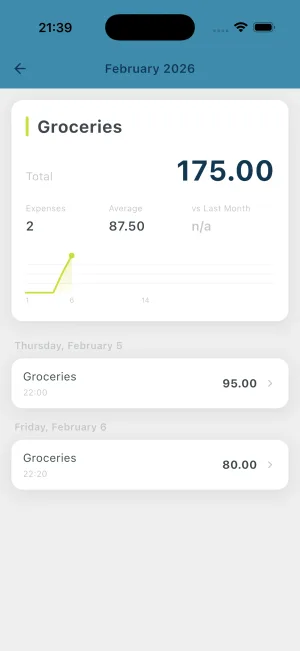
Running a side hustle? BUDGT helps you track where your extra income actually goes — so you keep more of what you earn.
Frequently Asked Questions
Why does my side hustle money disappear so fast?
Side hustle income often disappears because it's not treated as 'real' money. Without a budget destination, it gets absorbed into lifestyle inflation, convenience purchases (you're tired from extra work), or mental accounting tricks like 'I earned this, so I deserve to spend it.'
Should I budget side hustle income separately?
Yes. Keeping side hustle income in a separate account with a specific purpose (debt payoff, savings goal) prevents it from blending into daily spending. When extra income has no destination, it finds random expenses.
How much of my side hustle should I save for taxes?
Set aside 25-30% of side hustle income for taxes. Self-employment income is taxed at your regular rate plus 15.3% self-employment tax. Many people get hit with surprise tax bills because they spent 100% of their gig income.
Is a side hustle worth it after expenses and time?
Calculate your true hourly rate: (Income - expenses - taxes) / hours worked. Many side hustles pay less than minimum wage when you factor in driving, supplies, platform fees, and unpaid time. A $200 gig that takes 10 hours with $50 in costs = $15/hour before taxes.
How do I stop spending my extra income?
Automate it away before you see it. Set up automatic transfers to savings or debt payments the day your side income hits your account. If the money never sits in your checking account, you won't casually spend it.
Related Articles



Ready to take control of your budget?
Download BUDGT and start tracking your daily spending today.