The No-Buy Challenge 2026: A Realistic Guide to a Spending Freeze

If you’ve ever finished an online order and felt a little worse instead of better, a no-buy challenge might be exactly the reset you need. It’s one of the most popular money trends of 2026 — not because it’s about deprivation, but because it’s about getting your spending out of autopilot and back under your own control.
This isn’t a lecture. Shopping when you’re stressed, bored, or celebrating is completely human. The point of a no-buy isn’t to feel guilty about it — it’s to create enough of a pause that you can see the pattern, and decide what you actually want your money to do.
What Is a No-Buy Challenge?
A no-buy challenge is a set period where you commit to buying only essentials and pausing everything discretionary. The length is up to you: a no-buy month to reset, a no-buy season, or a full no-buy year for a deeper change.
The magic isn’t in the rules themselves — it’s in the pause. When “just buy it” stops being automatic, you start noticing why you were reaching for your card in the first place. That awareness is what changes your spending long after the challenge ends.
No-Buy vs Low-Buy vs No-Spend
These get mixed up constantly. Here’s the difference so you can pick the right one:
| Approach | What it means | Best for |
|---|---|---|
| No-buy | Only essentials; all non-essential spending paused for the period | A firm reset, breaking a strong habit |
| Low-buy | Stricter limits, but a few planned purchases allowed | Long-term sustainability |
| No-spend day/weekend | Zero spending at all for a short burst | A quick, low-commitment reset |
There’s no “best” one — the best is the one you’ll actually finish. Many people run a short no-buy to reset, then move to a low-buy to keep the habit going.
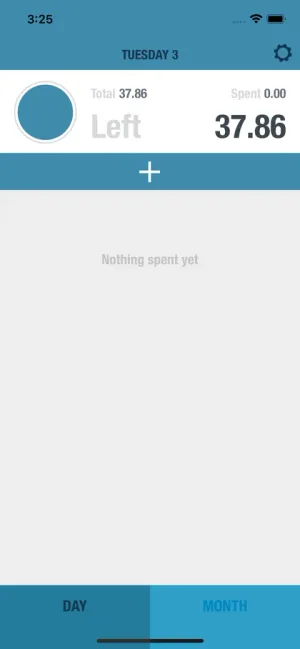
Step 1: Write Your Rules Before You Start
The single biggest reason no-buy challenges fail is vague rules. “I won’t buy stuff” collapses the first time you’re unsure. Decide your lists in advance, when you’re calm — not in the checkout line.
Pick your length
Start realistic. A no-buy month is plenty for a first attempt — you can always extend.
Write your 'allowed' list
Essentials only: groceries, rent and bills, medicine, hygiene, transport to work.
Write your 'not allowed' list
Name your specific weak spots: clothes, gadgets, home decor, books, takeout, that one app.
Set your exceptions
Plan for real life — a birthday gift, a broken essential you must replace. Pre-deciding prevents guilt spirals.
Decide where the savings go
Emergency fund, debt, or a goal. Automate the transfer so the money moves without you.
Example: A Starter No-Buy Month
| Allowed | Not allowed |
|---|---|
| Groceries & household basics | Clothes, shoes, accessories |
| Rent, utilities, insurance | Gadgets & tech upgrades |
| Medicine & healthcare | Home decor & “little treats” |
| Gas / transit to work | Takeout & delivery (cook instead) |
| Pre-planned birthday gift | Anything from a “sale” email |
Step 2: Handle the Real Challenge — Triggers
A no-buy isn’t really about products. It’s about the feelings that send you shopping. Most impulse spending is emotional regulation — a hit of relief from stress, boredom, or a rough day. Remove the product and the feeling is still there, so plan for it.
| Trigger | The shopping urge | A free swap |
|---|---|---|
| Stress | ”I deserve a treat” | A walk, a call to a friend, 10 minutes outside |
| Boredom | Aimless scrolling → cart | A hobby, a library book, a playlist |
| Celebration | ”Let’s mark the moment” | A homemade meal, a free experience |
| Sadness | Comfort buying | Rest, journaling, something that actually comforts |
Then make the habit harder to act on: unsubscribe from marketing emails, delete shopping apps, and remove saved card details. Adding thirty seconds of friction stops more impulse buys than willpower ever will.
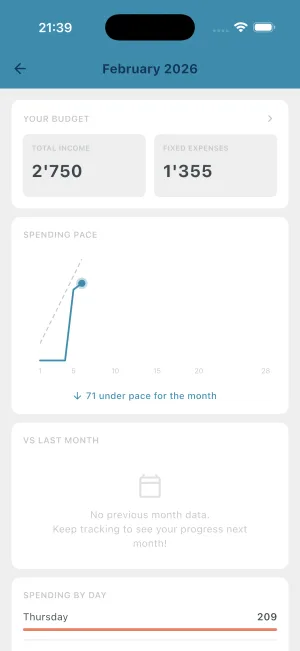
Step 3: Track It Where You’ll See It
A challenge you can’t see is a challenge you’ll forget. Watching a streak of on-track days — and a savings balance that’s actually growing — is far more motivating than a vague intention. Log your spending daily, celebrate the no-spend days, and when you do slip, note the trigger and move on. A slip is data, not failure. One impulse buy doesn’t undo the month.
What to Do With the Money You Save
This is the part that makes it stick. If the saved money just sits in checking, it quietly gets re-absorbed. Give it a job the moment the challenge starts:
- No emergency fund yet? Send it there first — even $500 changes how a bad week feels.
- Carrying high-interest debt? Throw it at the highest rate.
- Both handled? Name a goal you actually care about and watch it get closer.
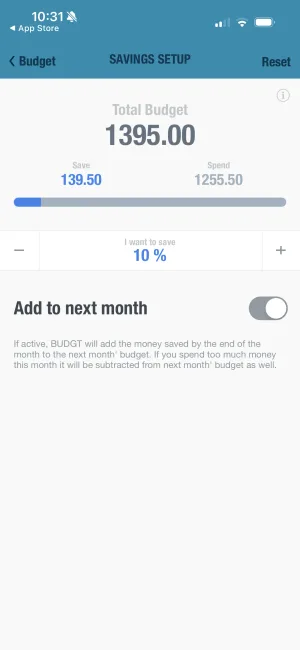
Automate the transfer on payday so it happens without a decision. Seeing the balance climb is the reward that replaces the shopping hit.
Choosing Your No-Buy Length
The right length is the one you’ll actually finish, and for most people that means starting shorter than their ambition. A no-buy month is the ideal first attempt: long enough to break the autopilot and see real savings, short enough that the finish line stays in view. You can always extend it — and many people do, once they feel how good the reset is.
A no-buy season (say, a full three months) suits someone who wants a deeper change or is saving hard toward a specific goal. A no-buy year is the headline-grabbing version, but it’s genuinely demanding and best attempted after you’ve succeeded with shorter stretches — going straight to a year is how a lot of people burn out in February. Whatever length you pick, write the end date down. A challenge with a clear finish is one you can push through; an open-ended “I should really stop spending” is one you’ll quietly abandon.
From No-Buy to Low-Buy: Making It Last
A no-buy is a reset, not a life sentence — and the real win isn’t the challenge itself, it’s what you keep afterward. The most sustainable path is usually no-buy first, low-buy after. Use the strict period to break the habit and see your patterns clearly, then transition into a low-buy that builds in a little room to breathe: a modest monthly “fun” amount, or one planned purchase a season in the categories that matter to you.
This is what turns a temporary challenge into a permanent shift. The no-buy shows you how much of your spending was autopilot; the low-buy lets you keep the awareness while living a normal life. When the reset ends, take a moment to decide which rules were genuinely helpful and worth keeping, and which were just white-knuckling. Carry the helpful ones forward. That’s how a one-month experiment quietly becomes the way you spend from now on.
Common Pitfalls (and How to Dodge Them)
A few predictable traps derail no-buy challenges, and all of them are avoidable once you know to watch for them. The most common is making the rules too strict — a heroic, allow-nothing month feels impressive for about a week before it collapses; a realistic set of rules you can actually keep beats a perfect one you abandon.
Close behind is the “I blew it, might as well quit” trap. One impulse buy is a single data point, not a failed month — note what triggered it and keep going the same day. Perfectionism ends more challenges than spending does. Watch out too for stockpiling before you start (buying everything you “might need” first is just spending early — begin now), and for saving into thin air: if the money you’re not spending stays in checking, it quietly gets reabsorbed, so auto-transfer it to a named goal. Finally, don’t go it alone — telling a friend or joining an online no-buy community adds the accountability that willpower alone rarely provides.
The Bottom Line
A no-buy challenge works because it turns spending from a reflex back into a choice. You don’t need a perfect year — even a single no-buy month will show you how much of your spending was habit, and hand you the savings to prove it. Start small, write your rules today, give the savings a job, and treat yourself with patience instead of judgment.
You’re not bad with money. You’re just running a pattern — and patterns can be changed.
A no-buy challenge is easier when you can see your progress. BUDGT shows your daily limit and your growing savings — so a spending freeze feels like winning, not going without.
Frequently Asked Questions
What is a no-buy challenge?
A no-buy challenge is a set period — a month, a season, or a whole year — where you commit to buying only true essentials and pausing all discretionary purchases. The goal isn't deprivation; it's breaking the automatic habit of shopping so you can see your spending clearly and reset your relationship with money.
What are the rules of a no-buy year?
You set them. Most people allow essentials (groceries, rent, bills, medicine, hygiene) and pause everything else (clothes, gadgets, home decor, takeout, impulse buys). The key is writing your own 'allowed' and 'not allowed' lists before you start, plus a short list of pre-planned exceptions so a single slip doesn't end the whole thing.
What's the difference between no-buy and low-buy?
A no-buy freezes all non-essential spending. A low-buy sets stricter limits but allows a few planned purchases — for example, one new clothing item per season, or a set monthly 'fun' amount. Low-buy is often more sustainable long-term; many people start with a short no-buy to reset, then shift to low-buy.
How do I stick to a no-buy challenge?
Make the rules realistic, remove temptation (unsubscribe from marketing emails, delete shopping apps), and track your progress somewhere you'll see it. Replace the shopping habit with a free alternative, and treat a slip as data, not failure — note the trigger and keep going. Watching your savings grow is the strongest motivator.
Is a no-buy challenge worth it?
For most people, yes. Beyond the money saved, a no-buy reveals how much spending is driven by boredom, stress, or habit rather than need. Even a one-month challenge often changes how you shop for good — and the savings can jump-start an emergency fund or pay down debt.
What should I do with the money I save?
Give it a job before you're tempted to spend it. Send it straight to an emergency fund, a high-interest debt, or a specific goal. Automating the transfer on payday means the savings happen without willpower — and seeing the balance grow reinforces the habit.
Related Articles



Ready to take control of your budget?
Download BUDGT and start tracking your daily spending today.