Revenge Spending: Why We Do It and How to Break the Cycle

You held the line for weeks. You skipped the dinners out, said no to the sale, packed lunches, watched every dollar — and then, in a single afternoon, you undid it all with a spree that felt amazing right up until it didn’t. If that arc is familiar, you’ve met revenge spending, one of the most common and least talked-about ways budgets quietly fall apart.
Here’s the twist most money advice misses: revenge spending usually isn’t a discipline problem. It’s often a sign your budget was too strict. Understanding that changes everything about how you fix it — because the answer turns out to be less restriction, not more.
What Is Revenge Spending?
Revenge spending is splurging as a reaction — a way to reclaim freedom, control, or reward after a stretch of restriction, stress, or feeling deprived. The name captures the emotional logic perfectly: you’ve been holding back for so long that part of you wants to get revenge on all that self-denial, and it comes out as an impulsive spree.
It shows up in a few flavors. Sometimes it follows a punishing budget — weeks of “no” that finally snap into a big “yes.” Sometimes it follows a hard period — a stressful job stretch, a rough breakup, a long winter — where spending becomes a way to feel alive and in control again. Either way, the purchase promises to take something back for you. And for about an hour, it does.
Why We Do It
Two forces drive revenge spending, and they often work together.
The first is deprivation. Humans don’t tolerate feeling deprived for long — it builds pressure, and pressure eventually releases. A budget with zero room for enjoyment works exactly like a crash diet: impressive for a couple of weeks, then a rebound that erases the progress. The stricter the restriction, the bigger the eventual snap.
The second is lost control. When life feels stressful or out of your hands, spending is a fast, reliable way to feel powerful again — you decide, you buy, you get. It’s a small act of agency in a moment that otherwise feels powerless. That’s why revenge spending spikes after hard seasons: it’s not really about the stuff, it’s about reclaiming a sense of I’m in charge of something.
None of this makes you irresponsible. It makes you a normal person with normal emotional needs that a too-rigid budget didn’t leave room for.
Revenge, Doom, and Emotional Spending
These terms get tangled, so here’s how they relate:
| Type | Driven by | The internal story |
|---|---|---|
| Revenge spending | Deprivation, frustration | ”I’ve held back so long — I deserve this” |
| Doom spending | Anxiety about the future | ”Things feel hopeless, why bother saving” |
| Emotional spending | Any strong feeling | ”This will make me feel better right now” |
Revenge spending is really a specific flavor of emotional spending — the one that looks backward with resentment at all the restraint, where doom spending looks forward with fear. The good news is that they respond to the same core tools: awareness, a pause, and a budget humane enough that you’re not white-knuckling your way toward a blowout.
Signs You’re Revenge Spending
| Sign | What it looks like |
|---|---|
| Splurging right after being “good” | A strict week ends in an impulsive spree |
| ”I deserve this” as the main reason | The justification is about fairness, not the item |
| Spending after stress or restriction | Hard stretches reliably end in purchases |
| Brief high, then guilt | The thrill fades fast and regret moves in |
| Repeating the cycle | Restrict, snap, feel bad, restrict again |
That last one — the cycle — is the real signature. One splurge is just a splurge. But a repeating restrict-then-rebound pattern is telling you the restriction itself is the problem, not your willpower.
How to Break the Cycle
The fix for revenge spending is counterintuitive: loosen up in a planned way, so the pressure never builds.
Build in guilt-free fun
Give yourself a set, planned amount for enjoyment. Spending it is following the budget, not breaking it.
Name the feeling first
Before a splurge, ask what you're really reacting to — deprivation, stress, powerlessness? Naming it takes the charge out.
Add a 24-hour pause on big buys
Revenge purchases live in the heat of the moment. If you still want it tomorrow, calmly, it's probably fine.
Right-size your budget
If you keep rebounding, your budget is too tight. A realistic plan you can live with beats a strict one you blow up.
Reclaim control the cheap way
Find a free way to feel agency — a decision, a project, movement — so spending isn't your only outlet.
Notice that most of these aren’t about resisting harder. They’re about removing the deprivation that creates the urge in the first place.
The Antidote: Plan Your Joy
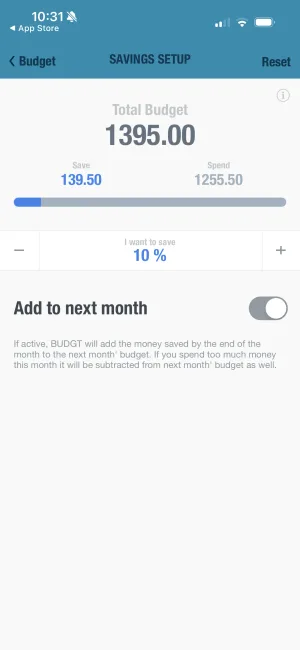
The single most effective defense against revenge spending is almost too simple: budget for fun on purpose. A sustainable budget isn’t one with no enjoyment — it’s one where enjoyment has its own line, so spending on it is part of the plan rather than a rebellion against it.
When you know you’ve got, say, a set amount each month that’s yours to spend on whatever brings you joy — no justification required, no guilt attached — the pressure that fuels revenge spending simply never accumulates. You’re not depriving yourself, so there’s nothing to take revenge for. Paradoxically, giving yourself permission to spend a little is what stops you from spending a lot.
This is why people who budget well often spend more on fun than people who don’t — they just do it deliberately, inside a number, instead of in guilty, budget-wrecking bursts. The goal was never to eliminate joy from your money. It was to make sure joy has a seat at the table, so it stops crashing the party.
When the Cycle Runs Deep
For some people, revenge spending isn’t an occasional slip — it’s a groove worn in over years, and a single realistic budget doesn’t fully smooth it out. If that’s you, a few things help.
Start by looking for the pattern behind the pattern. Track not just what you spent, but what preceded it: a stressful week, a fight, a stretch of feeling unseen or overworked, a budget you’d been white-knuckling. Over a month or two, the triggers usually become obvious — and once you can see the setup coming, you can intervene before the splurge instead of after. A trigger you can name is one you can plan for.
Then attack the deprivation source directly. If your revenge spending reliably follows periods of restriction, the restriction is the real problem, and no amount of post-splurge guilt will fix it — only a genuinely livable budget will. If it follows emotional stress rather than financial restriction, the work is partly outside money entirely: better outlets for the stress, more non-spending sources of comfort and control, and sometimes support from a therapist if the pattern is tied to deeper anxiety or a sense of powerlessness. There’s no shame in that; emotional spending is emotional first and financial second.
Finally, measure progress by the trend, not by perfection. A cycle built over years unwinds gradually. Success looks like smaller splurges, caught sooner, with faster recovery and less guilt each time — not a sudden, permanent stop. Each loop you interrupt a little earlier is a real win, and they compound.
Be Kind to Yourself
One more thing, because it matters: if you recognize the restrict-then-splurge cycle in yourself, go easy. Revenge spending isn’t a character flaw — it’s a predictable human response to feeling deprived or powerless, and beating yourself up over it only adds the guilt that keeps the cycle spinning. Treat a slip as information, not failure: it’s usually telling you your budget needs more breathing room, not more discipline. Adjust, forgive yourself, and keep going. Progress here looks like gentler swings over time, not overnight perfection.
The Bottom Line
Revenge spending is what happens when a budget leaves no room to be human. The fix isn’t more restriction — it’s a plan realistic enough that you never feel deprived enough to rebel. Build in guilt-free fun, pause before big buys, name the feeling underneath, and give yourself a cheaper way to feel in control. Do that, and the restrict-then-splurge cycle loses its fuel.
You don’t need a stricter budget. You need a kinder one — and it’ll hold far better than the strict one ever did.
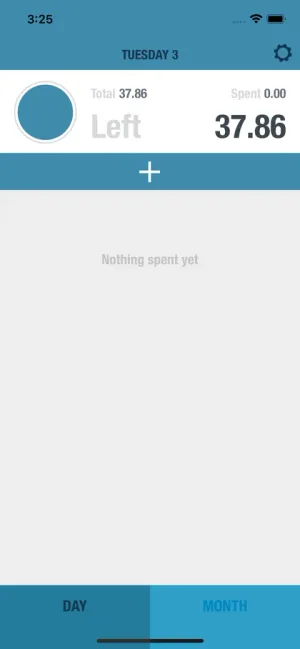
Revenge spending feeds on deprivation. BUDGT gives you one daily number with room for joy built in — so you spend on what matters without the blowout.
Frequently Asked Questions
What is revenge spending?
Revenge spending is splurging as a reaction — a way to reclaim a sense of freedom or reward yourself after a period of restriction, stress, or feeling deprived. The classic version follows a too-strict budget or a hard stretch: you've held back for so long that you 'get revenge' with an impulsive spree. It feels like taking back control, but usually undoes weeks of progress.
Why do people revenge spend?
It's a reaction to deprivation and lost control. When a budget feels punishing, or life has been stressful and joyless, spending becomes a way to reassert freedom and reward yourself. It's very human — but the relief is brief, and it often triggers guilt, which can restart the restrict-then-splurge cycle all over again.
What's the difference between revenge spending and doom spending?
They're cousins. Doom spending is driven by anxiety about the future ('why bother saving'). Revenge spending is driven by frustration and deprivation ('I deserve this after holding back so long'). Doom looks forward with fear; revenge looks back with resentment. Both are emotional spending, and the tools to manage them overlap.
How do I stop revenge spending?
The counterintuitive fix is to loosen up, not clamp down. Build a guilt-free 'fun' amount into your budget so you're never fully deprived, add a short pause before big purchases, and name the feeling driving the urge. Because revenge spending is usually a reaction to over-restriction, a realistic budget you can live with prevents far more of it than a strict one.
Does a strict budget cause revenge spending?
Often, yes. A budget that allows no fun is like a crash diet — it works briefly, then triggers a rebound. Feeling deprived builds pressure that eventually releases as an impulsive splurge. That's why sustainable budgets include planned, guilt-free spending: a little built-in freedom prevents the big blowout.
Is revenge spending the same as self-care?
They can look alike, but the feeling is different. Genuine self-care leaves you better afterward; revenge spending usually leaves guilt and a lighter account. A useful test: would you still want it tomorrow, calmly? Real treats survive a pause. Revenge purchases are about the emotional hit in the moment, not the thing itself.
Related Articles



Ready to take control of your budget?
Download BUDGT and start tracking your daily spending today.