Doom Spending: Why You Do It and How to Stop in 2026

You’ve probably felt it: the news is grim, the future feels shaky, and somewhere between the headlines and the ads, you find yourself checking out a full cart. That’s doom spending — and if it sounds familiar, you’re far from alone. It became one of the most-searched money habits of 2026 precisely because so many people recognize it in themselves.
This isn’t a scolding. Spending to soothe anxiety is a deeply human response, not a character flaw. The point here is to understand what’s really happening so you can meet the feeling with something other than your credit card.
What Is Doom Spending?
Doom spending is impulse buying driven by anxiety or pessimism about the future — the economy, job security, the state of the world, or your own finances. The underlying logic goes something like: “Everything feels out of my control, so I might as well enjoy something now.”
It offers a real but brief hit of comfort and control. The problem is what comes after: the purchase rarely fixes the worry, and the dent in your budget often adds a fresh layer of stress on top of the original one.
Why We Do It
Understanding the mechanism takes the shame out of it. Doom spending usually runs on three things working together:
| Driver | What’s happening |
|---|---|
| Emotional relief | Buying gives a quick dopamine hit that briefly quiets anxiety |
| A sense of control | When big things feel unmanageable, a small purchase feels like doing something |
| Constant triggers | Doom-scrolling and targeted ads put “treat yourself” one tap away, all day |
None of that makes you bad with money. It makes you a person with a nervous system and a smartphone. Awareness is the lever that changes it.
Signs You Might Be Doom Spending
| Sign | What it looks like |
|---|---|
| Buying after bad news | A rough headline or a stressful day ends in a cart |
| ”Why bother” logic | Feeling like saving is pointless, so you spend instead |
| Little relief | The buzz fades fast and the worry returns |
| Late-night scroll-buys | Purchases made while doom-scrolling in bed |
| Regret, not joy | You feel worse, not better, once it arrives |
If a few of these ring true, that’s not a verdict — it’s useful information. Here’s what to do with it.
How to Break the Cycle
Name it in the moment
Literally say 'this is doom spending.' Naming the pattern interrupts the autopilot.
Add a 24-hour pause
Put wanted items in a wishlist, not a cart. Most urges fade overnight — if you still want it tomorrow, reconsider then.
Add friction
Delete saved cards, sign out of shopping apps, and unfollow the accounts that trigger you.
Swap the soother
Have a free go-to for stress: a walk, a call, music, moving your body. Give the feeling somewhere else to land.
Give your money a job
Send what you would have spent to an emergency fund. Growing security beats buying it.
Match the Trigger to a Free Swap
Doom spending is really about managing a feeling. Plan the swap before the urge hits:
| When you feel… | Instead of buying, try… |
|---|---|
| Anxious about the future | 10 minutes off your phone, outside |
| Powerless | One small real action — tidy a drawer, prep a meal |
| Numb or bored | A hobby, a library book, a friend |
| Like “nothing matters” | Move $20 to savings and watch the number grow |
Turn Fear Into a Buffer
Here’s the quiet irony of doom spending: the thing you’re anxious about — an uncertain future — is exactly what savings are for. Every dollar you keep is a small vote of confidence that you can handle what’s coming.
So redirect it. The moment you feel the urge, move even a token amount to an emergency fund instead. Automate a transfer on payday so it happens without a decision. A growing balance does more for future-anxiety than any purchase, because it’s real protection rather than a distraction from the fear.
The News-Cycle Connection
There’s a reason doom spending spiked alongside 24/7 news and algorithmic feeds. The modern information environment is engineered to keep you in a mild state of alarm — headlines are written to trigger, feeds are tuned to keep you scrolling, and the emotional residue is a constant, low-grade sense that things are bad and getting worse. That feeling doesn’t stay in your head; it looks for an exit. For a lot of people, the nearest exit is a purchase.
It’s not a coincidence that the same devices delivering the doom also hold your saved cards and one-tap checkout. You can go from a distressing headline to a completed order in under a minute, with no friction to slow you down. Recognizing this pipeline — bad news in, quick buy out — is half the battle. Once you see it as a designed loop rather than a personal weakness, you can start putting friction back into it: fewer news notifications, no saved payment details, and a real pause between the feeling and the tap.
The 24-Hour Rule (and Why It Works)
The single most effective habit against doom spending is also the simplest: put 24 hours between wanting something and buying it. When an urge hits, add the item to a wishlist or a note instead of a cart, and revisit it tomorrow.
The reason it works is biological. An impulse is a spike — a surge of emotion looking for immediate relief — and spikes fade. By tomorrow, the anxiety that fueled the urge has usually passed, and you’re evaluating the purchase with your rational brain instead of your alarmed one. A striking share of items that felt urgent one night look completely unnecessary the next morning. You’re not forbidding yourself anything; you’re just letting the wave pass before you decide. Anything genuinely worth buying will still be worth buying in a day.
To make it stick, pair the pause with a tiny ritual: when you add something to the wishlist, close the app and do one other thing — a glass of water, a short walk, a message to a friend. You’re teaching your brain that the urge doesn’t require an immediate purchase to be resolved.
Turn the Fear Into a Buffer
Here’s the quiet irony of doom spending: the thing you’re anxious about — an uncertain future — is exactly what savings exist to protect against. Every dollar you keep is a small, concrete answer to the fear driving the urge.
So flip the impulse on its head. The next time you feel the pull to doom spend, move even a token amount — $10, $20 — into an emergency fund instead, and let the act of saving be the response to the anxiety. It scratches the same itch (you did something, you took control) while building real protection instead of adding to the pile of stuff. Automate a small transfer on payday so the buffer grows even on the days willpower is thin. Over time, watching that balance climb does more for future-anxiety than any purchase could, because it’s genuine security rather than a distraction from insecurity.
When It Needs More Than Willpower
Sometimes doom spending is a symptom of something bigger — persistent anxiety, depression, or a genuine compulsion — and no amount of wishlists will fully fix it. That’s not a failure, and it’s worth saying plainly: if spending feels truly out of your control, if it’s damaging your finances or relationships, or if the underlying anxiety is affecting your daily life, it’s completely reasonable to get support. A therapist can help with the emotional drivers, and a nonprofit credit counselor can help with the financial fallout. Reaching out isn’t an admission of weakness — it’s the same kind of practical, take-control move that a buffer or a 24-hour rule is, just aimed at a deeper layer.
Be Kind to Yourself in the Process
One last thing, because it matters more than any tactic: go easy on yourself. Doom spending is a coping mechanism, and coping mechanisms show up because something is genuinely hard, not because you’re weak or foolish. Piling shame on top of a stress purchase just adds more of the exact feeling that triggered it — a spiral that tends to end in more spending, not less.
So when you slip, skip the self-criticism and get curious instead. What was the feeling underneath it? What were you actually trying to soothe? That question does more to change the pattern than any amount of guilt. Progress here looks like slightly fewer impulse buys, caught slightly sooner, month over month — not overnight perfection. Treat yourself the way you’d treat a friend working on the same thing: with patience, a little humor, and the assumption that you’re doing your best in a world engineered to make this hard.
The Bottom Line
Doom spending is a very understandable response to an uncertain world — a quick grab for comfort and control when both feel in short supply. But the comfort is borrowed, and the bill deepens the worry. Name it when it happens, slow it down, swap in a free soother, and point the money at the security you’re actually craving.
You can’t control the headlines. You can control the next small choice — and that’s where your power actually is.
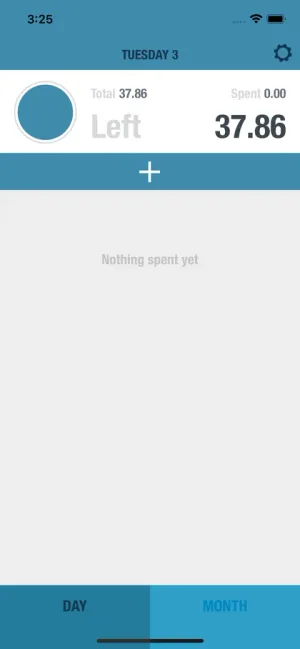
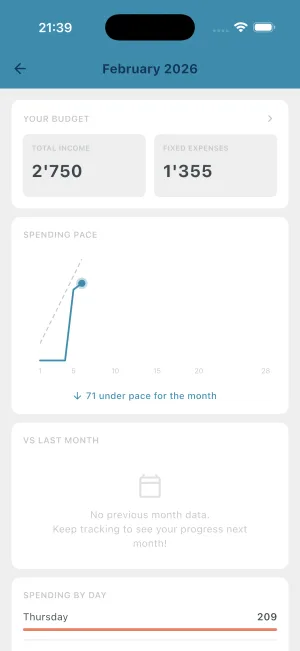
Doom spending thrives on autopilot. BUDGT’s one daily number brings you back to the moment of choice — and shows your savings growing into the security you’re really after.
Frequently Asked Questions
What is doom spending?
Doom spending is impulse buying driven by anxiety or pessimism about the future — the economy, the news, or your own circumstances. The logic is roughly 'things feel out of control, so I might as well spend now.' It's a short burst of comfort that usually leaves your finances (and your stress) worse afterward.
Why do people doom spend?
It's an emotional coping mechanism. When the future feels uncertain, spending offers a quick, controllable hit of pleasure and a sense of doing something. Constant exposure to bad news and targeted ads makes it worse. It's very human — the goal isn't guilt, it's noticing the pattern so you can respond differently.
How do I stop doom spending?
Name it when it's happening, add friction (delete saved cards, unfollow shopping triggers), and put a 24-hour pause between wanting and buying. Replace the habit with a free way to soothe stress, and give your money a visible job — an emergency fund grows your sense of security far more than a purchase does.
What's the difference between doom spending and revenge spending?
They overlap. Doom spending is fueled by fear or pessimism about the future ('why bother saving'). Revenge spending is fueled by frustration or a feeling of missing out, often after a period of restriction. Both are emotional spending — the tools to manage them are the same.
Is doom spending a real problem?
For a lot of people, yes. Occasional stress purchases are normal, but a steady pattern of anxiety-driven spending can quietly wreck a budget and deepen the very worry that triggers it. The good news: because it's a habit tied to a feeling, it responds well to awareness and small changes.
Related Articles
Ready to take control of your budget?
Download BUDGT and start tracking your daily spending today.