Simple Budget Tracking Without Spreadsheets or Stress

Simple Budget Tracking Without Spreadsheets or Stress
You’ve tried the spreadsheets. The complex budgeting apps with 47 categories. The elaborate systems that work great for two weeks then collect dust.
Here’s a secret financial experts rarely admit: simple tracking beats complex systems that you abandon. The “best” method is the one you actually use—and for most people, that means something far simpler than what gets recommended.
This guide is for everyone who’s given up on traditional budgeting and needs an approach that actually fits real life.
Why Complex Systems Fail
Before building something simpler, let’s understand why elaborate tracking systems usually fail:
Too much friction: If logging a purchase takes more than 10 seconds, you won’t do it consistently.
Too many decisions: Every transaction requiring category selection creates decision fatigue.
Too much maintenance: Monthly reconciliation, category adjustments, spreadsheet updates—it becomes a chore.
Too much guilt: Detailed tracking can feel like surveillance, triggering avoidance.
Too little payoff: All that work for information you rarely use meaningfully.
The goal is awareness that leads to better decisions—not perfect record-keeping.
The One-Number Method
The simplest possible tracking: focus on one number.
How It Works
- Calculate your daily spending allowance (monthly budget ÷ days in month)
- Each day, track spending against that number
- Green/under = good. Red/over = slow down.
That’s it. No categories. No complex calculations. Just one number telling you where you stand.
Example
Monthly discretionary budget: $1,500 Days in January: 31 Daily allowance: ~$48
Today you’ve spent $35 → You’re good Today you’ve spent $65 → You’re over—tomorrow, be more careful
Why It Works
- Zero learning curve
- Immediate feedback
- No category decisions
- Works with any income level
- Takes seconds per transaction
Limitations
You won’t know where money goes in detail—but you’ll know how much is going. For many people, that awareness alone improves spending.
The Weekly Check Method
If daily feels like too much, zoom out to weekly.
How It Works
- Set aside 15 minutes on the same day each week (Sunday evening works well)
- Open your bank/credit card app
- Review the week’s transactions
- Note total spending and any surprises
- Set an intention for the coming week
What to Look For
- Total spent vs. what felt reasonable
- Transactions you forgot about
- Categories that seem high
- Patterns (more spending on certain days?)
Why It Works
- Minimal daily effort
- Still provides awareness
- Batch processing is efficient
- Catches problems before they compound
Make It Automatic
Set a recurring calendar reminder. Make it non-negotiable—15 minutes of awareness prevents hours of financial stress.
The Cash Envelope Method (Simplified)
Old school, but effective for specific problem areas.
How It Works
- Identify 2-3 spending categories that cause problems (dining out, entertainment, shopping)
- At the start of each week/month, withdraw cash for those categories
- Put cash in labeled envelopes
- When envelope is empty, spending stops
- Everything else stays on cards (easier to track passively)
Example
Problem categories: Dining out ($200/month), Shopping ($150/month) Everything else: Normal cards
This creates hard limits where you need them without managing every dollar.
Why It Works
- Physical limitation is harder to override than digital
- No tracking required—when it’s gone, it’s gone
- Forces conscious choice
- Visual feedback (seeing cash disappear)
Modern Adaptation
Don’t want to carry cash? Some apps let you create virtual “envelopes” that track specific category limits. Same concept, digital convenience.
The Screenshot Method
Lowest-tech tracking that still works.
How It Works
- Screenshot your bank balance each morning
- Screenshot it again each evening
- The difference is what you spent
- Save screenshots in a dated folder (or just delete daily if you don’t need records)
Why It Works
- Takes 5 seconds
- No app to open
- Visual progress
- Impossible to forget if you make it part of morning/evening routine
Best For
People who’ve tried everything and need something with zero learning curve. Sometimes the simplest approach sticks when nothing else has.
The Notes App Method
Use what’s already on your phone.
How It Works
- Create a note titled with the month (“January 2026”)
- Each purchase, add a line: “Coffee $5.50”
- At week’s end, add up the numbers
- Start fresh next month
Sample Format
January 2026

1/6
Coffee $5.50
Groceries $67
Gas $42

1/7
Lunch $14
Target $23

Weekly Total: $151.50
Why It Works
- No new apps
- Works offline
- Quick to access
- Natural language (no forms to fill)
- Flexible format
Pro Tips
- Use voice-to-text for faster entry
- Keep a running total if you’re competitive with yourself
- Review weekly, not daily (daily totals can stress you out)
The “Pay Yourself First” Tracking
Track savings instead of spending.
How It Works
- Set up automatic savings transfer on payday
- Put remaining money in checking
- Spend whatever’s left without tracking individual purchases
- Track only monthly savings progress
Why It Works
This flips the script: instead of restricting spending, you guarantee savings first. What’s left is “safe to spend” without detailed tracking.
Requirements
- Consistent income
- Savings goal that’s realistic
- Discipline to live on what remains (no dipping into savings)
Best For
People who hate tracking but want to save. You’re not monitoring spending—you’re ensuring outcomes.
Finding Your Method
| If you… | Try this method |
|---|---|
| Want daily feedback | One-Number Method |
| Prefer batching | Weekly Check Method |
| Overspend in specific areas | Cash Envelope Method |
| Need lowest possible friction | Screenshot Method |
| Already use your phone constantly | Notes App Method |
| Have consistent income and hate tracking | Pay Yourself First |
Making Any Simple Method Work
Regardless of which approach you choose:
Lower the bar
Imperfect tracking beats perfect tracking you don’t do. Round numbers. Estimate when needed. Close enough is good enough.
Build a trigger
Attach tracking to something you already do:
- Morning coffee → Check your number
- Lunch break → Log purchases
- Before bed → Update notes
Celebrate consistency
A streak of tracking—even imprecise tracking—is worth acknowledging. One week of daily checks is an accomplishment.
Adjust as needed
If your method isn’t working after 2-3 weeks, try another. There’s no prize for sticking with something that doesn’t fit your life.
What Simple Tracking Won’t Do
Let’s be honest about limitations:
Won’t catch every dollar: Simple methods trade precision for sustainability. You might be off by $50/month. That’s okay if you’re directionally correct.
Won’t show detailed breakdowns: If you need to know exactly how much you spent on coffee vs. tea, you need more detailed tracking.
Won’t automatically optimize: Simple tracking provides awareness. You still need to act on that awareness.
Won’t work for complex finances: Multiple income streams, business expenses, variable income—these may need more sophisticated tools.
When to Graduate to More Detail
Consider more detailed tracking when:
- You’ve stabilized basic spending habits
- You want to optimize specific categories
- Your finances become more complex
- You have specific goals requiring precise tracking
But don’t graduate just because you “should.” If simple works, keep it simple.
The Best System Is the One You Use
Financial advisors love complex systems because they look impressive. But impressive doesn’t mean effective.
If checking one number daily keeps you aware of your spending, that’s better than a complex spreadsheet you abandoned last February.
Start simple. Stay simple if it works. Complexity can always come later—but awareness matters most.
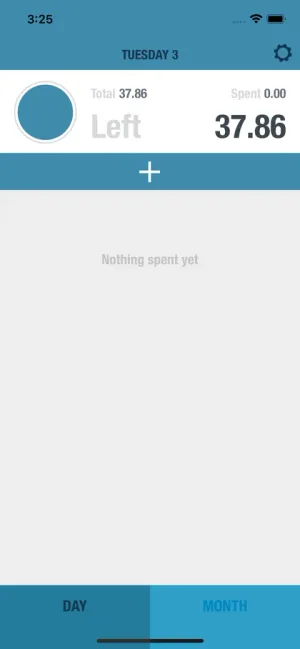
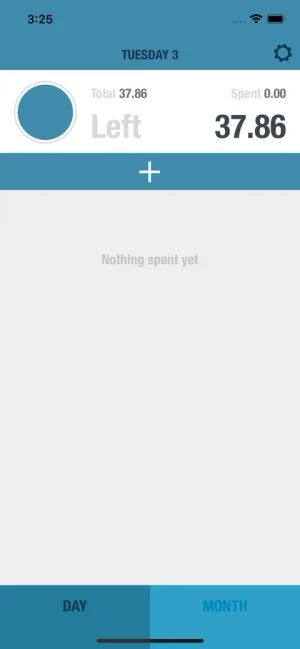
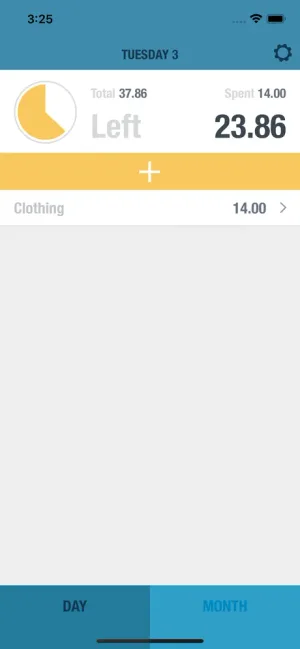
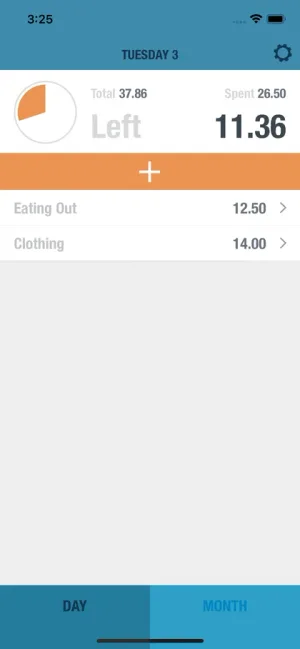
BUDGT is built on the one-number principle: see what you can spend today at a glance. No categories, no complicated setup. Just the clarity you need in seconds.
Frequently Asked Questions
What's the easiest way to track spending for someone who hates budgeting?
The one-number method is simplest: calculate your daily spending allowance (monthly budget divided by days) and track whether you're under or over each day. No categories, no spreadsheets, just one number. If even that feels like too much, try the weekly check method—15 minutes once a week reviewing your bank transactions.
Can I really track my budget without a spreadsheet?
Absolutely. Many people successfully track spending using nothing but their phone's notes app, screenshots of their bank balance, or apps designed around a single daily spending number. Spreadsheets are powerful but unnecessary for basic awareness. Choose the method with the least friction that still provides the information you need.
How do I know if my simple tracking method is working?
Signs it's working: you're doing it consistently (even imperfectly), you feel more aware of spending, you're catching purchases you used to forget about, and you're making at least some better decisions based on what you observe. You don't need perfect data—you need enough awareness to improve behavior.
What if I miss tracking for a few days?
Just start again from today. Don't try to reconstruct every missed transaction from memory. Simple tracking works because it's sustainable, and that means accepting imperfection. A method you use 80% of the time beats a "perfect" system you abandon entirely.
Is manual tracking better than automatic tracking from apps?
Each has advantages. Manual tracking (logging each purchase yourself) creates awareness through the act of recording. Automatic tracking (bank-connected apps) requires less effort but may not create the same mental engagement. For breaking habits, manual often works better initially. For long-term maintenance, automatic can sustain awareness with less effort.
How accurate does my tracking need to be?
For basic budget awareness, being within 10-15% of actual spending is sufficient. You don't need to track every dollar precisely—you need to know if you're generally on track or off track. Estimated and rounded numbers are fine. Perfect accuracy is not required for directional improvement.
Can simple tracking work for irregular income?
Yes, with modifications. Instead of a fixed daily amount, calculate your spending allowance based on income received. Some people track weekly when income is irregular. The key principle remains: one number showing what you can safely spend given what you actually have.
Should I track all spending or just discretionary spending?
Start with discretionary spending (everything except fixed bills like rent, utilities, subscriptions). Fixed expenses are predictable and don't require active tracking unless you're trying to reduce them. Discretionary spending is where awareness creates the most impact.
How long should I try a tracking method before deciding it doesn't work?
Give any method at least 2-3 weeks of genuine effort. The first week is often hardest as you build the habit. By week two, you'll know if the method fits your life. If you're still struggling by week three, try a different approach. Don't keep forcing something that creates friction.
What's the minimum amount of tracking that will actually help?
At minimum, check your bank balance twice weekly and note whether you're surprised by any transactions. This takes less than 5 minutes per week and catches most problems before they compound. Even this basic awareness helps more than ignoring your finances entirely.
Related Articles


Ready to take control of your budget?
Download BUDGT and start tracking your daily spending today.