Back-to-College Budgeting 2026: A Student Money Survival Guide

Heading to campus — whether it’s your first move-in or your final year — comes with a money reality that no orientation session really prepares you for: you’re suddenly managing your own budget, often for the first time, usually on an income that arrives in lumps and has to stretch for months. It’s a lot, and it’s exactly why so many students end September flush and November scraping.
The good news is that student budgeting doesn’t require spreadsheets or a finance degree. It requires one clear number and a few habits — and building them now pays off for the rest of your life, long after the last exam. Here’s a practical 2026 guide to making your money last the whole term.
Why a Student Budget Actually Matters
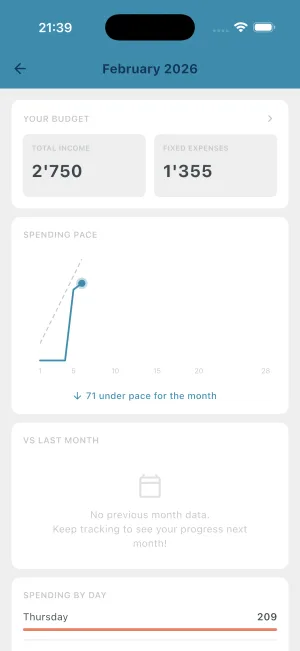
Student income is unusual: it often arrives as a lump sum — a financial-aid refund, a summer of savings, a term’s worth of part-time pay — that has to cover months. That’s the trap. A big balance in September feels like plenty, so it gets spent like plenty, and then reality arrives before the semester does. A budget is simply the tool that spreads that lump sum evenly across the term so it lasts.
There’s a second reason, quieter but bigger: the habits you build now stick. The student who learns to track spending and live inside a number graduates with a skill worth more than most of what’s on the syllabus — while the one who wings it often carries the winging-it straight into their first salary. College is the cheapest time to learn this, because the stakes are still small.
Know Your Income and Your Number
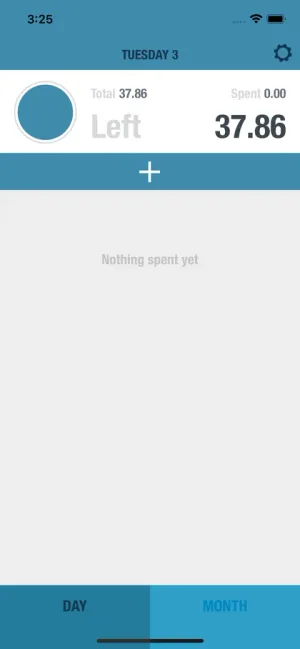
Everything starts with knowing what you’ve actually got to work with for the term, then turning it into a daily figure you can live by.
Add up your term income
Financial aid left after tuition and fees, part-time job pay, family support, and any savings you're drawing on.
Subtract fixed costs
Rent (if off-campus), phone, transport, insurance, and any recurring subscriptions you're keeping.
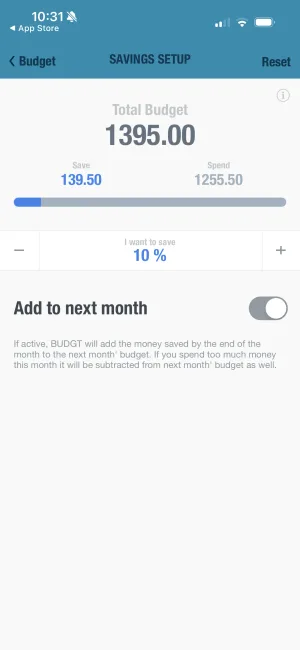
Set aside a small buffer
Even $20 a month for the inevitable surprise — a broken laptop charger, a surprise fee.
Divide what's left by the days in the term
That's your daily spending limit for food, fun, and everything else.
Turning a scary term-long total into “here’s what I can spend today” is the whole game. It replaces the vague anxiety of am I going to run out? with a simple, checkable number.
What College Actually Costs Each Month
Beyond tuition, here’s where student money tends to go month to month. The exact numbers vary enormously by city and whether you live on or off campus, but the categories are consistent:
| Category | Notes |
|---|---|
| Housing / rent | The biggest cost for off-campus students; often bundled for on-campus |
| Food & groceries | Meal plan, groceries, and the sneaky one — takeout and delivery |
| Phone & subscriptions | Streaming, music, apps — easy to over-collect |
| Transport | Transit pass, gas, rideshares, trips home |
| Course materials | Textbooks, software, lab fees — mostly front-loaded each term |
| Fun & social | Nights out, events, coffee — the flexible category that flexes hard |
Notice that some of these are fixed (rent, phone) and some are entirely in your control (food out, fun, subscriptions). When money gets tight, the controllable categories are where you make adjustments — and a daily number shows you exactly how much room you have before you overspend.
The Traps That Drain Student Budgets
Every student budget leaks in the same predictable places. Knowing them in advance is half the defense:
| Trap | The fix |
|---|---|
| Food delivery & eating out | Cook and use your meal plan; treat delivery as an occasional splurge |
| Full-price new textbooks | Rent, buy used, or find PDFs — save 50–80% |
| Subscription creep | Audit monthly; keep the few you use, split others with roommates |
| Impulse & “small” buys | A daily limit makes the running total visible before it adds up |
| Blowing the aid refund early | Spread it across the term like a monthly income |
The theme is that none of these feels big in the moment — a $12 delivery, a $10 subscription, a $15 impulse buy — which is exactly why they’re dangerous. They only reveal themselves at the end of the month, unless you’re watching a daily number that catches them as they happen.
The Move-In and Semester-Start Costs
The start of a term has its own one-time expenses that can blindside a monthly budget: dorm or apartment setup, a semester’s textbooks and supplies, a transit pass, maybe a laptop repair or a winter coat depending on where you’re studying. Because they all land at once, they feel like an emergency even when they’re entirely predictable.
The move here is the same one that works for any irregular expense: see it coming and set money aside before it arrives. If you know move-in will cost a few hundred dollars, carve it out of your summer savings before you start spending on daily life, so the big start-of-term bills don’t eat the money you need for the whole semester. Shopping the back-to-college sales, buying secondhand for dorm basics, and borrowing what you can from family also take real pressure off that first month.
Habits That Outlast Graduation
Here’s the part that matters most, and the part no one tells you at eighteen: the specific dollar amounts you’re managing now are tiny compared to what you’ll manage later — but the habits are identical. The student who learns to check a daily number, spread a lump sum across months, and cook instead of ordering in is quietly rehearsing exactly the skills that make a salary go far after graduation.
So treat this less as “surviving on a small budget” and more as “practicing on an easy one.” Keep it simple: one daily spending number, a quick log of what you spend, and an honest look at where the money goes. Do that for a few terms and it stops being effort and becomes instinct — which is the single best financial head start college can give you, and it’s not even on the transcript.
Earning While You Study
Budgeting is only half the equation — the other half is what’s coming in, and a little student income goes a surprisingly long way. Even a few hours of work a week can be the difference between a term that’s tight and one that’s comfortable, and campus jobs in particular are built around student schedules.
On-campus jobs — library desks, dining halls, lab and department roles, research or teaching assistant positions — are usually the easiest to fit around classes, and managers expect exams to come first. Off-campus part-time work (retail, cafes, tutoring) can pay a bit more but demands firmer boundaries so it doesn’t eat your study time. And flexible side income — freelancing a skill, campus gig work, selling things you no longer need — can fill gaps without a fixed schedule.
Two things make student earnings actually count. First, protect your studies: the whole point of being there is the degree, and a job that tanks your grades is a bad trade. A handful of manageable hours beats a heavy load you resent. Second, give the money a job the moment it lands. Because student income is irregular, it’s tempting to treat a paycheck as instant fun money — but running it through the same daily-number system as the rest of your budget is what turns “I earned some cash” into “my whole term is easier.” Even directing a small slice to a starter emergency fund builds a buffer and a habit at the same time.
The students who finish college in the best financial shape usually aren’t the ones who earned the most — they’re the ones who managed whatever they had, earned or given, with a little intention.
The Bottom Line
Back-to-college budgeting comes down to a few simple moves: know your income for the term, spread it evenly, watch the categories you control, and dodge the predictable traps. Turn your aid and earnings into one daily number and the whole term gets easier to manage — no scrambling in November, no mystery about where the money went.
You’re not just getting through a semester on a budget. You’re learning the one money skill that compounds for the rest of your life — and college is the perfect, low-stakes place to master it.
College is the cheapest time to learn to budget. BUDGT shows your daily spending limit after fixed costs — so your aid lasts the whole term and the habit lasts a lifetime.
Frequently Asked Questions
How do college students make a budget?
Total up your income for the term (job, financial aid after tuition, family support), subtract your fixed costs (rent, phone, transport), set aside anything for savings, and divide what's left by the weeks or days in the term. That gives you a clear spending limit for food, fun, and daily life — far easier to follow than trying to track every category.
How much should a college student budget per month?
It varies hugely by whether you live on or off campus and in what city, but off-campus students often spend $1,200–$2,000+ a month including rent, while on-campus students with a meal plan may only manage a few hundred in discretionary spending. The right number is built from your own income and housing situation, not a national average.
What are the biggest budget traps for students?
The classic ones are food delivery and eating out, unused subscriptions, textbooks bought new at full price, and small impulse buys that add up fast. None feels big alone, but together they quietly drain a student budget. Tracking daily spending is the fastest way to spot and stop them.
How can students save money on textbooks?
Rent instead of buying, buy used, check the library and older editions, look for PDF or open-access versions, and wait until the first class to confirm you actually need each book. Textbooks are one of the biggest one-time student costs and one of the easiest to slash — often by 50–80%.
Should a college student track spending?
Yes — it's the single highest-impact habit. Student income is often lump-sum (aid, a term of pay) that has to last months, which makes it easy to overspend early and scramble later. A daily spending number turns a big, scary term total into a simple 'what can I spend today,' and the habit pays off for the rest of your life.
How do I make financial aid last the whole semester?
Treat a lump-sum aid refund like a monthly income, not a windfall. Divide what's left after fixed costs by the number of months in the term to get a monthly figure, then a daily spending limit. Setting it aside and drawing it down on a schedule prevents the common trap of spending big in September and struggling by November.
Related Articles



Ready to take control of your budget?
Download BUDGT and start tracking your daily spending today.