The Best Expense Tracking Methods for Busy Women

The Best Expense Tracking Methods for Busy Women
You know you should track your expenses. Every financial advice article tells you so. But between work, family, and the thousand other things demanding your attention, who has time to log every coffee and grocery run?
Here’s the truth: expense tracking doesn’t have to be complicated or time-consuming. The best method is the one you’ll actually use—and that looks different for everyone.
This guide breaks down the most effective expense tracking methods, from quick 30-second daily check-ins to detailed category analysis. You’ll find one that fits your life, not the other way around.
Why Expense Tracking Matters (The Real Reason)
Before diving into methods, let’s address the elephant in the room: why bother?
Expense tracking isn’t about judgment or restriction. It’s about awareness. Studies show that simply tracking spending—without any other changes—reduces unnecessary purchases by 15-20%. That’s because tracking creates a pause between impulse and action.
What tracking reveals:
- Where your money actually goes (often surprising)
- Patterns you didn’t know you had
- Opportunities to redirect money toward what matters
- Early warning signs before problems become crises
The goal isn’t perfection. It’s information.
Method 1: The Daily Budget Approach
Best for: People who want simplicity and real-time feedback Time required: 30 seconds per transaction
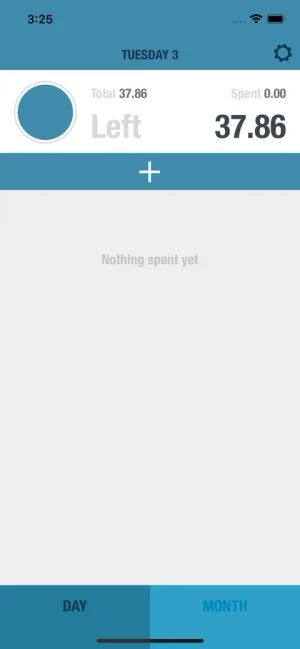
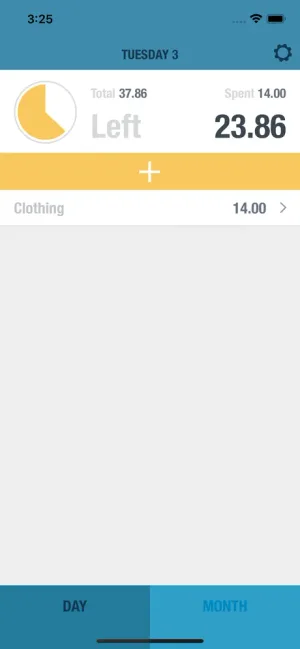
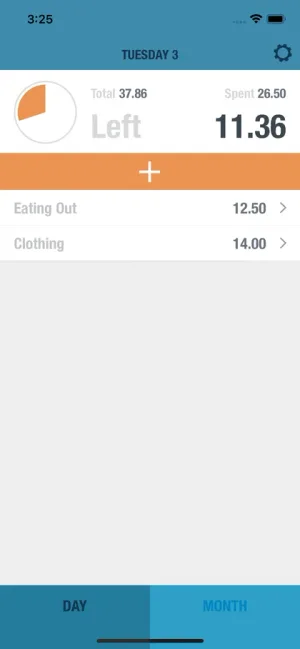
This method focuses on one question: “How much can I spend today?”
How It Works
- Set a daily spending limit based on your monthly budget
- Log each purchase as it happens
- Watch your “safe to spend” number adjust in real-time
- Green/blue means you’re on track; orange/red means slow down
Why It Works for Busy Women
No categories to manage. No spreadsheets to update. Just one number telling you where you stand right now.
The psychology: When you see that you have $47 left for the day, you think twice about the $15 impulse buy. Not because you can’t afford it, but because you can see the trade-off immediately.
Best Practices
- Log purchases immediately (waiting until evening leads to forgotten transactions)
- Include everything, even small purchases
- Don’t stress about perfect accuracy—close enough works
Method 2: Category-Based Tracking
Best for: People who want to understand spending patterns Time required: 5-10 minutes weekly
This method groups expenses into categories (groceries, dining out, transportation, etc.) to show where your money goes.
How It Works
- Define 5-8 spending categories that matter to you
- Assign each purchase to a category
- Review category totals weekly or monthly
- Adjust future spending based on patterns
Common Category Structures
| Simple (5 categories) | Detailed (8 categories) |
|---|---|
| Housing | Housing & Utilities |
| Food | Groceries |
| Transportation | Dining Out |
| Bills | Transportation |
| Everything else | Healthcare |
| Personal Care | |
| Entertainment | |
| Shopping |
Why It Works
Categories reveal patterns that daily totals miss. You might discover you’re spending $400/month on dining out when you thought it was $200. Or that “small” subscriptions add up to $150.
The “No Judgment” Rule
When you discover a category is higher than expected, resist the urge to label it “bad.” Some months, dining out might be higher because you were celebrating a promotion or needed convenience during a stressful period. Categories provide information, not verdicts.
Method 3: The Envelope System (Digital or Physical)
Best for: People who struggle with overspending in specific categories Time required: Setup once, then minimal
This method allocates specific amounts to spending categories at the start of each month—when a category is empty, spending stops.
How It Works
- Identify problem categories (usually dining out, shopping, entertainment)
- Set a monthly limit for each
- Track spending against that limit
- When you hit the limit, you’re done for the month
Digital vs. Physical Envelopes
Physical: Literally put cash in labeled envelopes. When it’s gone, it’s gone.
Digital: Track envelope balances in an app. Same concept, more convenient.
Why It Works
The envelope system creates hard boundaries. There’s no “borrowing from next month” or “I’ll make it up later.” It’s surprisingly freeing—once you’ve spent your dining out budget, the decision is made for you.
Making It Flexible
Strict envelopes can feel restrictive. Some people prefer a “flex fund”—an envelope you can pull from when another runs out, but only consciously.
Method 4: The Weekly Check-In
Best for: People who hate daily tracking but want awareness Time required: 15-20 minutes once per week
This method skips daily logging in favor of a weekly review session.
How It Works
- Pick a consistent day (Sunday evening works for many)
- Review all transactions from the past week (bank/credit card statements)
- Categorize mentally or in a simple tracker
- Note any surprises or patterns
- Set an intention for the coming week
Why It Works
Some people find daily tracking feels like surveillance. The weekly check-in provides awareness without the daily burden. It’s also a good fit for people who batch similar tasks.
What to Look For
- Purchases you forgot about (subscription charges, autopay)
- Emotional spending patterns (more spending on stressful days?)
- Category trends (is dining out creeping up?)
- Upcoming expenses to plan for
Method 5: The Minimalist Approach
Best for: High earners with simple finances, or those who’ve mastered basics Time required: 5 minutes monthly
This is tracking at its most basic: monitor just one or two numbers.
How It Works
Option A: Net Worth Tracking
- Calculate total assets minus total debts once per month
- If it’s going up, you’re doing fine
- If it’s going down, investigate
Option B: Savings Rate Tracking
- Track what percentage of income goes to savings each month
- Target: 20%+ (adjust based on your situation)
- If the rate drops, investigate
Why It Works
If the big number is moving in the right direction, the small stuff usually takes care of itself. This method trusts that you generally make good decisions and only intervenes when the overall trend shifts.
Who This Won’t Work For
This method requires financial stability. If you’re living paycheck to paycheck, struggling with debt, or trying to change long-standing habits, you need more granular tracking—at least temporarily.
Choosing Your Method: A Decision Framework
Still not sure which method fits? Use this guide:
| If You… | Try This Method |
|---|---|
| Time Available | |
| Have less than 1 minute daily | Daily Budget Approach |
| Have 15-20 minutes weekly | Weekly Check-In |
| Want just the basics | Minimalist Approach |
| Biggest Challenge | |
| Overspend in specific areas | Envelope System |
| Don’t know where money goes | Category-Based |
| Make impulse purchases | Daily Budget Approach |
| Personality | |
| Detail-oriented | Category-Based |
| Big-picture thinker | Minimalist Approach |
| Need immediate feedback | Daily Budget Approach |
| Prefer batching tasks | Weekly Check-In |
Making Any Method Stick
Whatever method you choose, these principles apply:
Start Small
Don’t try to track everything perfectly from day one. If you chose category tracking, start with three categories. If you chose daily tracking, commit to just logging purchases—don’t worry about staying under budget yet.
Automate What You Can
- Set up automatic categorization for recurring expenses
- Use apps that pull transactions automatically
- Schedule weekly check-ins on your calendar
Forgive Gaps
Missed a few days of tracking? Don’t spiral. Don’t try to recreate every transaction from memory. Just start fresh from today. Imperfect tracking beats no tracking.
Review and Adjust
After one month, evaluate:
- Did you actually use the method?
- Did it provide useful information?
- Did it fit your life?
If not, try a different approach. There’s no shame in experimenting.

The Hybrid Approach
Many successful trackers combine methods:
- Daily Budget for day-to-day decisions + Monthly Category Review for patterns
- Envelope System for problem categories + Minimalist for everything else
- Weekly Check-In during normal times + Daily Tracking during tight months
You’re not locked into one approach forever. Your method can evolve as your life and finances change.
Common Tracking Mistakes to Avoid
| Mistake | Why It Fails |
|---|---|
| Over-complicating from the start | You don’t need 20 categories and three spreadsheets. Simple systems you use beat complex systems you abandon. |
| Treating tracking as punishment | If tracking feels like monitoring yourself for failures, you’ll quit. Reframe it as gathering information. |
| Waiting for the perfect system | The perfect tracking method doesn’t exist. Pick one that seems reasonable and start today. |
| Tracking without acting | Information without action is just data. Use what you learn to make at least one small change. |
Getting Started Today
Here’s your action plan:
- Choose one method from this guide (the one that made you think “I could do that”)
- Commit to trying it for two weeks (not forever—just two weeks)
- Set up the minimum viable system (app download, spreadsheet creation, or envelope labels)
- Start today (not Monday, not the first of the month—today)
Two weeks is enough to know if a method works for you without over-committing. If it doesn’t click, try another.
The goal isn’t to become a tracking expert. It’s to find a sustainable way to stay aware of where your money goes—so you can direct it where you actually want it to go.
Frequently Asked Questions
What is the best expense tracking method for beginners?
The daily budget approach is ideal for beginners because it focuses on just one number—how much you can spend today. There are no categories to learn or spreadsheets to master. You simply log purchases and watch your balance change. Start with this method for 2-4 weeks, then consider adding category tracking once the habit is established.
How long should I track expenses before seeing results?
Most people notice meaningful patterns within 2-4 weeks of consistent tracking. You'll likely discover at least one spending category that's higher than expected. Real behavior change typically takes 2-3 months of tracking, as you need time to identify patterns, experiment with adjustments, and see those changes reflected in your finances.
Should I track cash purchases differently than card purchases?
Track them the same way—a purchase is a purchase regardless of payment method. Cash spending is often underestimated because it's less visible than card transactions. If you use cash frequently, consider logging those purchases immediately (a quick note on your phone works) since they won't appear on bank statements.
What if I forget to track expenses for several days?
Don't try to recreate every forgotten transaction from memory. Simply start fresh from today. Gaps in tracking are normal, and beating yourself up about them often leads to abandoning tracking entirely. Consistent imperfect tracking provides more value than sporadic perfect tracking.
Is it better to track expenses daily or weekly?
It depends on your personality and goals. Daily tracking provides immediate feedback that helps prevent overspending in the moment. Weekly tracking requires less daily effort but won't catch impulse purchases until after they happen. If you struggle with impulse buying, daily tracking is more effective. If you're already financially stable, weekly may be sufficient.
How many expense categories should I use?
Start with 5-8 categories maximum. Common categories include housing, groceries, dining out, transportation, utilities, healthcare, personal care, and entertainment. Too many categories creates tracking fatigue; too few obscures useful patterns. You can always add categories later if you discover a need.
Should I track expenses if I'm not in debt?
Yes. Expense tracking isn't just for people in financial trouble. Even financially stable individuals benefit from knowing where their money goes. Tracking helps identify opportunities to save more, ensures spending aligns with priorities, and catches "lifestyle creep" before it becomes a problem.
What's the difference between expense tracking and budgeting?
Expense tracking is observing and recording where your money goes. Budgeting is planning where you want your money to go. They work together: tracking provides information, budgeting provides direction. Many people start with tracking alone—simply observing spending often leads to natural improvements without strict budgets.
Can I track expenses without an app?
Absolutely. A simple notebook, basic spreadsheet, or even notes on your phone works fine. The best tracking method is the one you'll actually use. Some people prefer paper because the act of writing reinforces awareness. Others prefer apps for automatic bank connections and calculations.
How do I track shared expenses with a partner?
Options include: joint tracking where both partners log to the same system, individual tracking with a monthly comparison session, or tracking only shared categories (groceries, utilities, dining out) while keeping personal spending separate. The right approach depends on how you manage finances as a couple.
Related Articles



Ready to take control of your budget?
Download BUDGT and start tracking your daily spending today.