The Indian Homemaker's Guide to Monthly Budgeting

This post is crafted for our wonderful users in India—though the wisdom here applies no matter where you call home.
She wakes up before everyone else. She remembers that school needs ₹500 for the picnic by Thursday. She knows exactly how many days the rice will last. She somehow stretches ₹40,000 to cover everything from groceries to gas cylinders to the maid’s salary.
The Indian homemaker is, quite simply, a financial genius who rarely gets credit for it.
If you’re managing a household—whether you’re a stay-at-home parent, someone who handles home finances alongside a job, or supporting an extended family—this guide is for you.
The Typical Indian Household Budget
Every family is different, but here’s a realistic breakdown for a middle-class urban household:
| Category | Percentage | Example (₹50,000 income) |
|---|---|---|
| Groceries & Provisions | 30-40% | ₹15,000-20,000 |
| Rent/Home Loan EMI | 25-35% | ₹12,500-17,500 |
| Utilities | 5-10% | ₹2,500-5,000 |
| Education | 10-20% | ₹5,000-10,000 |
| Transport | 5-10% | ₹2,500-5,000 |
| Savings | 10-20% | ₹5,000-10,000 |
The Monthly Provisions Strategy
Bulk Buying Staples
Monthly purchase of rice, atta, cooking oil, lentils, and pulses. Larger packages cost less per kg.
Local Market vs. Supermarket
- Local market: Fresh vegetables (cheaper, fresher), spices
- Supermarket: Branded goods, specific items
Seasonal Vegetables
Tomatoes in March-April can cost ₹80/kg. In winter, ₹20/kg. Follow the season for savings and better taste.
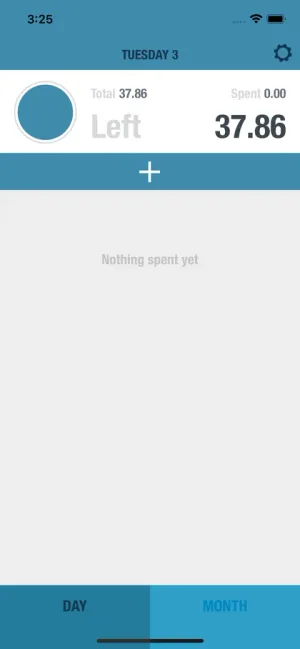
The Kharcha Diary Goes Digital
For generations, Indian homemakers have maintained a “kharcha diary”—a notebook tracking daily expenses.
BUDGT is the digital version of that diary, with superpowers:
- Shows your daily spending limit
- Calculates remaining budget automatically
- Color-codes whether you’re on track
- Tracks month-to-month patterns
The habit is the same—just with better tools.
Hidden Expenses That Add Up
These sneaky costs derail many budgets:
- LPG Cylinder: ₹900-1,000 every 6-8 weeks
- Society Maintenance: Annual or quarterly—divide by months
- School “Extras”: Field trips, craft supplies, celebration contributions
- Medical Incidentals: Doctor visits, basic medicines
The lesson: Add a 10% “miscellaneous” buffer to your budget.
Building Your Emergency Fund
Every household needs a backup. Aim for 3-6 months of expenses.
Starting small: Even ₹500/month becomes ₹6,000/year. That’s one emergency hospital visit covered.
Where to keep it: Savings account or liquid mutual fund (instant access).
You’re Already a Financial Expert
The skills you use daily—comparison shopping, resource allocation, cash flow management—these are the same skills taught in business schools.
BUDGT is just a tool to formalize and visualize what you already do intuitively. One glance tells you what you’ve always calculated in your head: can we afford this today?
Keep stretching those rupees. Your family’s financial security starts with you.
Frequently Asked Questions
How much should a monthly grocery budget be in India?
For a family of 4 in an urban area, groceries typically run ₹12,000-20,000/month depending on dietary preferences and city. This includes provisions, vegetables, fruits, dairy, and household items.
How do I manage household expenses on one income?
First, clearly list all fixed expenses (rent, EMIs, school fees, utilities) and subtract from income. What remains is your variable budget. Use bulk buying for staples, seasonal vegetables, and local markets to maximize value.
What's the best way to track daily kharcha?
Keep it simple and consistent. Whether you use a notebook or BUDGT, log every expense as it happens—don't wait until evening. Categories help: provisions, transport, school, medical, household.
How can I save from the household budget?
Small savings compound. Switch to seasonal vegetables, compare prices between vendors, reduce food waste by planning meals. Even ₹500-1,000/month saved consistently builds an emergency fund.
Should I share the budget details with my spouse?
Transparency generally helps. When both partners understand income and expenses, decisions become collaborative. Consider monthly budget reviews together, even if one person handles daily management.
Related Articles



Ready to take control of your budget?
Download BUDGT and start tracking your daily spending today.