Indonesia Budgeting Guide: Managing Rupiah Day-to-Day
Budgeting in Indonesian Rupiah presents unique challenges. When your monthly salary might be Rp 10,000,000 and a meal costs Rp 35,000, the numbers can feel overwhelming.
But the fundamental principles of budgeting — spend less than you earn, track your expenses, plan for the future — work the same in any currency.
This guide covers practical budgeting strategies specifically for Indonesia, including how to think about Rupiah’s large numbers, typical cost breakdowns, and the unique aspects of Indonesian personal finance.
Understanding Rupiah Numbers
The Mental Math Trick
Instead of thinking about the full number, Indonesians typically use:
| Full Amount | Spoken As | Written As |
|---|---|---|
| Rp 15,000 | ”Lima belas ribu” | 15K or 15rb |
| Rp 150,000 | ”Seratus lima puluh ribu” | 150K or 150rb |
| Rp 1,500,000 | ”Satu setengah juta” | 1.5jt |
| Rp 15,000,000 | ”Lima belas juta” | 15jt |
Practical approach: Think in “ribu” (thousands) for daily expenses and “juta” (millions) for monthly income and bigger purchases.
Cost Reference Points
| Item | Typical Cost | Think Of It As |
|---|---|---|
| Street food meal | Rp 15,000-25,000 | 15-25 ribu |
| Warung/cafe meal | Rp 30,000-60,000 | 30-60 ribu |
| Restaurant meal | Rp 75,000-150,000 | 75-150 ribu |
| Coffee (kopi susu) | Rp 10,000-20,000 | 10-20 ribu |
| Coffee shop drink | Rp 35,000-55,000 | 35-55 ribu |
| Grab/Gojek (short) | Rp 10,000-25,000 | 10-25 ribu |
| Groceries (weekly) | Rp 300,000-600,000 | 300-600 ribu |
Typical Indonesian Budget Breakdown
Jakarta (High Cost)
Monthly Budget - Jakarta (UMR ~Rp 5 million)
Note: Costs vary dramatically — Rp 2.5 million kost is basic; nicer areas cost Rp 4-8 million+.
Smaller Cities (Lower Cost)
Monthly expenses in cities like Yogyakarta, Surabaya, or Malang can be 30-50% lower:
| Category | Jakarta | Smaller City |
|---|---|---|
| Kost/rent | Rp 2.5-5 million | Rp 1-2.5 million |
| Food | Rp 1.5-2.5 million | Rp 1-1.5 million |
| Transport | Rp 500K-1 million | Rp 300-500K |
| Total essentials | Rp 5-8 million | Rp 2.5-4.5 million |
Income Context
| Level | Monthly Income | Notes |
|---|---|---|
| UMR Jakarta (2026) | ~Rp 5.1 million | Minimum wage |
| Entry-level office | Rp 5-8 million | Fresh graduates |
| Mid-career professional | Rp 10-20 million | 5-10 years experience |
| Senior professional | Rp 25-50 million+ | Leadership/specialist roles |
Setting Up Your Budget
Step 1: Calculate Your Baseline
Indonesian Monthly Budget Setup
Net after tax
Enter your numbers above - results update automatically
Step 2: Set Your Daily Budget
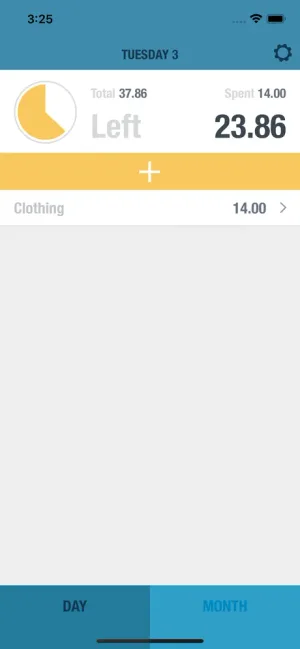
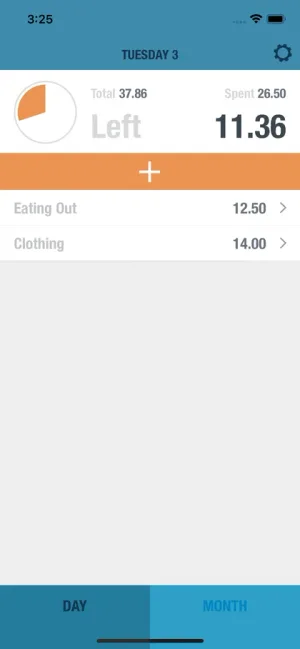
Once you know your monthly available amount, divide by 30 for your daily budget.
Example:
- Monthly income: Rp 8,000,000
- Fixed expenses: Rp 4,500,000
- Savings: Rp 800,000
- Available: Rp 2,700,000
- Daily budget: Rp 90,000/day
This means you have roughly Rp 90,000 each day for food, transport, entertainment, and other variable expenses.
Common Indonesian Budgeting Challenges
1. Cash Economy Tracking
Many transactions in Indonesia are still cash-based, making tracking harder.
Solutions:
- Note cash withdrawals as one expense, then track what you buy
- Use apps that allow manual entry
- Keep a simple daily log
- Round up small cash purchases to simplify
2. Family Financial Obligations
Indonesian culture often includes financial support for family members.
Approach:
- Include family support as a fixed expense (budget for it monthly)
- Set clear boundaries when possible
- Communicate openly about what you can afford
- Don’t let guilt override your own financial security
3. Social Expectations
Arisan, wedding gifts (angpao), religious celebrations, and social events can strain budgets.
Approach:
- Create a “social/gifts” sinking fund
- Contribute Rp 200-500K monthly for these expenses
- It’s okay to sometimes decline expensive events
- Suggest budget-friendly alternatives with friends
4. Fluctuating Prices
Food and fuel prices can change significantly.
Approach:
- Build buffer into your food budget
- Review and adjust budget monthly
- Adapt to price changes rather than stressing about them
Building Financial Security in Indonesia
Emergency Fund
Target: 3-6 months of essential expenses
| Monthly Expenses | 3-Month Fund | 6-Month Fund |
|---|---|---|
| Rp 5 million | Rp 15 million | Rp 30 million |
| Rp 8 million | Rp 24 million | Rp 48 million |
| Rp 12 million | Rp 36 million | Rp 72 million |
Why it matters: Contract work is common in Indonesia, and economic fluctuations can affect job security. An emergency fund provides crucial protection.
Savings Options
| Option | Notes |
|---|---|
| Tabungan (regular savings) | Basic, low interest, but accessible |
| Deposito (time deposit) | Higher interest, locked for set period |
| Reksadana (mutual funds) | Investment option, various risk levels |
| Emas (gold) | Traditional store of value, physical or digital |
Many Indonesians use a combination: emergency fund in tabungan, longer-term savings in deposito or reksadana.
BPJS and Insurance
BPJS Kesehatan: National health insurance — contribution based on salary. Essential for healthcare access.
BPJS Ketenagakerjaan: Employment insurance covering work accidents, death benefits, pension, and job loss.
Private insurance: Consider additional health insurance if BPJS coverage isn’t sufficient for your needs.
Daily Budgeting Tips for Indonesia
Food Strategies
| Strategy | Potential Savings |
|---|---|
| Warung over restaurants | Rp 30-50K per meal |
| Cook at home when possible | Rp 50-100K per day |
| Buy at pasar, not supermarket | 20-40% on produce |
| Meal prep for work | Rp 20-40K per day |
Transport Strategies
| Strategy | Notes |
|---|---|
| Ojol (Gojek/Grab) vs. own vehicle | Calculate total cost including parking, fuel, maintenance |
| KRL/MRT for commuting | Often cheapest in Jakarta |
| Walk short distances | Rp 10-20K saved per short trip |
| Carpool with colleagues | Split fuel costs |
Lifestyle Adjustments
| Area | Budget Version | Savings |
|---|---|---|
| Coffee | Kopi susu at warung | Rp 25K vs coffee shop |
| Entertainment | Free events, streaming at home | Rp 100K+ per outing |
| Fitness | Outdoor exercise vs gym | Rp 300-500K/month |
| Clothing | Thrift stores (thrifting) | 50-80% vs mall |
Your Indonesian Budget Checklist
Setup:
- Calculate monthly income after tax
- List all fixed expenses
- Set savings goal (minimum 10%)
- Calculate daily budget
Monthly:
- Track major expenses
- Review spending vs. budget
- Adjust for next month if needed
- Contribute to emergency fund
Yearly:
- Review insurance coverage
- Check BPJS contributions
- Assess investment options
- Set new savings goals
The Simplest Approach
If the numbers feel overwhelming, start simple:
- Know your monthly income
- Pay fixed expenses and savings first
- Divide what’s left by 30
- Spend roughly that amount each day
Whether your daily budget is Rp 50,000 or Rp 200,000, the principle is the same: know your number, stay aware of your spending, and adjust when needed.
The large Rupiah numbers are just numbers. Focus on the habits: spending less than you earn, tracking what matters, and building slowly toward your goals.
Frequently Asked Questions
How much should I budget per day in Indonesia?
Daily budgets vary significantly by location and lifestyle. In major cities like Jakarta, Rp 200,000-400,000 per day for variable expenses is common for middle-class workers. In smaller cities, Rp 100,000-200,000 may be sufficient. This excludes rent and fixed expenses, which should be budgeted separately.
How do I manage the large numbers in Indonesian Rupiah?
Think in thousands or millions: Rp 50,000 becomes '50 ribu' (50 thousand), Rp 1,500,000 becomes '1.5 juta' (1.5 million). Many apps and spreadsheets can display shortened numbers. Focus on relative costs rather than the exact figure.
What's the 50/30/20 rule in Indonesian Rupiah?
The principle works the same in any currency. If your monthly income is Rp 8,000,000, allocate roughly Rp 4,000,000 (50%) to needs, Rp 2,400,000 (30%) to wants, and Rp 1,600,000 (20%) to savings. Adjust percentages based on cost of living in your specific city.
How much emergency fund should I have in Indonesia?
Aim for 3-6 months of essential expenses. In Jakarta, where monthly expenses might be Rp 6-10 million, target Rp 18-60 million in your emergency fund. This provides crucial security given Indonesia's economic fluctuations and the prevalence of contract work.
What are common budgeting challenges in Indonesia?
Common challenges include: managing the informal economy (cash transactions harder to track), fluctuating prices for food and fuel, social expectations around gift-giving and family support, and the large numbers in Rupiah making mental math difficult.
What apps work for budgeting in Indonesia?
Options include: local apps that support Rupiah and Indonesian banks, international apps with IDR currency support, or simple spreadsheets. Choose one that handles large numbers well, connects to Indonesian banks if needed, and fits your tracking style.
Related Articles


Ready to take control of your budget?
Download BUDGT and start tracking your daily spending today.