Saving Money Tips That Actually Work in 2026

Let’s be honest: saving money advice hasn’t kept up with reality. Tips like “skip the lattes” and “pack your lunch” have been recycled for decades while the actual cost of living has changed dramatically.
This guide focuses on saving strategies that work in today’s economy—where groceries cost more, subscriptions multiply, and financial pressure comes from all directions. No extreme deprivation required. Just smart, sustainable adjustments that create real results.
The Modern Savings Landscape
Before diving into tips, let’s acknowledge what’s changed:
- Groceries: Up 25%+ since 2020
- Housing: Rents hitting record highs in most markets
- Subscriptions: The average household has 8+ recurring charges
- Shrinkflation: Same prices, smaller packages
- Convenience fees: Delivery, service charges, “processing fees”
Old advice assumed stable prices and simple finances. The strategies below account for current reality.
High-Impact Savings (Start Here)
These moves deliver the biggest returns for your effort.
1. Audit Your Subscriptions Ruthlessly
The average American spends $273/month on subscriptions—and underestimates their spending by 2.5x. That’s over $3,000 annually that often provides minimal value.
The Subscription Audit Process:
- Pull the last 3 months of bank/credit card statements
- Highlight every recurring charge
- For each one, ask: “Did I actively use this in the last 30 days?”
- Cancel anything with a “no” answer
- Set a calendar reminder to re-audit quarterly
Common subscription culprits:
- Streaming services you forgot about
- Apps with free trials that converted to paid
- Gym memberships used once a month
- Premium tiers when basic would suffice
- Duplicate services (multiple music streaming, multiple cloud storage)
Potential savings: $50-200/month
2. Negotiate Your Fixed Bills
Many recurring bills are negotiable—but only if you ask. Companies have retention departments specifically authorized to offer discounts.
Bills worth negotiating:
- Car insurance (shop annually, use quotes as leverage)
- Home/renters insurance
- Internet/cable (threaten to cancel)
- Cell phone (mention competitor offers)
- Credit card interest rates
- Medical bills (ask for cash pay discounts, payment plans)
The negotiation script: “I’ve been a customer for [X years] and I’m looking to reduce expenses. I’m considering [competitor] because of their pricing. Is there anything you can do to match that or improve my rate?”
Potential savings: $100-500/month depending on bills
3. Optimize Grocery Spending (Beyond Coupons)
Groceries are non-negotiable, but how you shop matters enormously.
Strategic shopping:
- Shop your pantry first: Before buying, use what you have
- Plan meals around sales: Check ads before making your list
- Generic/store brands: Same quality, 20-40% cheaper on most items
- Buy seasonal produce: In-season items cost less and taste better
- Strategic bulk buying: Only for non-perishables you’ll actually use
- Different stores for different items: Aldi for basics, regular store for specifics
The “per unit” habit: Always check price per ounce/unit, not package price. The larger size isn’t always cheaper.
Potential savings: $100-300/month for families
Medium-Impact Savings
These require more consistent effort but deliver steady results.
4. Embrace the 24-Hour Rule
For any non-essential purchase over $50, wait 24 hours before buying. This simple pause eliminates a surprising amount of impulse spending.
How it works:
- See something you want? Add it to a list instead of your cart
- Wait 24 hours
- If you still want it (and can afford it), buy it
- Most items won’t seem as necessary after the pause
Why it works: The urge to buy is often emotional, not rational. Time allows the emotion to fade while the practical voice gets louder.
5. Use the “One In, One Out” Rule
Before buying something new, identify something to let go. Want a new shirt? Donate or sell one first.
Benefits:
- Naturally reduces consumption
- Keeps clutter in check
- Forces you to evaluate if you really need the new item
- Can generate income if you sell the outgoing item
6. Batch Your Errands
Multiple short trips waste gas and increase impulse spending opportunities. Plan one or two errand days per week instead.
The batching strategy:
- Group errands by location
- Make a list before leaving
- Avoid stores that aren’t on your list
- Fill up gas at the end (when you know total distance driven)
Bonus: Less time running errands means more time for things that matter.
7. Reduce Energy Costs
Small changes in energy usage compound over months.
Quick wins:
- Adjust thermostat 2-3 degrees (programmable/smart thermostats help)
- Unplug devices not in use (or use smart power strips)
- Switch to LED bulbs as old ones burn out
- Wash clothes in cold water
- Air dry when possible
- Use natural light during the day
Potential savings: $20-50/month
Low-Effort, Long-Term Savings
Set these up once and benefit automatically.
8. Automate Your Savings
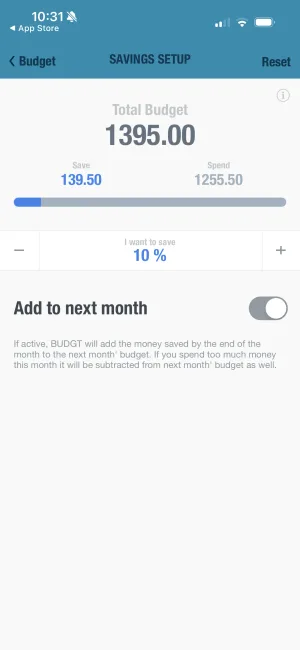
“Pay yourself first” works because it removes willpower from the equation.
How to automate:
- Set up automatic transfer on payday
- Start with whatever you can (even $25/week adds up)
- Increase by 1% every few months
- Use a separate savings account (harder to access = less temptation)
The “raise redirect”: When you get a raise, automatically increase savings by half the raise amount. You’ll still feel the increase while building wealth.
9. Use Cashback Strategically
If you’re already buying something, you might as well get something back.
Cashback options:
- Credit cards with category bonuses (pay in full to avoid interest negating rewards)
- Shopping portal extensions (Rakuten, Honey)
- Store apps for places you regularly shop
- Ibotta/Fetch for groceries
Warning: Don’t let rewards justify unnecessary purchases. 3% back on $100 you didn’t need to spend is still $97 gone.
10. Set Up Price Drop Alerts
For items you need but aren’t urgent, let technology find deals.
Tools that help:
- CamelCamelCamel for Amazon price history
- Honey for automatic coupon codes
- Store apps for price-matching
- Slickdeals for community-found deals
The Anti-Deprivation Approach
Sustainable saving isn’t about cutting everything. It’s about cutting what doesn’t matter to fund what does.
The “Joy Audit”
Look at your spending from the last three months. For each category, rate your joy level from 1-10:
- High joy (8-10): Keep this spending—it brings real value
- Medium joy (5-7): Reduce by 25-50%—find cheaper alternatives
- Low joy (1-4): Eliminate or minimize—this is dead weight
Example:
- Coffee out: Joy level 9 → Keep it
- Subscriptions: Joy level 3 → Cancel most
- Dining out: Joy level 6 → Reduce frequency, keep quality
This approach preserves what makes life enjoyable while cutting waste.
The Substitution Strategy
Instead of elimination, find cheaper alternatives:
| Instead of | Try |
|---|---|
| $15 movie ticket | Library DVDs, free streaming options |
| $60 gym membership | YouTube workouts, outdoor exercise |
| $50 dinner out | Cooking the same dish at home |
| $6 coffee shop | Great coffee at home, coffee shop once a week |
| $100 concert tickets | Local free concerts, live music at bars |
| New books | Library, used bookstores, book swaps |
Mindset Shifts That Make Saving Easier
Think in Hours Worked
Before a purchase, calculate how many hours of work it costs. A $200 impulse buy at a $25/hour wage represents 8 hours of your life. Is it worth it?
Track Progress Visually
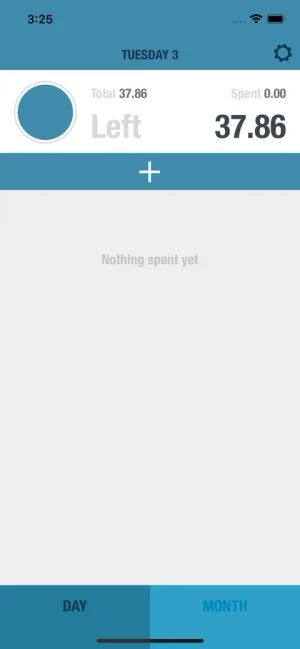
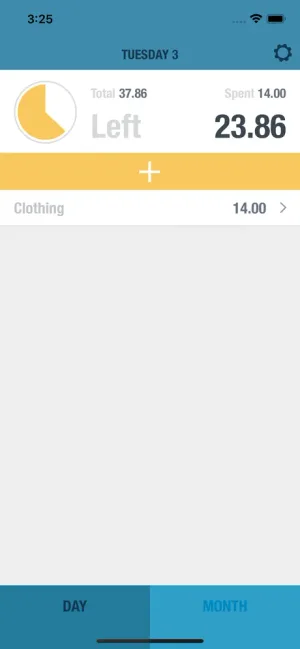
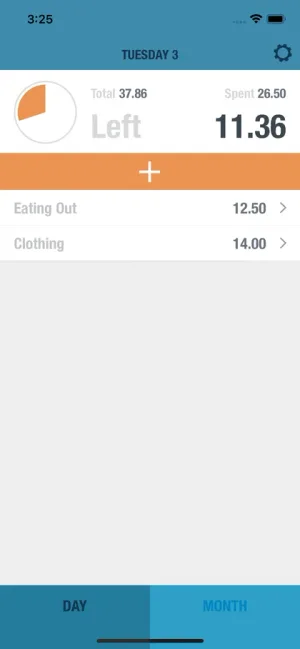
Watching savings grow is motivating. Use a simple spreadsheet chart, a savings app with visual progress, or even a physical tracker (coloring in a thermometer).
Celebrate Milestones
Hit your first $500 saved? Celebrate (cheaply). Paid off a credit card? Acknowledge it. Small celebrations reinforce the behavior that got you there.
Focus on the Goal, Not the Sacrifice
“I can’t buy that” feels restrictive. “I’m choosing to save for [goal]” feels empowering. Same action, different framing, vastly different sustainability.
Building Your Saving System
Here’s a practical 4-week framework for implementing these tips:
Week 1: Audit Phase
Complete subscription audit, review last 3 months of spending, identify top 3 areas of waste.
Week 2: Automation Phase
Set up automatic savings transfer, cancel unnecessary subscriptions, install cashback/deal tools.
Week 3: Negotiation Phase
Call 2-3 companies to negotiate bills, shop insurance quotes, apply for any available discounts.
Week 4: Habit Phase
Start 24-hour rule for non-essentials, begin meal planning, track daily spending to build awareness.
What to Do With Your Savings
Saving money only matters if it goes somewhere useful:
Priority 1: Emergency fund (3-6 months of expenses) Priority 2: High-interest debt payoff Priority 3: Retirement accounts (especially if employer matches) Priority 4: Other financial goals (house, education, travel)
Don’t let saved money sit in checking—it’ll get spent. Move it immediately to a dedicated account with a specific purpose.
The Long Game
Small savings compound. $200/month saved and invested at 7% average returns becomes:
- After 5 years: $14,000
- After 10 years: $34,000
- After 20 years: $100,000+
You’re not just saving money. You’re building options—the option to weather emergencies, change careers, retire earlier, or simply stress less about finances.
Start with one tip from this guide. Just one. Master it, then add another. Sustainable saving is a marathon, not a sprint.
Download BUDGT today and see exactly how your daily savings add up.
Frequently Asked Questions
How much should I be saving each month?
A common guideline is saving 20% of income, but any consistent amount is valuable. If 20% feels impossible, start with 5-10% and increase gradually. The most important factor is consistency—$100 saved every month for years beats $500 saved once then forgotten. Adjust your savings rate based on your situation, prioritizing emergency fund and high-interest debt payoff first.
What's the fastest way to save money right now?
The fastest impact comes from cutting recurring expenses: cancel unused subscriptions (average savings $50-200/month immediately), negotiate bills (potential $100+ savings with one phone call), and switch to generic brands for groceries (20-40% savings). These changes take hours to implement but save money every single month going forward.
Is it better to save money or pay off debt?
Generally, prioritize high-interest debt (credit cards at 15%+) before aggressive saving, since interest costs likely exceed investment returns. However, build a small emergency fund ($500-1,000) first to prevent new debt when unexpected expenses hit. Once high-interest debt is cleared, balance saving and paying off lower-interest debt based on your goals.
How do I save money when I'm living paycheck to paycheck?
Start by tracking every expense for one month to identify even small leaks. Focus on the subscription audit and bill negotiation—these don't require lifestyle changes. Look for "painless" savings like generic brands, cashback apps, and free alternatives to paid services. Even $20-50/month savings creates momentum.
What's the best high-yield savings account for 2026?
Look for online banks offering 4%+ APY with no minimum balance requirements and no monthly fees. Rates change frequently, so compare options quarterly. Popular choices include Ally, Marcus, and Discover. The difference between a 0.01% traditional savings account and a 4%+ high-yield account on $10,000 is nearly $400/year in interest.
How do I stop impulse buying?
Implement the 24-hour rule for any non-essential purchase over $50. Unsubscribe from retail marketing emails, delete shopping apps from your phone, and avoid stores when you're emotional (bored, stressed, or celebrating). Replace the shopping habit with a free activity that satisfies the same urge—browsing without buying, window shopping, or curating wishlists you never actually purchase from.
Should I use a budgeting app to help save money?
Apps can help by automating tracking and providing visual progress, but they're tools, not magic solutions. The best app is one you'll actually use consistently. Simple apps that show daily spending limits often work better than complex tools with features you'll never touch. The habit matters more than the technology.
How can I save money on groceries without coupons?
Shop sales and build meals around discounted items. Buy store brands (same quality, lower price). Shop at discount grocers like Aldi for basics. Purchase seasonal produce. Check unit prices, not package prices. Reduce food waste by planning meals and using what you have before buying more. These strategies often save more than traditional couponing.
What expenses should I cut first when trying to save?
Start with unused subscriptions (streaming, apps, memberships you forgot about). Then negotiate fixed bills (insurance, internet, phone). Next, reduce convenience spending (delivery fees, premium shipping, prepared foods). Finally, look at discretionary categories where you get low enjoyment relative to cost. Never cut expenses that prevent larger costs (preventive healthcare, quality food, reliable transportation).
How do I stay motivated to save money long-term?
Connect saving to specific goals you care about (emergency fund, vacation, house down payment). Track progress visually—watching numbers grow is motivating. Celebrate milestones without overspending. Build automation so savings happen without willpower. Remember that saving creates options and reduces stress, which compounds quality of life alongside the financial returns.
Related Articles



Ready to take control of your budget?
Download BUDGT and start tracking your daily spending today.