How to Talk to Your Partner About Money (Without Fighting)

Money is the number one source of stress in relationships. It causes more fights than household chores, parenting, and in-laws — combined.
But money conflicts aren’t really about money. They’re about values, security, control, and communication.
This guide will help you have productive money conversations with your partner — conversations that build trust and alignment instead of resentment and tension.
Why Money Conversations Are So Hard
Before diving into tactics, understand why this is difficult:
| Hidden Factor | How It Shows Up |
|---|---|
| Childhood money experiences | ”We never talked about money” or “Money was always stressful” |
| Different values | Security vs. enjoyment, saving vs. spending |
| Power dynamics | Who earns more, who controls decisions |
| Shame and judgment | Fear of being criticized for past choices |
| Different definitions | ”Expensive” means different things to different people |
These factors make money conversations feel personal — because they are. Recognizing this helps you approach talks with more compassion.
Starting the Conversation
The First Money Talk
If you’ve never really talked about money with your partner, here’s how to start:
1. Choose the right time
- Not during a crisis or right after a purchase
- When you’re both relaxed
- With enough time to talk without rushing
2. Start with your story
“I want to share how I think about money — where that comes from and what matters to me. Then I’d love to hear about yours.”
Share:
- How your family handled money growing up
- Your current relationship with money (fears, goals, values)
- What financial security means to you
3. Listen to understand, not to respond
When they share, resist the urge to compare, judge, or immediately problem-solve. Just learn.
4. Look for common ground
You probably share more values than you realize — security, taking care of family, enjoying life. Different spending habits often serve the same underlying values.
The Monthly Money Date
The best way to prevent money fights is making financial conversations routine — not just triggered by problems.
What Is a Money Date?
A scheduled monthly meeting (30-60 minutes) where you:
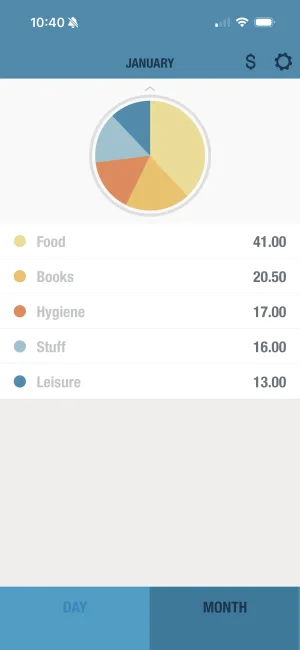
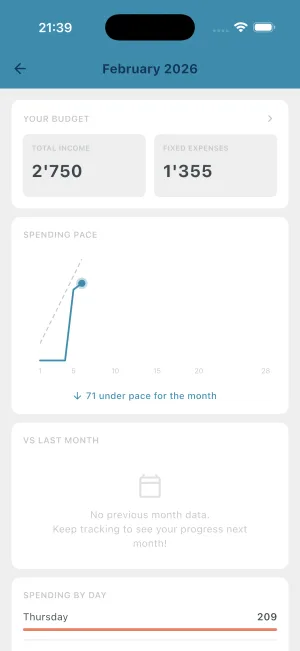
- Review the past month’s spending
- Check progress on shared goals
- Discuss upcoming expenses
- Raise any financial concerns
- Make decisions together
Money Date Structure
Opening (5 minutes): Start positive. “What went well financially this month?”
Review (10-15 minutes): Look at spending together. Where did money go? Any surprises?
Goals check (10 minutes): How are you tracking on savings, debt payoff, or other goals?
Look ahead (10 minutes): Upcoming expenses? Decisions to make? Concerns to address?
Close (5 minutes): One thing you appreciate about your partner financially. Schedule the next date.
Money Date Rules
| Do | Don’t |
|---|---|
| Approach as teammates | Attack or blame |
| Listen fully before responding | Interrupt or dismiss |
| Focus on facts | Make it personal |
| Seek solutions together | Insist on being right |
| Take breaks if heated | Push through when upset |
If things get tense, pause: “Let’s take a 15-minute break and come back to this.”
Handling Different Money Styles
Most couples have different financial personalities:
The Saver + Spender Dynamic
Saver perspective: “Why can’t they just stop wasting money?” Spender perspective: “Why are they so uptight about every purchase?”
The bridge:
- Create “fun money” for each person — personal spending that doesn’t require approval
- Set shared savings goals that the spender can see progress toward
- Let the saver feel secure with a funded emergency fund
- Find shared experiences (not just things) to enjoy together
The Planner + Spontaneous Dynamic
Planner perspective: “I need to know the financial plan.” Spontaneous perspective: “Not everything needs to be planned.”
The bridge:
- Build flexibility into the budget (a “spontaneous fund”)
- Agree on a spending threshold that requires discussion
- Regular check-ins reduce the planner’s anxiety
- Some planned spontaneity (budget for occasional impulse purchases)
The Avoider + Engager Dynamic
Engager perspective: “Why won’t they just look at our finances?” Avoider perspective: “Thinking about money stresses me out.”
The bridge:
- Keep money meetings short and structured
- Start with wins, not problems
- Engager handles details, shares summaries
- Gradual involvement — don’t force full participation immediately
Having Difficult Conversations
Bringing Up a Concern
Instead of: “You spent $300 on clothes again.” Try: “I noticed our clothing spending was $300 this month. Can we talk about how that fits our budget?”
Instead of: “We can’t afford that.” Try: “I want to figure out how we can afford that. Can we look at the numbers together?”
Instead of: “You never stick to the budget.” Try: “I feel anxious when we go over budget. What’s making it hard to stay on track?”
When Your Partner Has Debt
If your partner reveals debt:
- Thank them for telling you (honesty takes courage)
- Ask questions to understand the full picture
- Avoid shame or excessive analysis of past choices
- Focus on the path forward together
- Decide together how to handle it
If you discover hidden debt:
- The trust violation is separate from the financial problem
- Address both, but separately
- Seek couples counseling if the trust breach is significant
When You Disagree on a Purchase
The conversation framework:
- Understand the want: “Help me understand why this matters to you.”
- Share your concern: “Here’s what worries me about this.”
- Explore options: “What if we…” (save for it, delay it, find a cheaper alternative)
- Decide together: Neither person should be overruled consistently
Building Shared Financial Systems
Account Structures
Option 1: Fully Combined All income goes to joint accounts, all expenses paid from joint accounts.
- Pro: Total transparency, simplicity
- Con: Less autonomy, every purchase visible
Option 2: Fully Separate Each person has their own accounts, split shared bills.
- Pro: Autonomy, independence
- Con: Less financial teamwork, complicated logistics
Option 3: Hybrid (Most Common) Joint account for shared expenses, separate accounts for personal spending.
- Pro: Balance of teamwork and autonomy
- Con: Requires agreement on what’s “shared”
There’s no right answer — discuss what works for both of you.
Decision-Making Rules
Agree on spending thresholds:
- Under $50: No discussion needed
- $50-200: Mention it to your partner
- $200+: Discuss before purchasing
Adjust numbers to fit your budget. The specific amounts matter less than the agreement.
Goal Setting Together
Shared goals create shared purpose:
- Each person writes down their top 3 financial priorities
- Share and discuss
- Find overlaps and compromises
- Set 1-3 shared goals you’re both excited about
- Create a plan to reach them together
When You Need Help
Consider a financial therapist or counselor if:
- Money conversations always turn into fights
- One partner is financially controlling
- There’s hidden debt or financial infidelity
- You can’t agree on basic financial priorities
- Money stress is affecting your relationship health
Financial therapy specifically addresses the emotional aspects of money — it’s not just budgeting help.
Your Conversation Starter Kit
For your first talk:
- “I want to understand how you think about money. Can we share our money stories?”
- “What does financial security look like to you?”
- “What’s one thing about our finances you’d like to be different?”
For regular check-ins:
- “How do you feel about our finances this month?”
- “Anything coming up we should plan for?”
- “What’s one thing we did well financially this month?”
When there’s tension:
- “I’m feeling anxious about money. Can we talk?”
- “I want to understand your perspective better.”
- “What do you need from me in these conversations?”
The Goal: Financial Intimacy
The goal isn’t to agree on everything. It’s to build financial intimacy — the ability to talk openly about money without fear of judgment, make decisions together, and support each other’s relationship with money.
Couples who achieve this report:
- Less financial stress
- Stronger overall relationships
- Better progress toward goals
- More trust and teamwork
The conversations might be uncomfortable at first. But like any relationship skill, they get easier with practice.
Start with one conversation. See how it goes. Then schedule the next.
Frequently Asked Questions
Why is it so hard to talk about money with your partner?
Money carries emotional weight — it's tied to security, control, values, and often childhood experiences. Many people were taught not to discuss money openly. Add different spending styles and financial backgrounds, and you have a recipe for difficult conversations.
How do I bring up money with my partner for the first time?
Choose a calm, neutral time (not during a financial crisis or right after a purchase). Start with your own money story: 'I want to share how I think about money...' Then ask about theirs. Approach it as getting to know each other better, not as a negotiation or confrontation.
How often should couples talk about money?
Monthly 'money dates' work well for most couples — a scheduled time to review finances together. Between these, brief weekly check-ins help catch issues early. The key is making it routine so money talks aren't always triggered by problems.
What if my partner is a spender and I'm a saver?
Different money styles are normal and manageable. The key is understanding each other's perspective without judgment, setting shared goals you both care about, and creating systems that give each person some autonomy (like 'fun money' that doesn't require approval).
Should couples combine finances or keep them separate?
There's no single right answer — it depends on your situation and preferences. Common approaches include: fully combined (joint accounts for everything), fully separate (split bills, individual accounts), or hybrid (joint account for shared expenses, separate accounts for personal spending). Discuss what feels right for both of you.
How do I tell my partner about debt I've been hiding?
Choose a calm time, be direct and honest, share the full picture at once (don't trickle-truth), take responsibility without excessive self-blame, and come with at least the start of a plan. Your partner may feel hurt or betrayed — give them space to process. Focus on rebuilding trust through transparency.
Related Articles



Ready to take control of your budget?
Download BUDGT and start tracking your daily spending today.